 Garden
Affiliate Disclosure
Some links on this page are affiliate links. As an Amazon Associate, we earn from qualifying purchases — at no extra cost to you. We do not buy, test, or physically handle the products we cover; our rankings come from aggregated owner reviews, ratings and expert consensus. Commissions never change our verdicts. How we rank · full disclosure.
The short version: the best paint for a front door is Modern Masters Front Door Paint — a water-based exterior enamel built for the one surface in your house that gets full sun, driving rain and a hundred hand-touches a day, with a pigment package chosen for color retention rather than for looking good in the can. On a steel or storm door, buy a rust-inhibiting oil enamel like Rust-Oleum Stops Rust instead, because on metal the failure is rust creeping out of a chip, not fading. And on a bare or knotty wood door, prime with Zinsser B-I-N first or the tannin will bleed brown through your color.
A front door is a small job with high stakes. It is the most looked-at 20 square feet of the house, it takes more weather per square foot than any wall, and it is the one painted surface people actually touch every day. That combination is why door-specific paints exist and why regular exterior wall paint disappoints on a door. For the step-by-step, see how to paint a front door, and the paint and walls hub covers the rest of the house.
Top Picks at a Glance
Our #1 Pick: Modern Masters Front Door Paint
Most exterior paint is formulated for siding: large, mostly vertical, rarely touched, repainted every eight to twelve years. A front door is a different problem. It faces one direction, so if that direction is south or west it takes brutal, concentrated UV all afternoon. It swings, so it flexes and slams. It has a handle, a knocker and a mail slot, so it gets touched constantly and cleaned occasionally. And it is usually painted a deep, saturated color — navy, forest, black, oxblood, a strong teal — which is precisely the class of color that chalks and fades fastest.
Modern Masters built this line around that last problem. The pigments are selected for color retention rather than cost, which is the honest reason a quart costs what a gallon of ordinary paint does. Owners consistently report that the deep colors stay deep through several summers, and that the paint self-levels well enough that brush marks disappear as it dries — a real advantage on a door, where every panel and rail edge is at eye level.
It is water-based, so cleanup is soap and water and the odor is manageable while the door stands open — and an open door is the easiest way to follow EPA advice to provide maximum ventilation during painting. The satin sheen is the right compromise for a door: enough to shed rain and wipe clean, not so much that a slightly wavy old panel door turns into a funhouse mirror. A quart covers a standard door with enough left over for touch-ups.
Consensus Score █████████░ 8.7 — built from aggregated verified owner ratings, weighted for review volume.
The honest weaknesses: the price per quart is high next to a general-purpose enamel, the color range is a curated set rather than any color you can imagine, and like every water-based product it needs real cure time before the door can close against weatherstripping. It also does not inhibit rust, so it is the wrong first coat on bare steel.
Check price on Amazon → (paid link)
The Ranked Field

Best for a rich, fade-resistant color on a wood or fiberglass front door
- Water-based exterior enamel
- Fade-resistant pigment package
- Satin sheen, self-leveling
- One quart covers a typical door
Why buy it: it is formulated specifically for the one surface in a house that takes full sun, driving rain and a hundred hand-touches a day, and the pigments are chosen to hold their color rather than chalk out by year three.
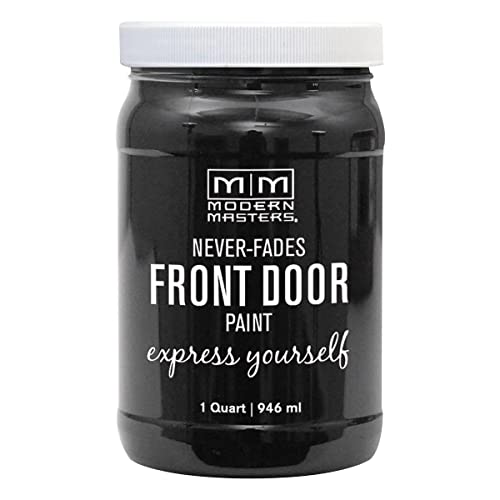
Best for a deep, saturated statement color that stays saturated
- Deep saturated exterior color
- Same fade-resistant chemistry
- Levels out brush marks
- Interior or exterior doors
Why buy it: deep colors are the ones that normally fade fastest in direct sun, so a door paint engineered for color retention is worth more on a bold shade than on a pale one.

Best for a clean white or light door without paying boutique prices
- Interior and exterior rated
- Semi-gloss, wipes clean
- Sticks to wood, metal and more
- Fast dry, chip and fade resistant
Why buy it: a quart of a genuinely durable multi-surface enamel for the price of a takeout dinner covers a door and its jamb with paint left over for touch-ups.
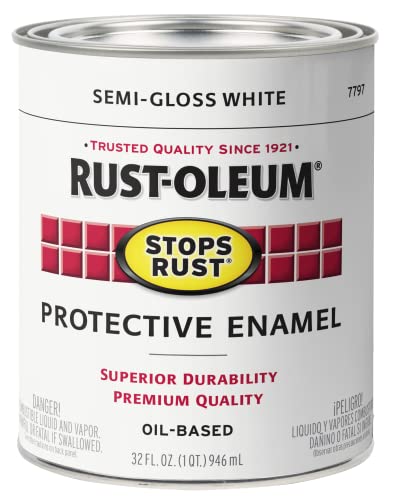
Best for steel entry doors, storm doors and any door showing rust
- Oil-based rust-inhibiting formula
- Bonds directly to lightly rusted metal
- Hard, chip-resistant film
- Semi-gloss exterior finish
Why buy it: on a steel door the enemy is not fading but rust creeping out from a chip, and a rust-inhibiting oil enamel stops that in a way an acrylic simply cannot.
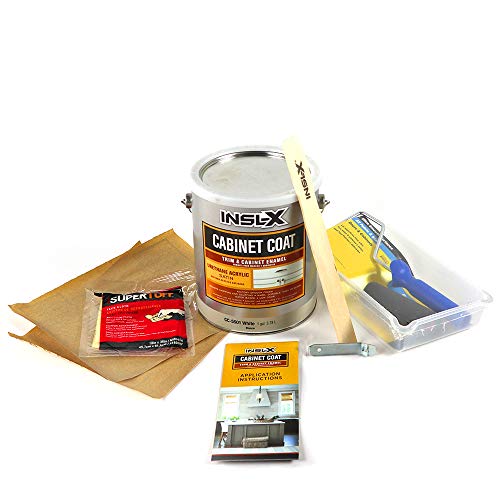
Best for a rock-hard, block-resistant finish on a door that gets used constantly
- Urethane-acrylic hybrid, very hard cure
- Bonds to glossy surfaces without a primer
- Excellent flow and leveling
- Satin sheen
Why buy it: urethane-modified acrylics cure far harder than ordinary latex, which is what stops a freshly painted door sticking to its weatherstripping on the first hot night.

Best for sealing knots, tannin bleed and old finishes before painting
- Shellac base seals tannin and knots
- Adheres to glossy old finishes
- Recoat in about 45 minutes
- Blocks water, smoke and marker stains
Why buy it: on a wood door, tannin from knots and old stain will bleed brown through a light topcoat within weeks unless something shellac-based seals it first.
Quick Comparison
| Product | Best for | Rating | Price | Buy |
|---|---|---|---|---|
| Modern Masters 275264 Front Door Paint, Quart, Satin Sophisticated | Best Overall Front Door Paint | — | Check (paid link) | |
| Modern Masters 275266 Elegant Front Door Paint, Water-Based Exterior Enamel, 1 Quart | Best Bold Color | — | Check (paid link) | |
| Rust-Oleum Painter’s Touch Latex Brush-On Paint, Semi-Gloss White, Quart | Best Value | — | Check (paid link) | |
| Rust-Oleum 7797502 Stops Rust Brush On Paint, Quart, Semi-Gloss White | Best for Metal Doors | — | Check (paid link) | |
| INSL-X Cabinet Coat Urethane Acrylic Satin Sheen Enamel Paint, 1 Gallon Kit, White | Best Hard Enamel | — | Check (paid link) | |
| Zinsser 00904 B-I-N Pigmented Shellac Oil Primer-Sealer & Stain Killer, White, 1 Quart | Best Primer for a Door | — | Check (paid link) |
How We Rank
We do not buy, test or physically handle these products. For front door paint we weight UV and color retention, film hardness and block resistance against weatherstripping, adhesion to the substrate the door is actually made of, leveling on a surface viewed at eye level, and price per door. Rankings come from the aggregated owner-review record — ratings weighted by review volume, plus the complaints that recur across many reviews. Prices were current at the time of writing. Full method on how we rank.
The Front Door Paints, Reviewed
1. Modern Masters Front Door Paint, Satin Sophisticated — Best Overall
Covered above. What owners praise: color that holds up through summers, self-leveling that hides brush marks, and a satin sheen that looks right on a door. What owners complain about: the price per quart, a limited color range and the long cure before the door can be closed against a seal. The default choice for a wood or fiberglass door.
2. Modern Masters Elegant Front Door Paint — Best Bold Color
The same chemistry in the deeper, more saturated end of the range, which is where the fade-resistance investment actually pays off. Deep blues, greens and reds are made from pigments that ordinary exterior paint lines cheapen; a door in a cut-price deep color often looks a shade duller by its second August. What owners praise: the depth of the color and that it stays deep, plus good coverage over a primed door. What owners complain about: dark colors on a south-facing door still get very hot, which slows recoating and worsens blocking risk, and they need two coats minimum. Prime in a gray tone under deep colors for best hide.
3. Rust-Oleum Painter’s Touch Latex Brush-On, Semi-Gloss White — Best Value
Not a door-specific product, but an honestly durable multi-surface enamel at a fraction of the price, and for a white or pale door that is a reasonable trade. Rated for interior and exterior, it sticks to wood, metal and most previously painted surfaces, dries fast, and gives a semi-gloss film that wipes clean. Pale colors also have far less to lose to UV, which is exactly why the value argument works better on white than on navy. What owners praise: the price, the fast dry and that it covers well for a quart. What owners complain about: it is thinner-bodied than a purpose-built door enamel so it takes two coats and shows brush marks if you overwork it, and the film is less hard than a urethane hybrid. Excellent value on a light-colored door.
4. Rust-Oleum Stops Rust Brush On, Semi-Gloss White — Best for Metal Doors
Steel entry doors and aluminum storm doors fail differently from wood. The paint does not fade off, it gets chipped at the edge or the kick plate, water finds the bare metal, and rust spreads underneath the film until it lifts in a blister. Stops Rust is an oil-based rust-inhibiting enamel that bonds directly to lightly rusted metal after wire-brushing, and cures to a genuinely hard, chip-resistant film. What owners praise: that it stops existing rust from spreading and holds up on exterior metal for years. What owners complain about: the solvent smell is strong, it needs mineral spirits for cleanup, and it dries slower than water-based paint — expect to leave the door open longer. The right answer on any metal door.
5. INSL-X Cabinet Coat Urethane Acrylic Enamel — Best Hard Enamel
Sold for cabinets, but doors have exactly the same requirements: a hard, block-resistant film on a surface that closes against another surface and gets handled constantly. The urethane-modified acrylic chemistry cures far harder than ordinary latex, which is precisely what stops a fresh door sticking to its weatherstrip. It also bonds to glossy and previously varnished surfaces without a separate primer, which is a genuine time saver on an old varnished wood door. What owners praise: the hardness of the cured film, the flow and leveling, and the adhesion to difficult surfaces. What owners complain about: the gallon kit is far more paint than one door needs, and it is not formulated for prolonged UV exposure the way a dedicated exterior door paint is. Best on a sheltered door or a door under a deep porch.
6. Zinsser B-I-N Shellac Primer-Sealer — Best Primer for a Door
Wood doors bleed. Knots in pine, tannin in oak, cedar and redwood, and whatever was on the door before all migrate up through a light topcoat and appear as brown or yellow patches, usually a few weeks after you finish and think you are done. Shellac is the sealer that stops it, and B-I-N recoats in about 45 minutes so priming a door is a lunchtime job rather than a day. It also grips old glossy varnish without sanding to bare wood. What owners praise: that it genuinely stops tannin and knot bleed, and the fast recoat. What owners complain about: the alcohol smell, denatured-alcohol cleanup, and that it destroys a brush if it dries in one. Use a cheap brush you intend to throw away.
What Owners Actually Complain About
Front door paint jobs fail in a small number of very predictable ways, and reading owner reviews across every product on this list turns up the same list.
“The door stuck to the weatherstripping.” This is the number one front door complaint, across all brands, and it is a cure-time problem. Paint that is dry to the touch is not cured, and a soft film pressed against a rubber seal all night will bond to it and tear when you open the door in the morning. Leave the door open at least 24 hours; if you cannot, tape wax paper or plastic across the seal contact points.
“It faded within two summers.” Almost always a deep color in a general-purpose exterior paint on a south- or west-facing door. UV concentrated on one flat vertical plane for six hours a day is a harsher test than any wall gets. This is the specific problem door-specific paints are formulated to solve.
“Brown stains bled through my white door.” Tannin or knot bleed on wood, and no number of topcoats fixes it because the topcoat is what it is bleeding into. A shellac primer is the only reliable stop.
“It blistered and peeled.” Usually paint applied in direct hot sun, which skins the surface before the underneath can release its solvent, or paint applied over a damp or dirty door. Paint the door when it is in shade — early morning on a west-facing door, afternoon on an east-facing one — and wash it with a degreaser first. Hands leave oils exactly where the paint most needs to grip.
“The brush marks show.” Doors are viewed at eye level from three feet away, so they show what a wall would hide. The fixes are a good angled sash brush for the panels and profiles, a small foam roller for the flat rails and stiles, not overworking paint that has begun to set, and two thin coats rather than one heavy one.
How to Choose Front Door Paint
Start with what the door is made of. Wood needs a sealer for knots and tannin and a flexible topcoat that can live with seasonal movement. Steel needs rust inhibition at any bare spot. Fiberglass needs a paint with good adhesion to a slick molded surface, and a light scuff sand. Painting all three the same way is the most common mistake. On an original door in an older house, sand carefully: the EPA notes that lead dust forms when lead-based paint is scraped, sanded or heated, and paid work disturbing it in a pre-1978 home falls under the EPA Renovation, Repair and Painting Rule.
Then think about which way it faces. A north-facing door under a porch is an easy life; a west-facing door with no overhang gets full afternoon sun in summer and is the hardest test in residential painting. The harsher the exposure, the more the specialist door paint is worth.
Choose the sheen for the door’s condition. Satin on an older door with a bit of history; semi-gloss on a smooth, sound door where you want maximum washability. Anything glossier magnifies every dent.
Buy a quart, not a gallon. A standard 36 by 80 inch door is about 20 square feet per side. Two coats on both sides plus the edges is comfortably inside a quart for most paints. Buying a gallon means storing three quarters of it for a color you will probably change in five years.
Plan the day around the weather. You want a dry day, above roughly 50°F, with overnight temperatures staying above that too, and no rain forecast for 24 hours. Paint the door in shade. Take the hardware off rather than taping around it — it takes ten minutes and it is the difference between a professional-looking door and an obviously DIY one. Our guides to painting trim and choosing painter’s tape cover masking the glass and jamb.
The Verdict
For a wood or fiberglass front door in a color you care about, Modern Masters Front Door Paint is the pick, and its Elegant deep shades are where the fade-resistance really earns its price. On a steel or storm door, buy Rust-Oleum Stops Rust and deal with rust properly at the outset. If the door is white and the budget is tight, Rust-Oleum Painter’s Touch is honest value. Whatever you choose, seal wood with Zinsser B-I-N first, paint in shade, and leave the door open overnight. Check price on Amazon → (paid link)