 Garden

Affiliate Disclosure
Some links on this page are affiliate links. As an Amazon Associate, we earn from qualifying purchases — at no extra cost to you. We do not buy, test, or physically handle the products we cover; our rankings come from aggregated owner reviews, ratings and expert consensus. Commissions never change our verdicts. How we rank · full disclosure.
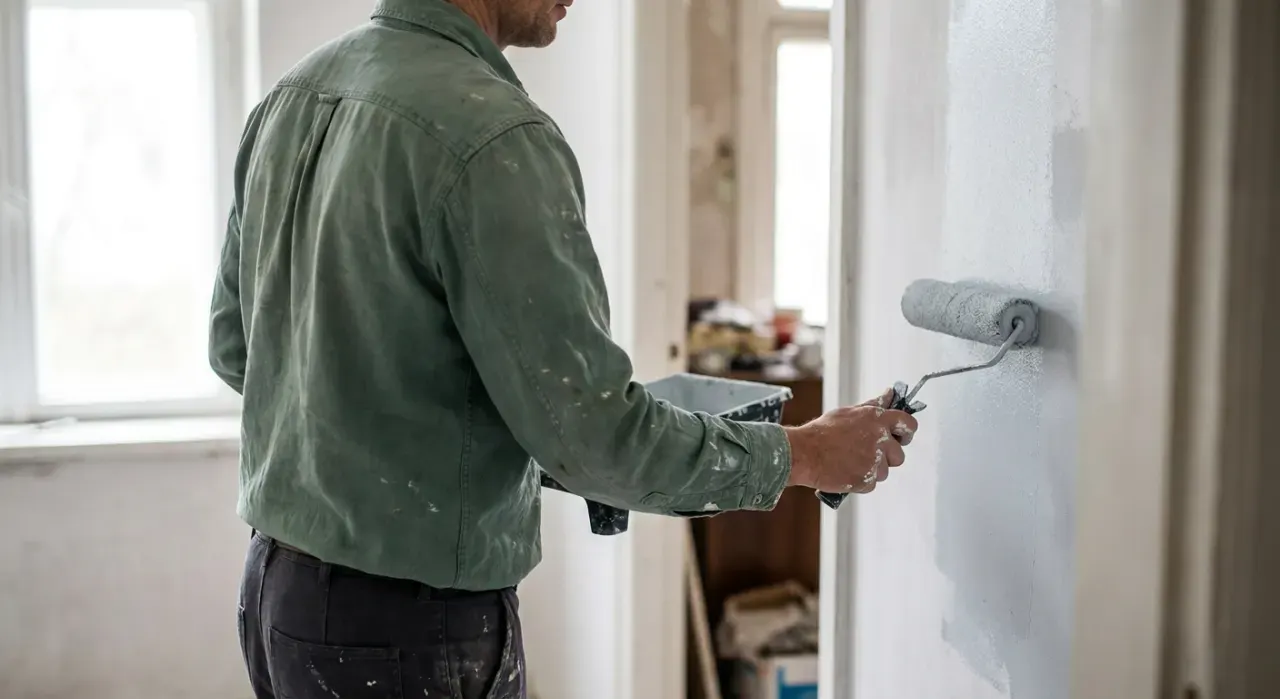
A foam roller lays the thinnest, smoothest coat and is the choice for doors, cabinets, and gloss trim where any texture would show; a microfiber roller holds much more paint, covers faster, and leaves a fine, even finish on walls and ceilings. Choose foam when a glass-smooth surface on a small, highly visible piece matters. Choose microfiber for efficient, even coverage across large areas. Foam trades speed for smoothness and microfiber trades a hair of texture for coverage, so many painters keep both and switch by surface.
How the two rollers differ
The difference is in what the cover is made of and how much paint it moves. A foam roller is a dense sponge that releases a very thin, uniform film and self-levels well, so it minimizes stipple but holds little paint. A microfiber roller has thousands of fine synthetic fibers that soak up and release a lot of paint, giving fast, even coverage with only a slight fine texture. In short, foam prioritizes smoothness and microfiber prioritizes loading and speed.

Foam vs microfiber roller at a glance
| Foam | Microfiber | |
|---|---|---|
| Finish smoothness | Smoothest, near spray | Fine, slight texture |
| Paint capacity | Low | High |
| Coverage speed | Slow | Fast |
| Best surface | Doors, cabinets, trim, gloss | Walls, ceilings, large areas |
| Texture handling | Smooth only | Light-to-medium texture |
| Typical price | ~$3–7 | ~$5–12 |
Which is better for your job?
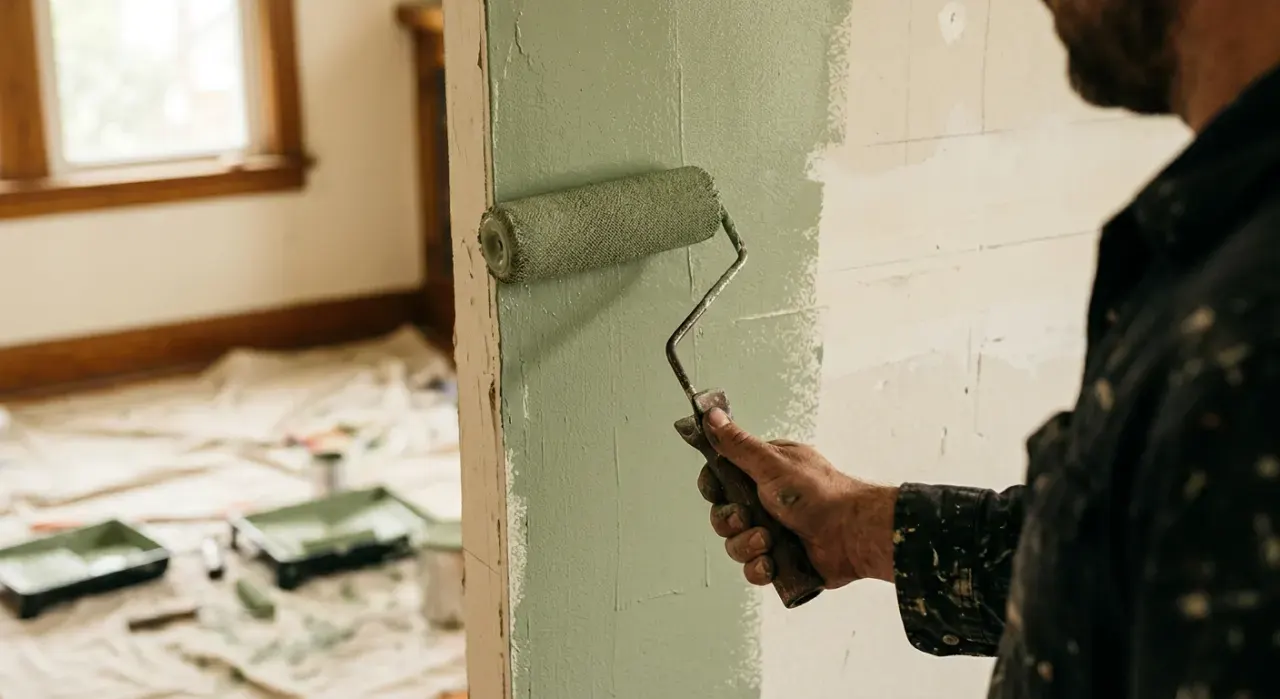
For interior doors, cabinet boxes and doors, shelving, and any semi-gloss or gloss trim, use a high-density foam roller to get the smoothest possible film. For walls, ceilings, and other broad surfaces, use microfiber, which covers a room in far fewer dips and leaves an even finish. If a wall has real texture, step up to a thicker-nap microfiber or woven cover so paint reaches the low spots. Matching roller to surface matters more than brand loyalty.
Does the paint type change the answer?
Somewhat. Foam pairs best with thin, self-leveling paints and finishes, enamel, gloss, and clear coats, where its smooth film shows off. Thick flat wall paint can bubble or drag on foam, so microfiber or a woven nap handles it better. Microfiber works across most latex wall and ceiling paints. If you're rolling a glossy enamel on cabinets, foam; if you're rolling flat or eggshell across walls, microfiber.

Which should you buy?
Buy microfiber as your main roller for walls and ceilings, then keep a couple of small high-density foam rollers for doors, cabinets, and trim. That pairing covers almost every interior job: microfiber does the fast, even bulk of the work, and foam delivers the smooth finish on the pieces where texture would be obvious.
Where to go next
Ready to buy? Our picks for the best paint rollers rank current covers on the ratings and complaints owners report. Weighing a sprayer for cabinets instead? See paint sprayer vs roller for cabinets and airless vs HVLP sprayers. Everything sits under the paint and walls hub.
We never buy or physically test the products we rank — our recommendations come from aggregated owner reviews and expert consensus, and the method is on how we rank.