 Garden

Affiliate Disclosure
Some links on this page are affiliate links. As an Amazon Associate, we earn from qualifying purchases — at no extra cost to you. We do not buy, test, or physically handle the products we cover; our rankings come from aggregated owner reviews, ratings and expert consensus. Commissions never change our verdicts. How we rank · full disclosure.
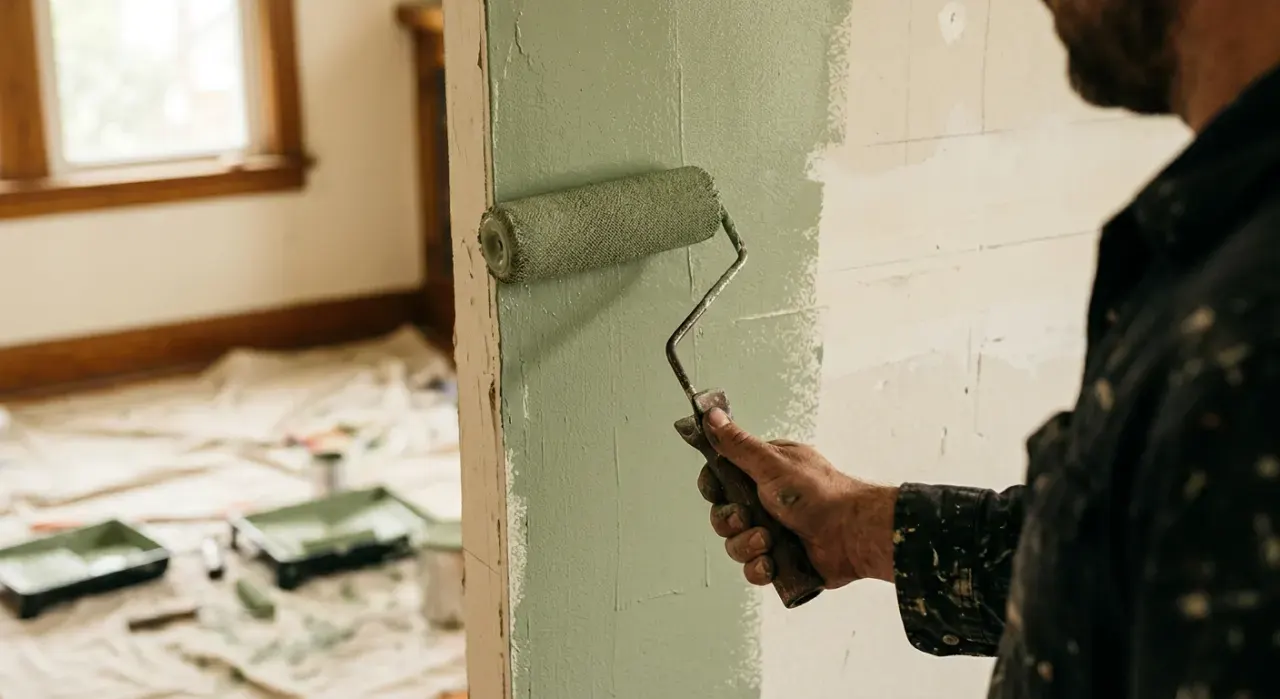
Water-based latex paint can be recoated after 2 to 4 hours; oil-based paint needs a full 24 hours. Those are the label's typical figures for normal conditions, and they matter more than they seem: recoating too soon drags the roller through the soft first coat and ruins the finish. "Dry to the touch" is not the same as "ready to recoat" — the surface skins over long before the coat is firm enough for another. Cool, humid or poorly ventilated rooms stretch every wait, so always confirm the coat is dry and follow the specific time on the can.
What are the typical recoat times?
The number depends mostly on the paint's base. These are standard recoat windows in normal conditions — around 70°F and moderate humidity.
| Paint type | Dry to touch | Recoat after | Full cure |
|---|---|---|---|
| Latex / acrylic (water-based) | 30–60 min | 2–4 hours | 2–4 weeks |
| Oil-based / alkyd enamel | 6–8 hours | 24 hours | ~7 days+ |
| Primer (water-based) | 30 min | 1–4 hours | — |
| Chalk / mineral paint | ~30 min | 1–2 hours | varies |
The can's stated recoat time always wins over a general rule, because it accounts for that product's exact formulation. When conditions are less than ideal, treat the label figure as a minimum and add time.
Why does rushing the second coat go wrong?
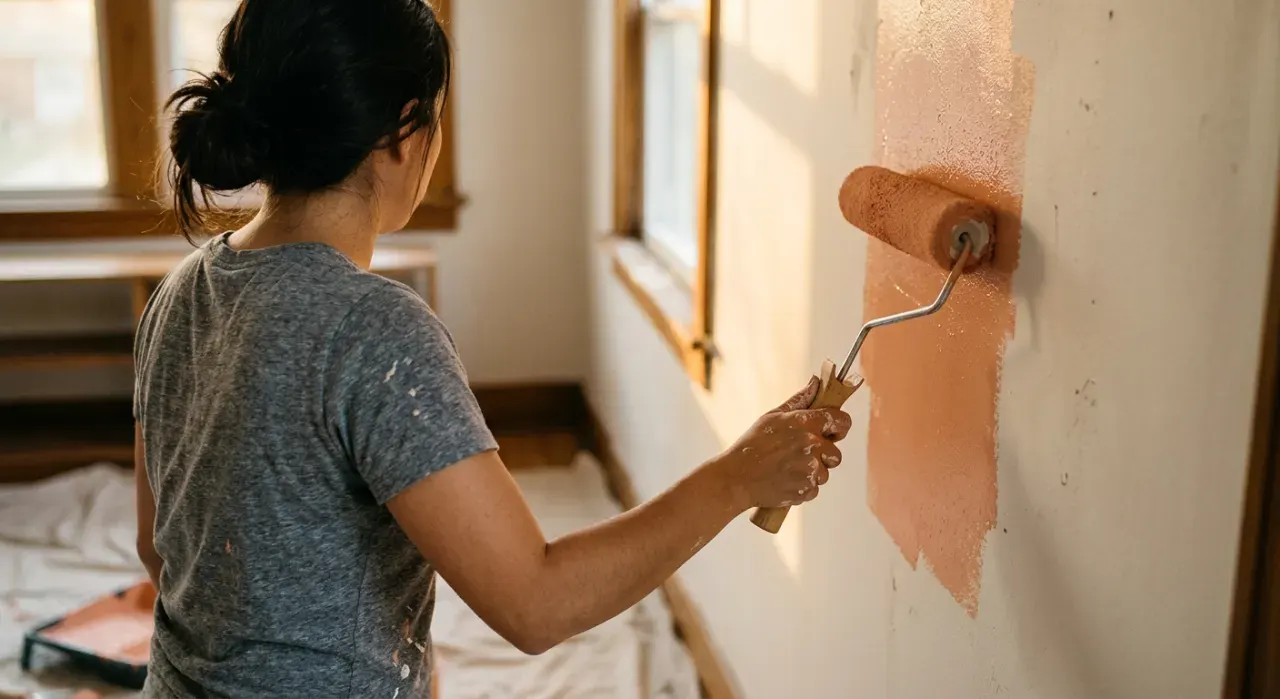
Because a partly-dried coat is still soft underneath. Roll a second coat over it too soon and the wet roller grips and drags the first layer, leaving streaks, lap marks, uneven sheen, or bare spots where the first coat lifts clean off. Worse, sealing a still-wet layer under a second coat traps solvent and moisture, which slows the whole cure and can leave a soft finish that scuffs easily or cracks later. The visible symptom is the roller dragging or the color smearing — if you see either, stop and give it more time. The whole point of waiting is that each coat must be firm enough to anchor the next.
How do temperature and humidity change the wait?
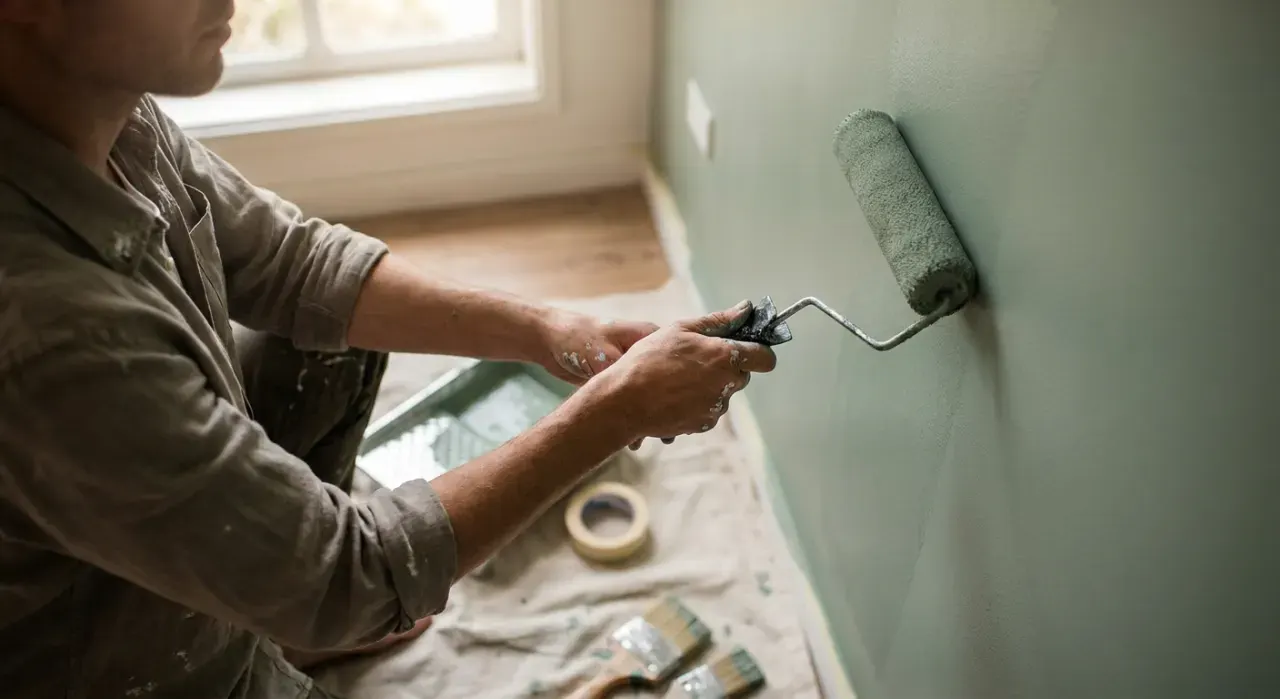
They can double it. Water-based paint dries as its water evaporates, and both cold air and humid air slow that evaporation — cold because everything happens slower, humid because the air is already near-saturated and accepts less moisture. Poor airflow compounds both by leaving a damp layer sitting over the paint. So a coat that recoats in 2 hours at 75°F in a ventilated room might need 4 or more in a cold, closed, muggy one. The controllable levers are temperature (aim for 60 to 80°F), humidity (moderate), and ventilation (open a window, run a fan). Painting too cold causes its own adhesion problems — see how cold is too cold to paint indoors.
When is the paint fully cured?
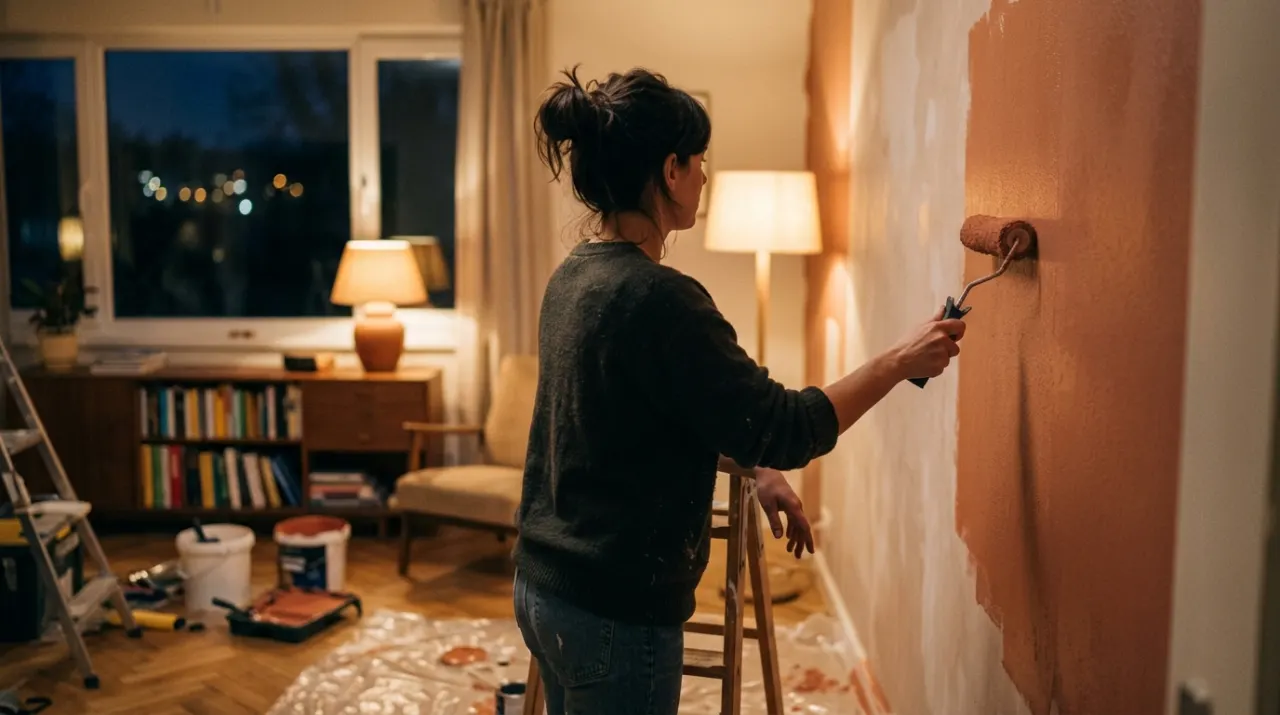
Long after it looks done. Recoat time gets you to a second coat; full cure — the point where the paint reaches its final hardness and washability — takes about two to four weeks for latex and around a week for oil. During that window the film is still hardening, so treat a freshly painted wall gently: no scrubbing, no leaning furniture against it, no taping over it, and go easy hanging pictures. Light everyday contact is fine after a day or two, but wait a couple of weeks before washing the wall or expecting it to shrug off knocks. Planning your coats — usually two — into the day means budgeting the recoat wait between them, which ties into how much paint to buy in coverage per gallon. The right roller lays each coat evenly and speeds the whole job — see best paint rollers.
We never buy, test or physically handle the products we rank. Recommendations come from aggregated owner reviews, star ratings, review volume and expert consensus — see how we rank.
More from this hub: Paint & Walls · Best interior paint · Coverage per gallon · Too cold to paint · How we rank