 Garden


Affiliate Disclosure
Some links on this page are affiliate links. As an Amazon Associate, we earn from qualifying purchases — at no extra cost to you. We do not buy, test, or physically handle the products we cover; our rankings come from aggregated owner reviews, ratings and expert consensus. Commissions never change our verdicts. How we rank · full disclosure.
Eggshell and satin are both mid-range paint sheens, and the difference is how shiny and how durable each is: satin has more sheen, so it is more scrubbable and moisture-resistant, while eggshell is flatter, so it hides wall imperfections better. Eggshell suits low-traffic living spaces — bedrooms, living rooms, hallways — where a soft finish flattering to the wall matters most. Satin suits kitchens, bathrooms, kids' rooms and trim, where cleaning and moisture resistance win. The core trade-off: eggshell hides flaws, satin resists dirt.
What does sheen actually mean?
Sheen is how much light a dried paint film reflects, and it runs on a scale from dead-flat matte to mirror-like high-gloss. Eggshell and satin sit next to each other in the low-to-mid part of that scale — eggshell just above flat, satin a step glossier. The physical reason the two behave differently comes down to the ratio of binder to pigment: higher-sheen paints have more binder, which forms a tighter, harder, less porous film. That tighter film is what makes satin more washable and moisture-resistant, and also what makes it reflect more light and reveal more flaws.
| Sheen | Reflectivity | Hides flaws | Washability |
|---|---|---|---|
| Flat / matte | Lowest | Best | Poor |
| Eggshell | Low, soft glow | Very good | Fair |
| Satin | Medium, gentle shine | Fair | Good |
| Semi-gloss | High | Poor | Excellent |
| Gloss | Highest | Worst | Best |
Note that manufacturers do not share one exact standard, so one brand's satin can look close to another brand's eggshell. Compare sheens within a single brand, and when in doubt paint a test patch and view it in the room's real light.

Which rooms should get which?
Match the sheen to how the room gets used, not to a rule. The question is whether cleaning and moisture matter more than hiding imperfections.
- Eggshell — bedrooms, living rooms, dining rooms, home offices, ceilings-adjacent hallways: low-traffic spaces where a soft finish and forgiving surface matter.
- Satin — kitchens, bathrooms, laundry rooms, kids' rooms, mudrooms, hallways that get touched: moisture and cleaning areas.
- Semi-gloss — trim, doors, baseboards, and very wet bathroom walls: maximum durability and wipeability.
A common, clean-looking scheme is eggshell or satin walls with semi-gloss trim, which lets the trim read crisply against the walls. For genuinely wet bathrooms, a dedicated mildew-resistant bath paint outperforms any standard sheen — see why paint peels, since moisture is the usual culprit behind failures there.
How much does prep matter for each?
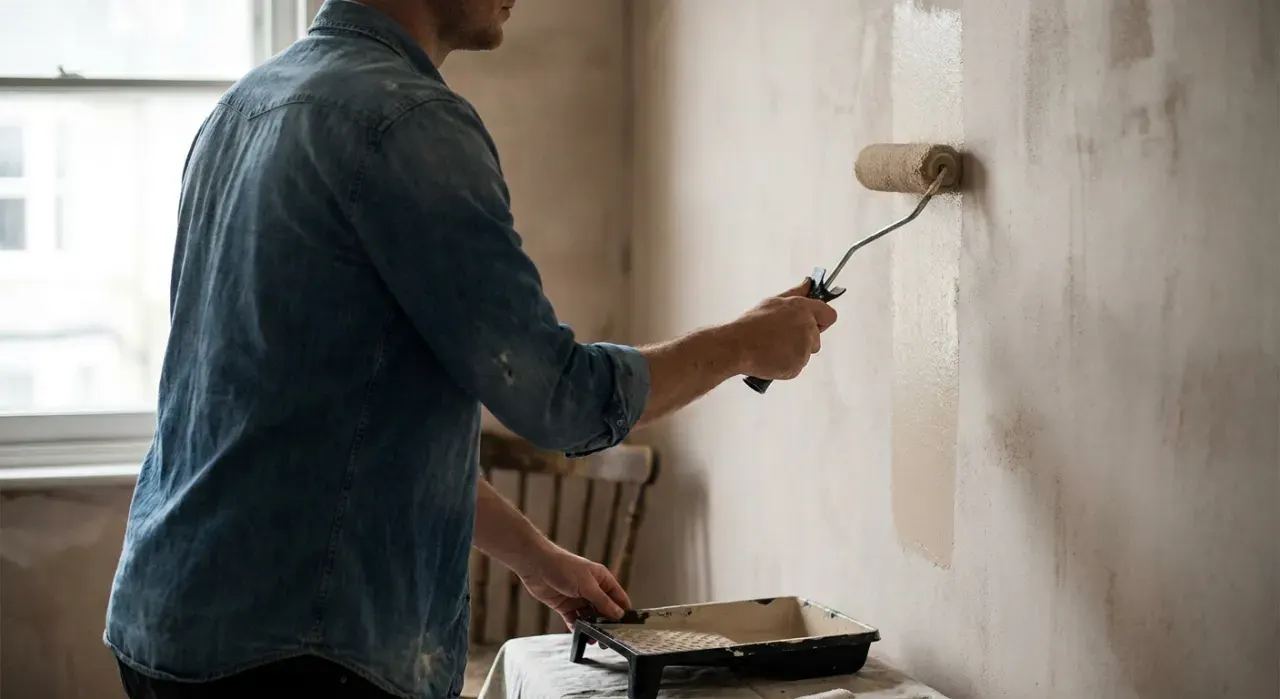
More for satin, less for eggshell — and this is often the deciding factor on an older wall. Because satin reflects more light, it shows every dent, patch, roller lap and uneven stretch, so it demands smooth, well-sanded walls and even application to look its best. Eggshell's softer finish forgives minor imperfections, which is exactly why it is the safe choice for walls that are not perfectly smooth. If your walls have some age and character you would rather not advertise, eggshell hides it; if they are smooth and you want durability, satin rewards the prep. The right roller nap helps either lay down evenly — see best paint rollers.
How do I choose between them?
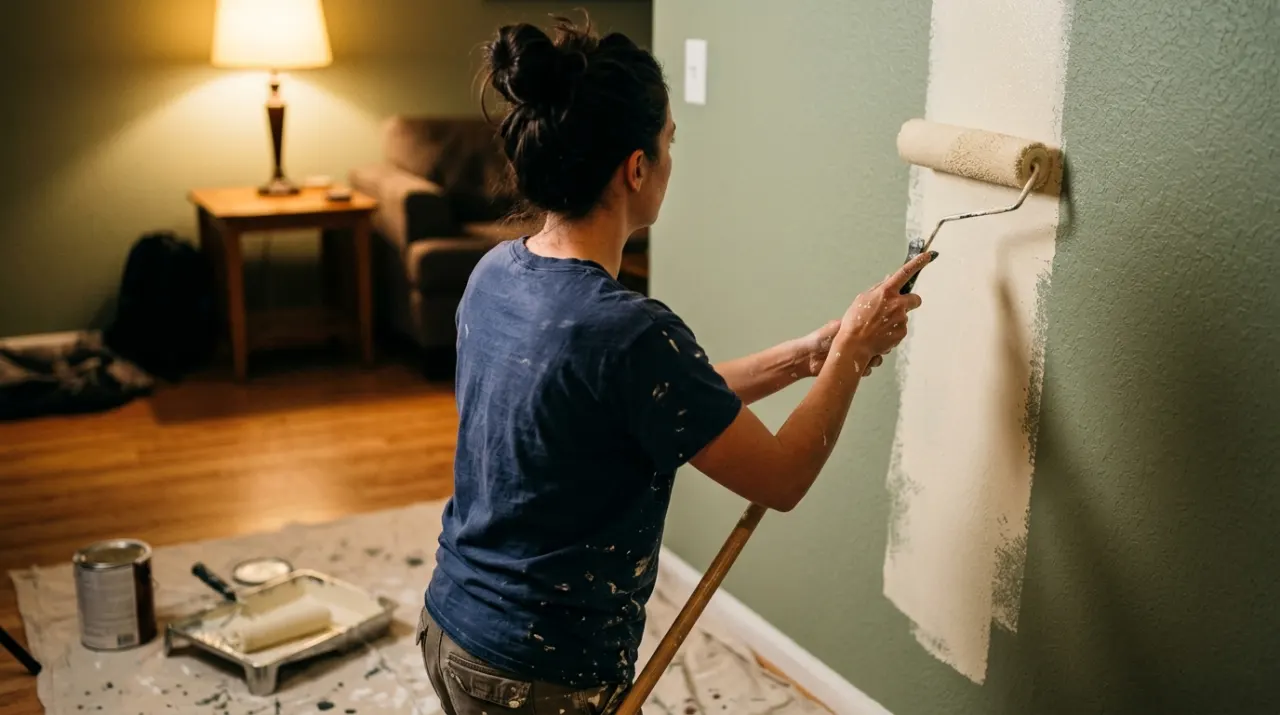
Ask two questions. First, will the wall get dirty or wet enough to need regular cleaning? If yes, satin. Second, is the wall smooth enough to survive extra sheen showing every flaw? If no, eggshell. When both point the same way the choice is easy; when they conflict — a bathroom with rough walls, say — decide which problem you would rather live with, dirt or visible imperfections, and often the answer is to smooth the wall first and then use satin. Buy the same brand and line across a room so the sheen is consistent, and account for coverage per gallon when you buy — see paint coverage per gallon. Our overall picks are in best interior paint.
We never buy, test or physically handle the products we rank. Recommendations come from aggregated owner reviews, star ratings, review volume and expert consensus — see how we rank.
More from this hub: Paint & Walls · Best interior paint · Coverage per gallon · Why paint peels · How we rank