 Garden

Affiliate Disclosure
Some links on this page are affiliate links. As an Amazon Associate, we earn from qualifying purchases — at no extra cost to you. We do not buy, test, or physically handle the products we cover; our rankings come from aggregated owner reviews, ratings and expert consensus. Commissions never change our verdicts. How we rank · full disclosure.
Yes — plain dish soap mixed with water kills aphids on contact by breaking down their soft outer coating, but only the insects the spray physically wets, and it leaves no lasting protection. Mix one to two teaspoons of a mild, additive-free liquid soap per one quart of water, spray it directly onto the aphids and the undersides of leaves, and repeat every few days. It is a genuine control for light infestations, not a preventive barrier, and the wrong formula or a hot afternoon can burn the plant.
How does dish soap actually kill aphids?
Soap is a surfactant. On an aphid it strips and disrupts the thin waxy layer that keeps the soft-bodied insect from drying out, so a well-wetted aphid dehydrates and dies within minutes to hours. This is the same mechanism behind commercial insecticidal soaps, which the University of Minnesota Extension and others describe as working strictly on contact against soft-bodied pests like aphids, mites and whiteflies. The critical consequence is that there is no residue: once the spray dries it does nothing, so aphids that arrive tomorrow are unaffected. That is why coverage and repetition matter more than anything else.
What is the right dish soap to water ratio?
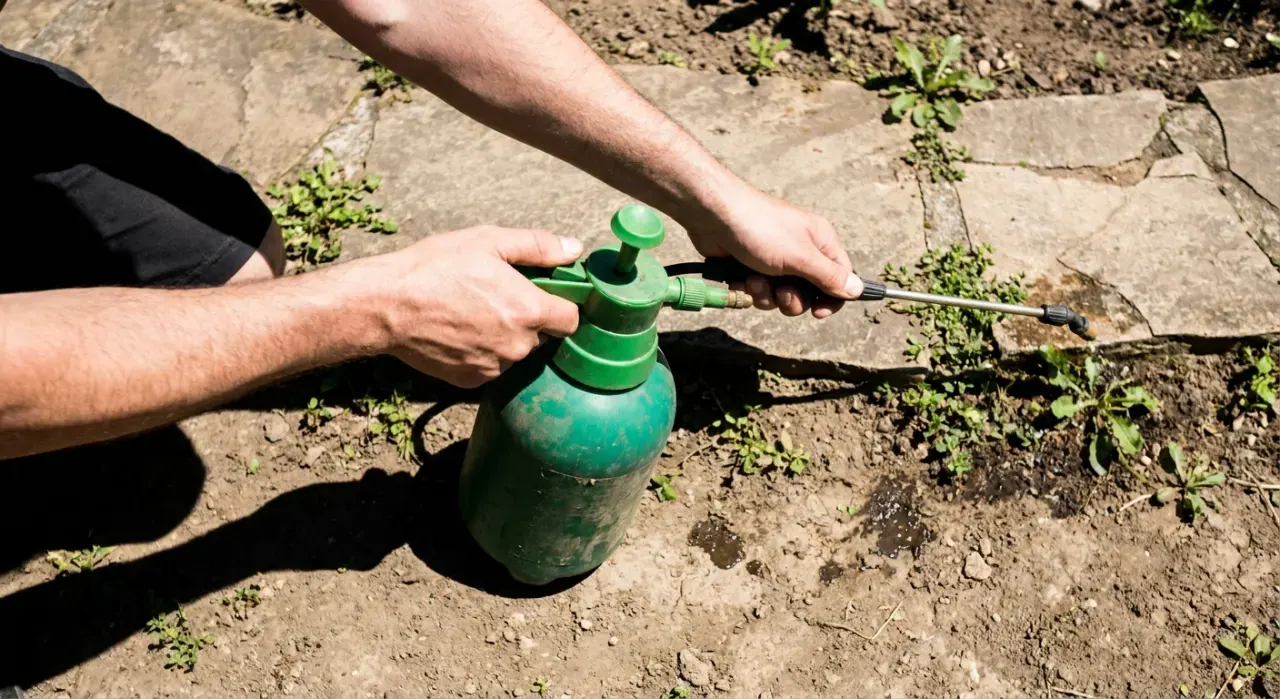
Keep it weak. A common starting point is one to two teaspoons of plain liquid dish soap per quart of water, which lands near the 1 to 2 percent range that university guidance uses for homemade soap sprays. Going stronger does not kill more aphids; it just raises the risk of burning leaves.
| Water volume | Plain liquid soap | Approx. concentration |
|---|---|---|
| 1 quart (32 oz) | 1–2 teaspoons | ~1–2% |
| 1 gallon | 4–8 teaspoons (about 1.3–2.7 tbsp) | ~1–2% |
Use a soap without degreasers, bleach, hand-moisturizers or antibacterial additives — those raise phytotoxicity without helping. If you would rather not guess, a registered insecticidal soap gives you a tested rate on the label.
How should you spray it for the best result?
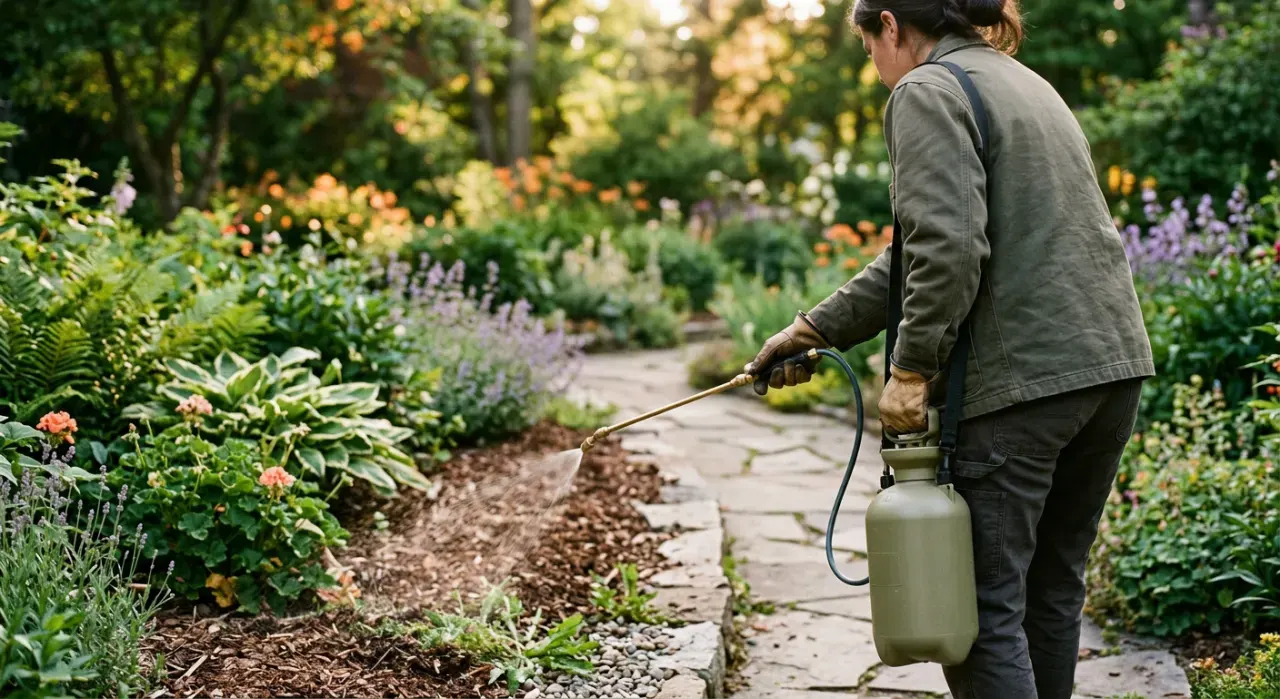
Timing and aim decide whether it works. Spray in early morning or evening, never in direct midday sun, and never on a plant that is already wilting from heat or drought — those conditions turn a mild soap into a leaf-scorching one. Wet the undersides of leaves and the soft new growth thoroughly, because that is where colonies cluster and where a top-down spray misses them entirely. A blast of plain water first can knock off a large share of the aphids before you even reach for soap. Because there is no residual, plan on repeating every three to seven days, and after rain, until the population crashes.
What are the downsides to know before you spray?
Two things. First, phytotoxicity: soap sprays can burn sensitive plants — many ferns, some succulents, and any stressed foliage — so test one leaf and wait a day before treating the whole plant. Rinsing with plain water a couple of hours later further reduces the risk. Second, soap is not selective. It kills the ladybug larvae and tiny parasitic wasps that would otherwise control aphids for free, so drenching an entire plant can backfire. Spot-treat the infested growth instead. If aphids keep surging back, look for ants: ants farm aphids for their honeydew and protect them from predators, and until you interrupt that, the aphids return.
When should you step up to a real product?
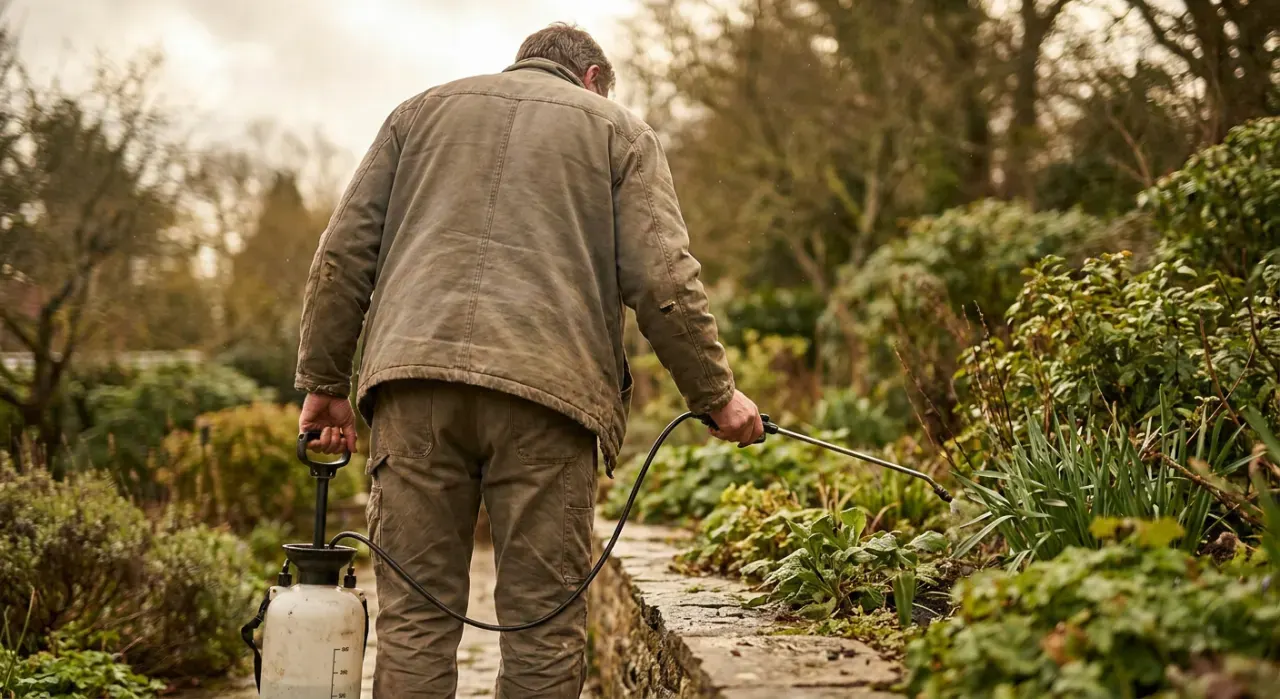
Dish soap is a reasonable first move on a light, localized infestation. For a heavy or repeated problem, a labeled insecticidal soap or a horticultural oil is formulated for plants, comes with tested application rates, and carries the legally binding use directions that a kitchen bottle does not. On edibles, always follow the product label for the pre-harvest interval. The ranked field of yard and garden insecticides, including what owners consistently report about coverage and plant safety, is in best insect killer for yards.
Where to go next
If you would rather avoid sprays entirely, controlling pests and weeds without chemicals covers physical and cultural methods, and if you have pets in the yard, weed and pest product pet safety is worth reading before you spray anything. For gadget claims, whether ultrasonic pest repellers work is the companion piece. Everything sits under the pest and weed control hub.
We never buy, apply or physically handle the products we rank — recommendations come from aggregated owner reviews and expert consensus, and the method is on how we rank. Follow the product label, which is the legally binding instruction in the United States, and check your local extension service for plant-specific advice.