 Garden

Affiliate Disclosure
Some links on this page are affiliate links. As an Amazon Associate, we earn from qualifying purchases — at no extra cost to you. We do not buy, test, or physically handle the products we cover; our rankings come from aggregated owner reviews, ratings and expert consensus. Commissions never change our verdicts. How we rank · full disclosure.
Diatomaceous earth does not kill ants on contact. Ants that walk through a dry layer of it typically die within about 24 to 48 hours, because it works by abrading and dehydrating their outer coating rather than poisoning them. That means brief contact may not be enough, the powder must stay completely dry to work, and it kills only the individual ants that cross it — not the queen or colony. Use food-grade DE, apply a thin visible dusting at entry points and trails, and reapply whenever it gets wet or disturbed.
How does diatomaceous earth kill ants?
Diatomaceous earth is a fine powder made from the fossilized shells of diatoms, a type of algae, and under magnification its particles are sharp and porous. When an insect crawls through it, the powder scratches the waxy outer layer of the exoskeleton and absorbs the lipids and moisture that layer holds in. The insect then loses water faster than it can replace it and dies of dehydration. It is a purely physical, mechanical mode of action — there is no chemical the insect can become resistant to, but there is also no instant effect and no poison to spread through the colony.
Why does it take a day or two rather than minutes?
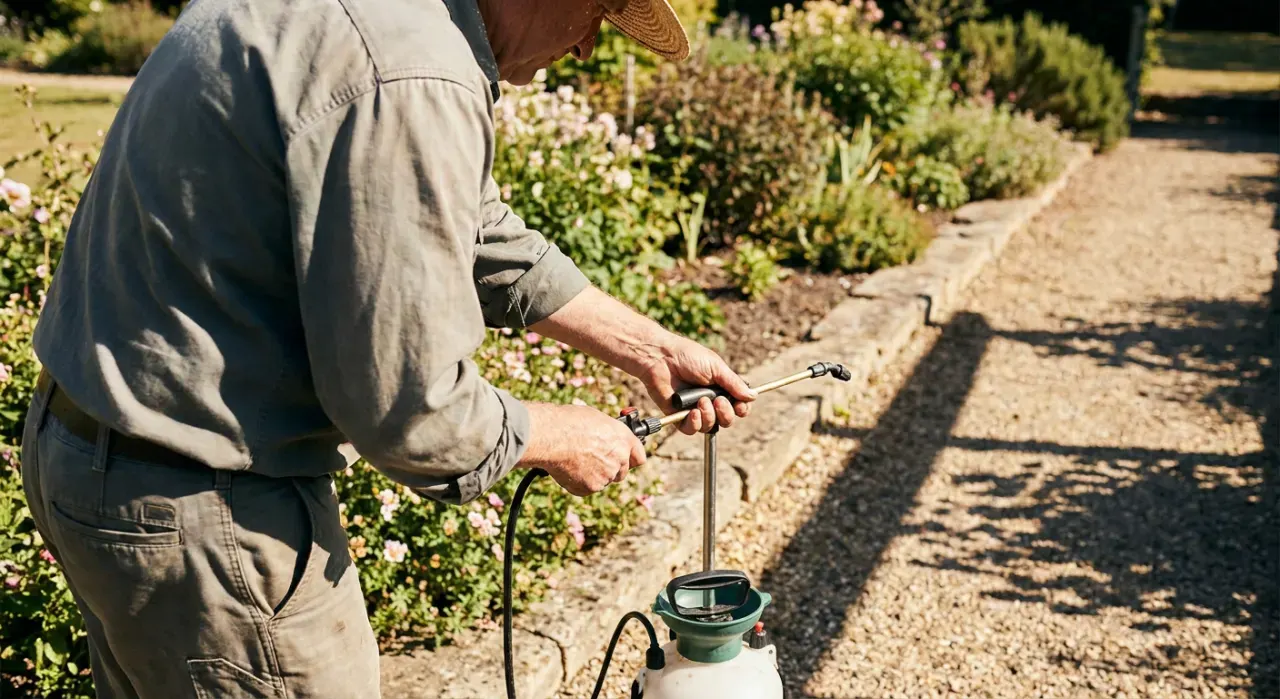
Dehydration is a slower process than a nervous-system poison. The ant has to pick up enough powder on enough of its body, and then it takes hours for the water loss to become fatal. A quick pass across a thin line does less than sustained contact, which is why placement matters: you want the DE where ants must walk through it repeatedly, such as along an established trail or right at a crack they use to enter. Larger, well-protected insects take longer; small soft-bodied ones go faster. For ants, the practical expectation is a noticeable die-off over roughly one to two days, with the trail thinning as workers stop making the crossing.
| Factor | Faster kill | Slower or no kill |
|---|---|---|
| Moisture | Bone-dry powder | Damp, dewy or rained-on |
| Contact time | Repeated crossing of a trail | Single brief touch |
| Application | Thin, even, visible dusting | Thick pile ants walk around |
| Grade | Food-grade | Pool-filter grade (do not use) |
Why won’t it get rid of the whole colony?
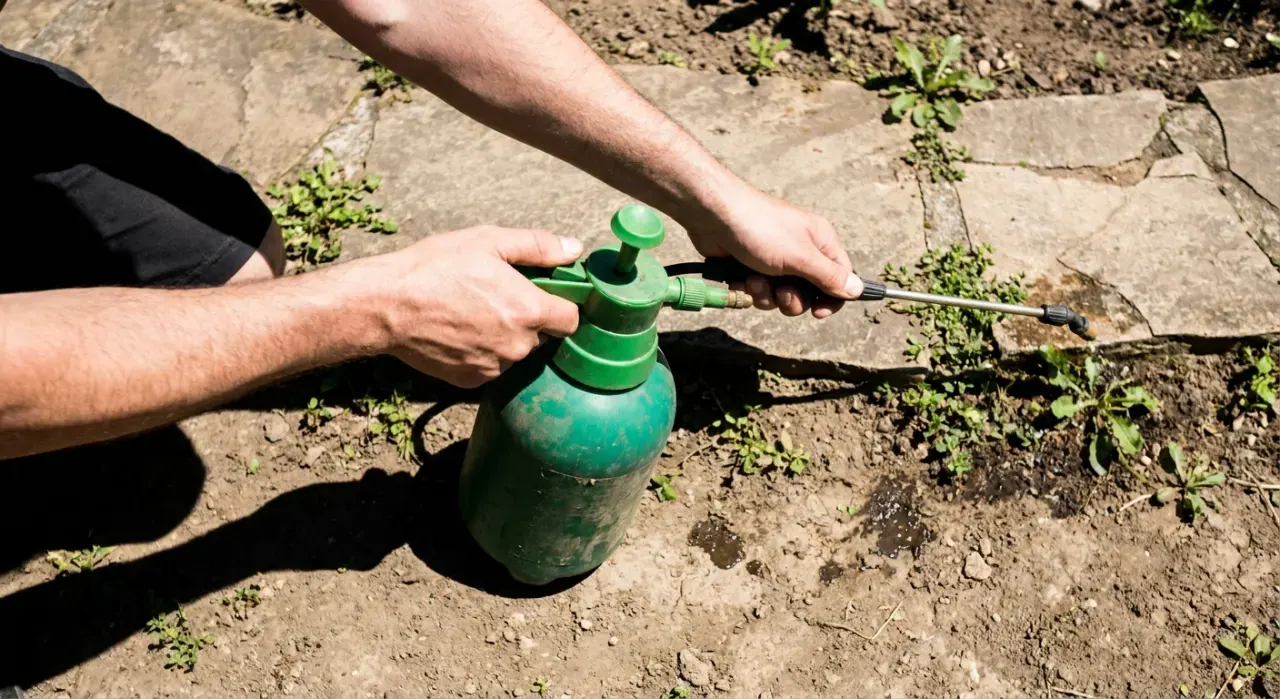
This is the honest limitation. DE kills the ants it touches, but it is not a bait — foragers do not carry it back and feed it to the nest, so the queen and brood are never exposed. You can suppress a trail and cut the number of visible ants, but the colony keeps producing replacements. For that reason, an ant problem coming from an established nest is often better handled with a slow-acting bait that workers carry home, which reaches the queen. Using DE at entry cracks as a barrier while a bait works the colony is a reasonable combined approach.
How should you apply it correctly?
Keep it dry and keep it thin. Apply a light, barely visible dusting — not a heap — along baseboards, under and behind appliances, in wall and foundation cracks, and directly on outdoor trails in sheltered, dry locations. Ants will detour around a thick mound, so a fine film that they cannot avoid works better than a pile. Because moisture disables it, indoor dry spots hold their effect longest, while anything exposed to rain, sprinklers or heavy dew needs reapplication each time it gets wet. A small applicator puffer helps place it in cracks.
Using it safely around the home
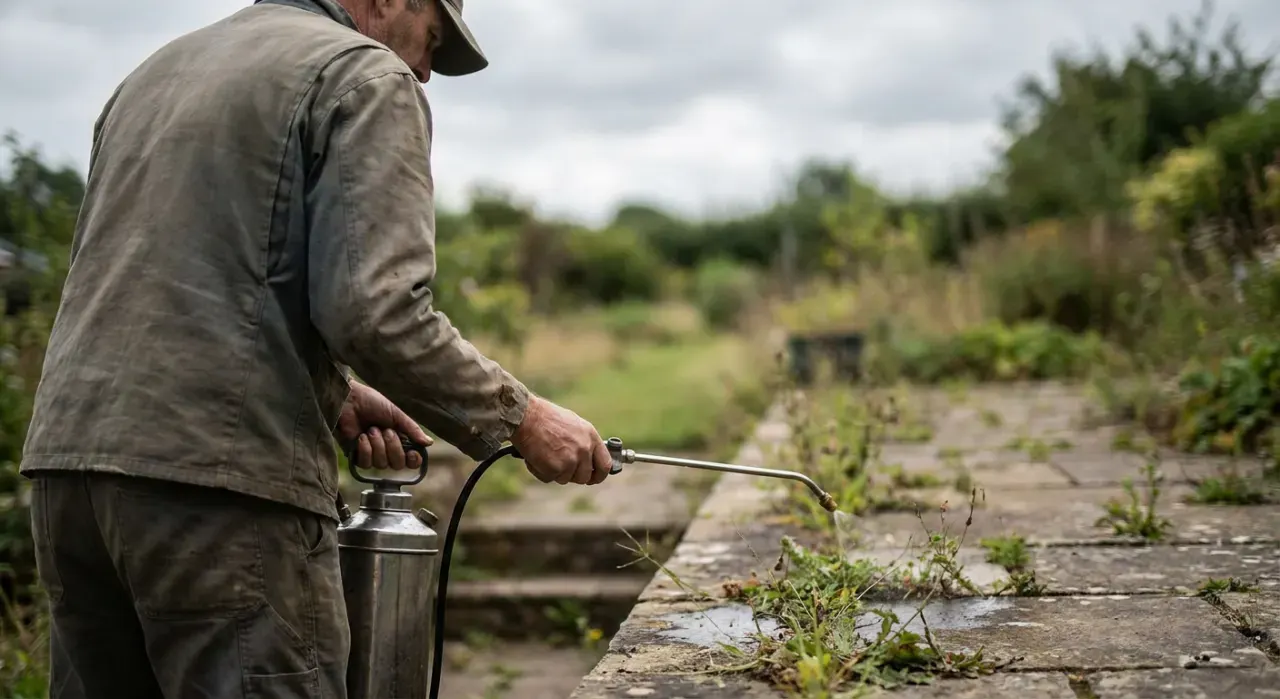
Buy food-grade diatomaceous earth. Pool-filter DE is heat-treated and contains a form of silica that is hazardous to inhale, and it is not meant for pest use. Even food-grade DE is a fine dust and a respiratory irritant, so wear a dust mask, apply thin lines rather than broadcasting clouds, and keep pets and children clear until it settles. The product label carries the legally binding directions, so follow it. We do not offer medical or veterinary advice — check with your doctor or vet if you have specific health questions about exposure.
Where to go next
If you would rather use a labeled ant product, best insect killer for yards ranks the options, and for other low-chemical tactics see controlling pests and weeds without chemicals. Curious whether another home remedy holds up? Whether dish soap kills aphids is the companion piece. Everything sits under the pest and weed control hub.
We never buy, apply or physically handle the products we rank — recommendations come from aggregated owner reviews and expert consensus, and the method is on how we rank. Follow the product label and check your local extension service for guidance.