 Garden
Affiliate Disclosure
Some links on this page are affiliate links. As an Amazon Associate, we earn from qualifying purchases — at no extra cost to you. We do not buy, test, or physically handle the products we cover; our rankings come from aggregated owner reviews, ratings and expert consensus. Commissions never change our verdicts. How we rank · full disclosure.
To get rid of aphids, start with the least toxic method that works and escalate only if you must. Blast the colony off with a firm jet of water, then spray the plant — especially leaf undersides — with insecticidal soap or a dilute dish-soap solution every three to five days for two to three weeks. Protect and encourage the ladybugs, lacewings, and parasitic wasps that eat aphids, and control any ants farming them. Reserve neem oil for stubborn cases and skip broad-spectrum insecticides, which kill the predators keeping aphids in check.
Aphids are soft-bodied, pinhead-sized insects that cluster on new growth and leaf undersides, sucking sap and excreting sticky honeydew. The good news is they are among the easiest garden pests to manage without harsh chemicals. Our rankings come from aggregated owner reviews and expert consensus, not first-hand testing — see how we rank.
Confirm it is aphids first
Aphids are 1/16 to 1/8 inch long, pear-shaped, and come in green, black, gray, white, yellow, or pink. Look for dense clusters on tender new shoots, buds, and the undersides of leaves. Three telltale signs confirm them:
- Sticky honeydew on leaves and anything below the plant, which feels tacky and shines.
- Sooty mold, a black coating that grows on the honeydew.
- Ants marching up and down the stems, tending the colony for its honeydew.
Curled, yellowing, or distorted new leaves are the damage. Correct identification matters because the water-and-soap approach that works so well on aphids does little against mites or scale, which need different handling.
Step 1: knock aphids off with water
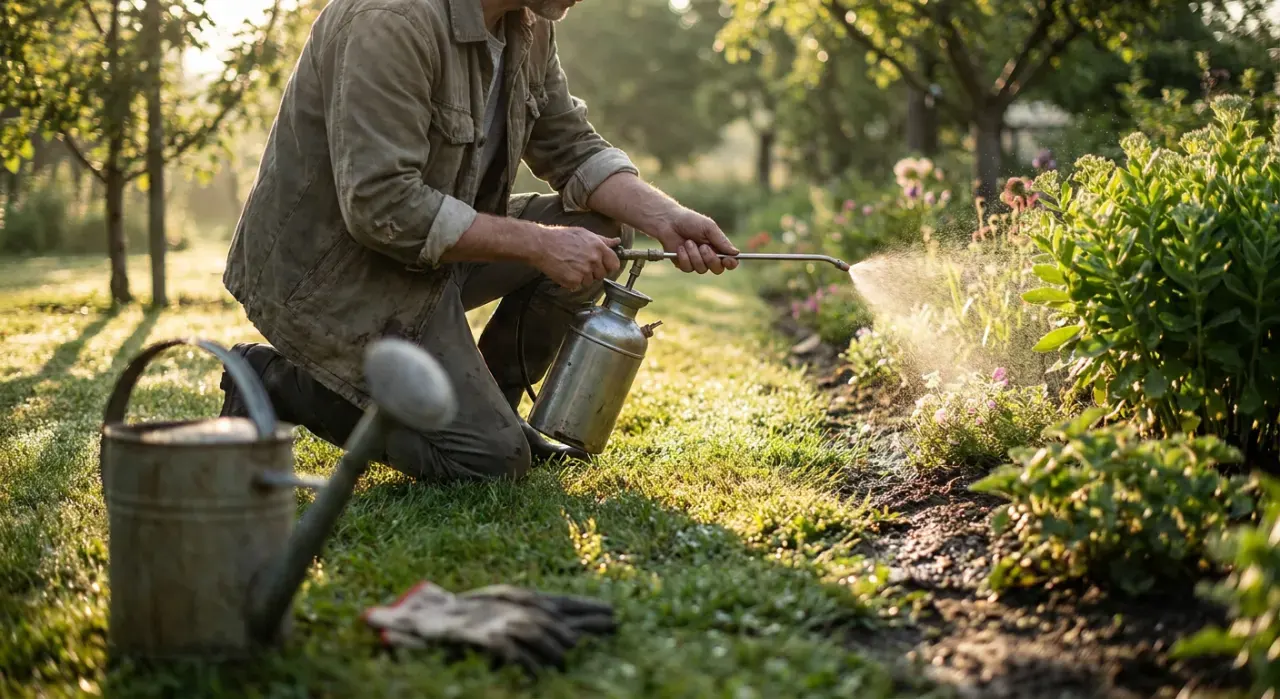
The single most underrated control is plain water. Aphids are weak and, once dislodged, mostly cannot climb back onto the plant. A strong jet from the hose, aimed at the undersides of leaves and the clustered shoots, removes the bulk of a colony in seconds and costs nothing.
- Use a firm spray — enough to dislodge insects but not shred tender foliage. A thumb over the hose end or an adjustable nozzle set to "jet" works.
- Hit the undersides of leaves, where aphids hide and where soap sprays later need to reach anyway.
- Repeat every couple of days for a week or two. Water alone will not end an infestation, but it keeps numbers low while predators build up and while you follow with soap.
For houseplants, take the plant to the sink or shower and rinse it the same way, supporting the soil so it does not wash out.
Step 2: insecticidal soap or a dish-soap spray
Soap sprays kill aphids by contact, dissolving the waxy coating that keeps them from drying out. They have no lasting residue, which is why repeat applications are essential, and why they are far gentler on beneficial insects than a residual insecticide.
| Option | Mix | Notes |
|---|---|---|
| Commercial insecticidal soap | Ready to use or per label | Formulated to spare foliage; most reliable |
| Dish-soap solution | 1 to 2 tsp plain liquid soap per quart of water | Cheap; use a degreaser-free soap, test first |
Spray to thoroughly wet the aphids and leaf undersides, because soap only kills what it touches. Apply in the early morning or evening, never in hot midday sun, which can scorch wet leaves. Rinse tender or new foliage a couple of hours later. Repeat every three to five days until you stop seeing new colonies. The related question of whether ordinary dish soap is enough is covered in does dish soap kill aphids.
Step 3: neem oil for stubborn aphid colonies
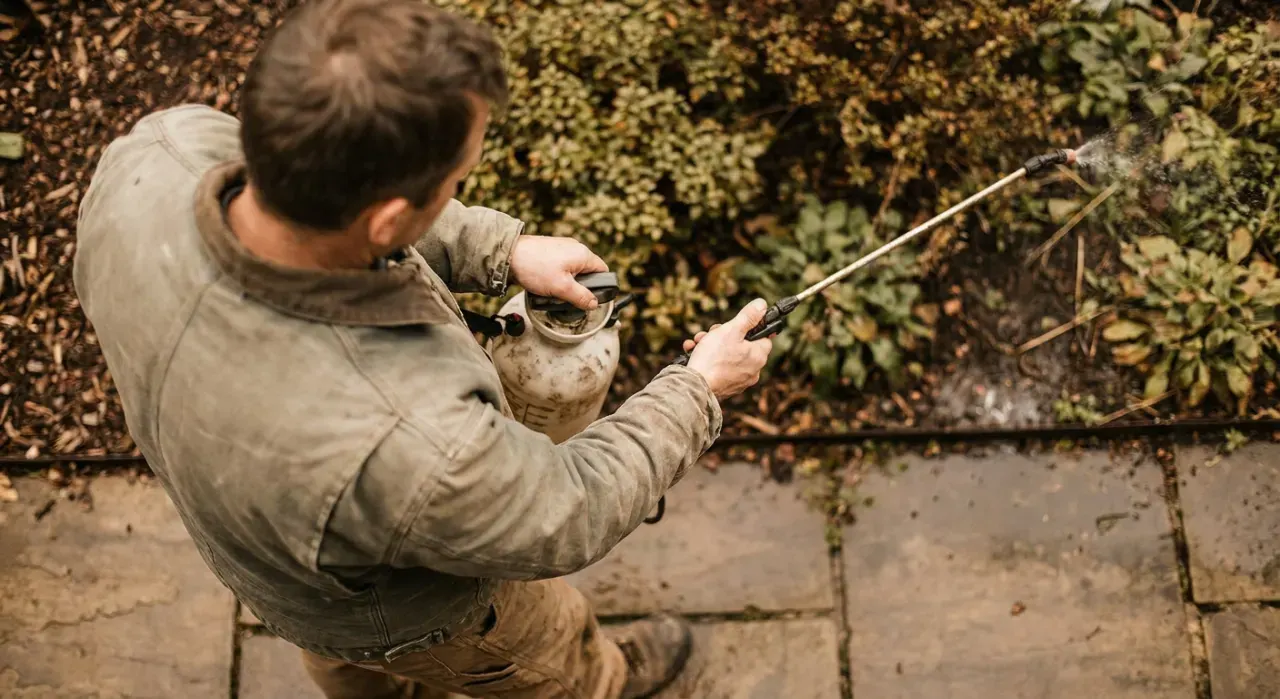
When soap and water are not keeping up, neem oil is the next step. It works more slowly than soap but adds two things soap lacks: it disrupts aphid feeding and reproduction, and it lingers for a few days, so it catches the constant stream of newly hatched nymphs. Neem also suppresses the sooty mold that grows on honeydew.
Mix per the label — typically a couple of teaspoons of concentrate plus a drop of soap as an emulsifier per quart of water — and coat all leaf surfaces. As with soap, spray in cool hours and avoid open blooms to protect pollinators. Neem is a contact and ingestion product, so coverage still matters. For a broader-spectrum ready-made option when an outbreak spans many plants, see best yard insect killer, and use it sparingly to protect beneficials.
Step 4: recruit the insects that eat aphids
Aphids are near the bottom of the food chain, and a healthy garden has an army of predators that will keep them in check for free. This is the long-term solution that stops you spraying every year.
- Ladybugs (lady beetles) — both adults and larvae are voracious; a single larva can eat hundreds of aphids before it matures.
- Lacewing larvae — nicknamed aphid lions, they are even hungrier than ladybugs.
- Hoverfly larvae — small maggot-like predators that patrol colonies unseen.
- Parasitic wasps — tiny, harmless to people, they lay eggs inside aphids, leaving brown "mummies" behind.
Attract them by planting flat-topped flowers like dill, fennel, yarrow, and alyssum, and by not spraying broad-spectrum insecticides, which kill predators faster than pests. If you buy ladybugs, release them at dusk after watering; results are hit-or-miss because purchased ladybugs tend to fly off.
Step 5: deal with the ants
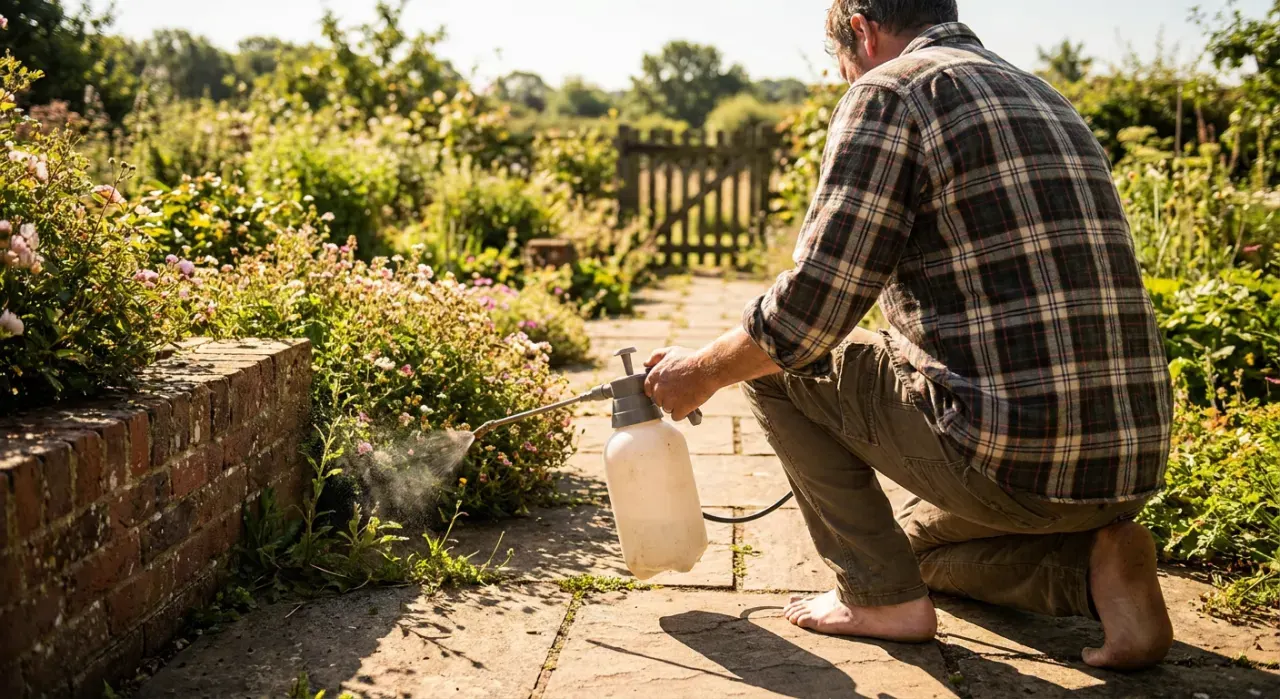
If aphids keep coming back to the same plant, look for ants. Ants farm aphids for honeydew and drive off the ladybugs and lacewings that would otherwise clear them, so an ant problem is often the real reason an infestation will not end.
Break the partnership: wrap a band of sticky barrier (horticultural glue or a petroleum-jelly-coated tape) around tree trunks or stems to stop ants climbing, and set ant bait near the trails to reduce the colony. Once the ants are gone, natural predators finish the aphids on their own. This ant link is one of the two most common causes of repeat infestations, the other being over-feeding.
Preventing the next aphid outbreak
A few habits make aphids far less likely to take hold, especially on the soft new growth they love.
| Practice | Why it helps |
|---|---|
| Ease off high-nitrogen fertilizer | Excess nitrogen forces soft, sappy growth aphids target |
| Inspect new plants before bringing them in | Aphids hitchhike on nursery stock and houseplants |
| Encourage predator-friendly flowers | Keeps ladybugs and lacewings resident year-round |
| Blast plants with water weekly in peak season | Keeps early colonies from establishing |
| Remove heavily infested shoots | Cuts the population fastest on a badly hit plant |
Reflective mulch under vulnerable vegetable seedlings also confuses winged aphids and reduces early colonization. For controlling other common yard invaders, browse the pest and weed control hub, including how to get rid of squash vine borers.
The bottom line
Aphids look alarming but respond to the gentlest tools. Start with water, follow with soap every few days, add neem only if needed, and protect the predators and control the ants that decide whether the problem returns. Skip the harsh insecticides — they set you back by wiping out the very insects that keep aphids down. With a couple of weeks of consistent, low-toxicity effort, almost any aphid outbreak is over.
More whole-yard pest guidance is at the pest and weed control hub, and the aggregated product picks referenced above are ranked using the method in how we rank.