 Garden

Affiliate Disclosure
Some links on this page are affiliate links. As an Amazon Associate, we earn from qualifying purchases — at no extra cost to you. We do not buy, test, or physically handle the products we cover; our rankings come from aggregated owner reviews, ratings and expert consensus. Commissions never change our verdicts. How we rank · full disclosure.
To get rid of flea beetles, protect vulnerable seedlings first: cover them with floating row covers the moment they emerge, set out sticky traps to catch the jumping adults, and treat active outbreaks with an OMRI-listed spinosad or kaolin clay, reserving a pyrethrin knockdown for severe infestations. These tiny jumping beetles chew the shot-hole pattern of pinprick holes that riddles seedling leaves of eggplant, radish, arugula and brassicas, and because established plants usually shrug them off, the whole game is defending young plants through their first few weeks.
We do not test or physically handle the plants and products we cover; our guidance draws on horticultural extension research and the aggregated experience in thousands of owner reviews, as explained in how we rank.
Identify flea beetles first
Flea beetles are named for their most useful identifying trait: when you disturb a leaf, they spring away like fleas, thanks to enlarged hind legs. The adults are extremely small, generally less than a tenth of an inch, and colored dark brown, black, bronze or metallic blue-green depending on the species. Because of their size you will often notice the damage before the insect. That damage is the giveaway: a fine scatter of small, round holes across the leaf surface, frequently described as shot-hole or buckshot feeding. On a heavily hit seedling the leaves can look lacy or almost skeletonized.
The plants most affected are seedlings and young transplants in the brassica family, cabbage, kale, broccoli, radish, arugula, mustard, along with eggplant, potato, tomato and spinach. Different flea beetle species favor different crops, but the leaf symptom is consistent. If you see peppered holes on tender foliage and small dark specks that leap away when you lean in, you have flea beetles, and you can proceed to control without further diagnosis.
Why seedlings are the whole battle
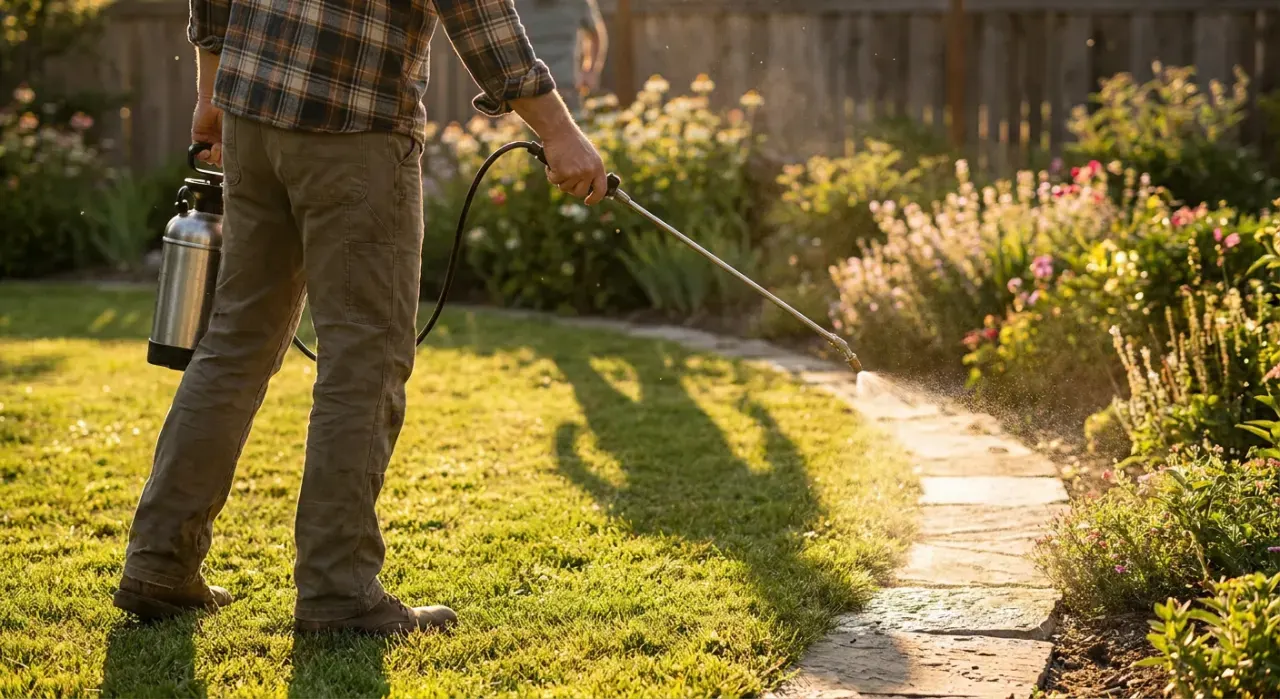
The most important thing to understand about flea beetles is that their threat is almost entirely tied to plant age. A newly emerged seedling has only a few small leaves, so even moderate feeding removes a large fraction of its photosynthetic area and can stunt or kill it before it establishes. The same beetle pressure on a large, well-rooted plant produces cosmetic shot-holes that the plant easily outgrows. This is why the entire control strategy centers on getting plants through the first few weeks. If you protect seedlings and transplants intensively at the start and then relax as they size up, you will spend far less effort and get far better results than someone spraying mature plants that were never really in danger.
Treatment, least to most aggressive
Climb the ladder from barriers and cultural controls up to targeted sprays, keeping the broad-spectrum knockdowns for genuine emergencies.
- Floating row covers — Lay lightweight covers over seedlings the moment they emerge or are transplanted, sealing the edges with soil. This physically excludes the beetles during the vulnerable window and is the most reliable organic control. Remove covers on any crop that needs pollination once it flowers.
- Sticky traps — Yellow or white sticky cards set at plant height catch the jumping adults and help you gauge population trends so you know when pressure is rising.
- Kaolin clay — A sprayed-on coating of this fine white clay makes leaves gritty and unappealing, deterring feeding without killing beneficials. Reapply after rain.
- Spinosad — This OMRI-listed insecticide from a fermented soil bacterium is an effective organic option against active outbreaks. Follow the label rate and pre-harvest interval, and spray at dusk to spare pollinators.
- Neem oil / azadirachtin — Suppresses feeding and egg-laying; useful as a repeat-application backstop rather than a knockdown.
- Pyrethrin — A fast-acting botanical insecticide for severe infestations that overwhelm the gentler options. It knocks beetles down quickly but is broad-spectrum, so use it sparingly and follow the label to protect beneficial insects.
Comparing flea beetle control methods
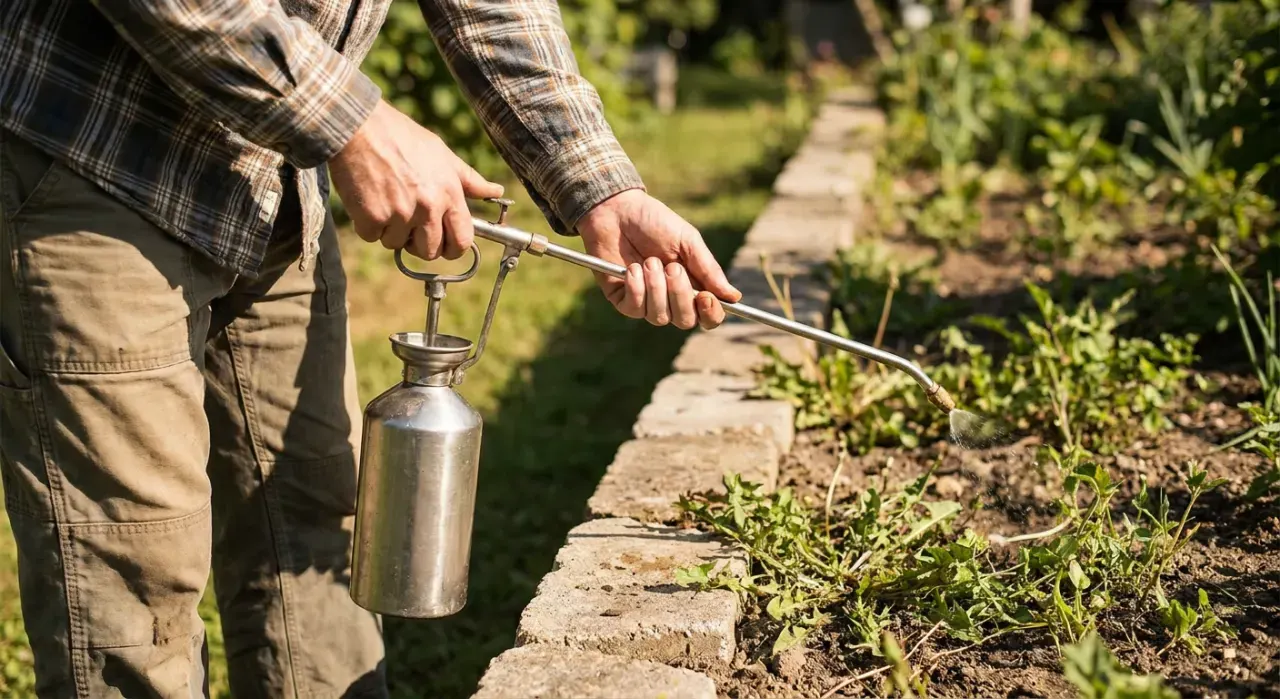
The table matches each tool to what it does best, so you can layer them rather than rely on one.
| Method | Best for | Type | Note |
|---|---|---|---|
| Floating row cover | Protecting seedlings | Physical | Most effective single tool |
| Sticky traps | Monitoring and reducing adults | Physical | Yellow or white cards at leaf height |
| Kaolin clay | Deterring feeding | Organic | Reapply after rain |
| Spinosad | Active outbreaks | Organic / OMRI | Spray at dusk; mind pre-harvest interval |
| Neem / azadirachtin | Suppressing numbers | Organic | Needs repeat applications |
| Diatomaceous earth | Dry-surface contact kill | Organic | Only works while dry |
| Pyrethrin | Severe infestations | Botanical (last resort) | Broad-spectrum; use sparingly |
Every product carries a label that, under FIFRA, is legally binding: it lists the crops you may treat, the mixing rate, and the interval you must wait before harvest. Read it and follow it exactly.
Getting the timing right
Because the damage is front-loaded onto young plants, the calendar matters. One useful tactic is to shift planting dates so seedlings are not emerging during the peak of adult activity in early spring; a slightly later sowing, or starting plants indoors and setting out sturdier transplants, gives you plants that are past the most vulnerable stage. Where flea beetles are a chronic problem, some gardeners use fast-growing radish or mustard as a trap crop planted at the edges to draw beetles away from the main planting, then treat or remove that trap crop. Watering and healthy soil help too, since a fast-growing, unstressed seedling powers through minor feeding much better than a struggling one.
Preventing next year's flea beetle outbreak
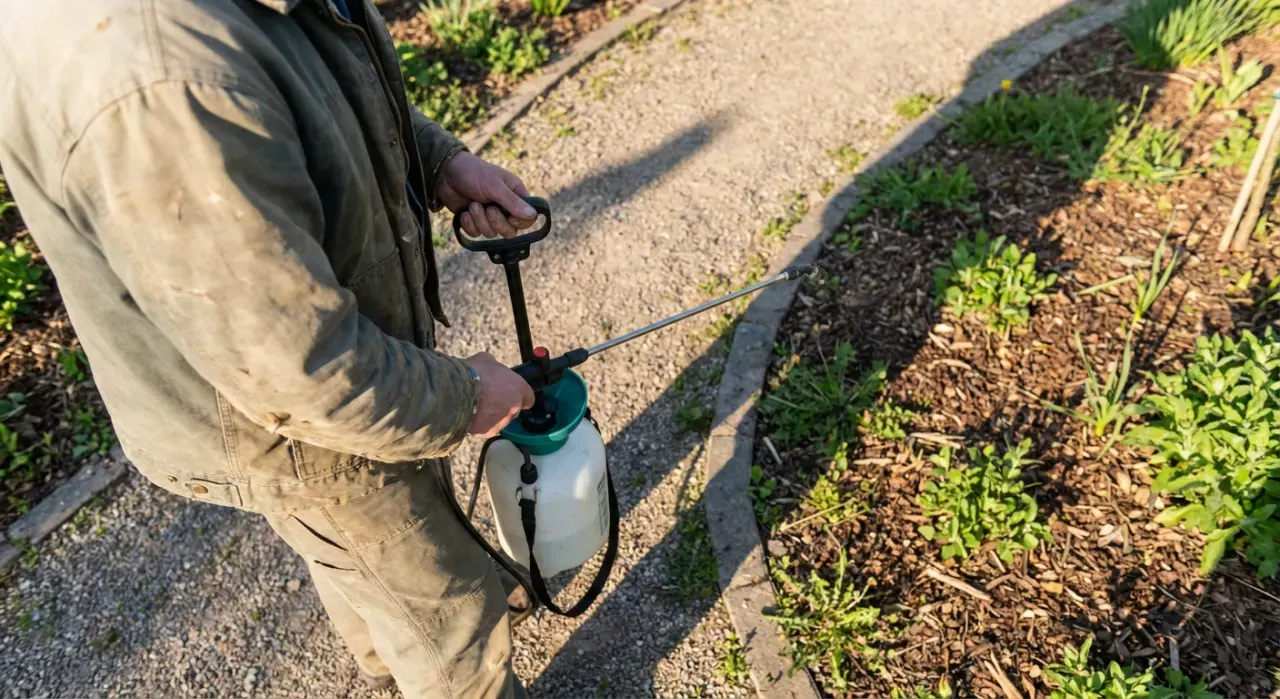
Adults overwinter in leaf litter, weedy edges and soil near the garden, so a thorough fall cleanup removes much of the shelter that produces next spring's beetles. Controlling weeds in the brassica and nightshade families denies them alternative hosts. Rotating susceptible crops to a new bed each year lengthens the journey overwintered adults must make to reach them. Encouraging natural enemies, and avoiding routine broad-spectrum sprays that kill the predatory insects and beneficial nematodes that attack flea beetle larvae in the soil, keeps the population under natural pressure. Stacked together, these habits mean each season starts with fewer beetles waiting for your seedlings.
Let natural enemies fight flea beetles
Flea beetles have plenty of natural enemies, and a garden managed to keep them around needs far less spraying. Several tiny parasitic wasps attack flea beetle eggs and larvae, ground beetles and other predators eat the soil-dwelling larvae, and beneficial nematodes applied to moist soil can reduce the larval generation that would otherwise emerge as next season's adults. The catch is that broad-spectrum insecticides, including botanicals like pyrethrin used carelessly, kill these allies along with the pests, which is exactly why the treatment ladder puts them last. Every time you reach for a knockdown spray on mature plants that were never really threatened, you set back the free control working in the background. The practical habit is to reserve sprays for genuinely vulnerable seedlings under heavy pressure, keep flowering plants in and around the garden to feed the adult parasitic wasps, and give beneficial nematodes and predators the undisturbed, mulched soil they need. Over a season or two this quietly lowers the baseline flea beetle population, so each spring starts with a lighter fight.
Where to go next
For broader product options, the best insect killer for yards ranks the labeled choices. If your brassicas or nightshades also show striped beetles or orange larvae rather than shot-holes, see how to get rid of Colorado potato beetles. Everything sits under the Pest & Weed Control hub, and our method is explained on how we rank. Follow the label and check your local extension service for regional timing.