 Garden


Affiliate Disclosure
Some links on this page are affiliate links. As an Amazon Associate, we earn from qualifying purchases — at no extra cost to you. We do not buy, test, or physically handle the products we cover; our rankings come from aggregated owner reviews, ratings and expert consensus. Commissions never change our verdicts. How we rank · full disclosure.
To get rid of squash bugs, lean on physical control first because the armored adults resist many sprays: scrape off the bronze egg clusters from leaf undersides, handpick adults and nymphs into soapy water, and use overnight trap boards to gather them, then treat the vulnerable young nymphs with an OMRI-listed spinosad or insecticidal soap, keeping pyrethrin for severe outbreaks. These flat, gray, shield-shaped bugs suck sap from squash and pumpkin foliage, wilting the leaves, and the whole strategy hinges on stopping the eggs and hitting the nymphs before adults harden off.
We do not test or physically handle the plants and products we cover; our guidance draws on horticultural extension research and the aggregated experience in thousands of owner reviews, as explained in how we rank.
Identify squash bugs first
Squash bugs are members of the true bug family, and the adults are flat-backed and shield-shaped, about five-eighths of an inch long, dark gray to brownish-black, sometimes with alternating orange-and-brown bars along the edges of the abdomen. Crush one and you will notice a distinct, disagreeable smell. The nymphs hatch pale green to whitish-gray with dark legs and cluster together on the undersides of leaves, darkening as they grow. The single most reliable early sign is the eggs: tidy clusters of small, oval, coppery-bronze eggs laid on leaf undersides and stems, very often in the angle where leaf veins meet.
The plants they target are squash and pumpkin above all, along with other cucurbits like gourds and, less often, cucumbers and melons. Their sap-feeding injects a toxin that causes leaves to wilt, turn crisp and brown, and eventually die, a symptom sometimes called anasa wilt. When you find gray shield-shaped bugs, clustered gray-green nymphs, and bronze egg clusters on cucurbit leaves, the diagnosis is clear and you can move to control.

Why the eggs and nymphs are your target
The defining challenge with squash bugs is that adults are genuinely hard to kill. Their tough bodies shrug off many contact insecticides, and they spend much of their time low on the plant, under leaves and in mulch, where sprays struggle to reach them. Nymphs, by contrast, are soft and far more susceptible, and eggs can simply be removed by hand before they ever hatch. This flips the usual logic of pest control: rather than chasing the obvious adults, you get the best results by attacking the stages most people overlook. Every egg cluster you scrape off is a batch of nymphs that never appears, and a spray timed to a fresh hatch of nymphs does far more than the same spray aimed at a population of hardened adults.
Squash bug treatment, least to most aggressive
Work up the ladder from removal and barriers to targeted sprays, saving the botanical knockdown for a real emergency.
- Remove the egg clusters — Inspect leaf undersides two or three times a week and scrape, or lift off with a strip of tape, every bronze cluster you find. This is the highest-value action against squash bugs.
- Handpick adults and nymphs — In the cool of morning the bugs are sluggish; knock them into a bucket of soapy water. Repeat regularly through the season.
- Set trap boards — Lay a flat board or shingle on the soil near the plants overnight. Squash bugs gather beneath it, and you can collect and destroy them at dawn.
- Cover young plants — Floating row covers exclude the bugs while plants are young, but they must be removed once flowering begins so bees can pollinate.
- Treat nymphs with insecticidal soap or spinosad — Both work best on young nymphs. Insecticidal soap needs direct contact; OMRI-listed spinosad is more persistent. Follow the label rate and pre-harvest interval, and spray at dusk to protect pollinators.
- Use pyrethrin as a last resort — For severe infestations, this fast-acting botanical knocks bugs down, but it is broad-spectrum and hits beneficials too, so reserve it for genuine emergencies and follow the label.
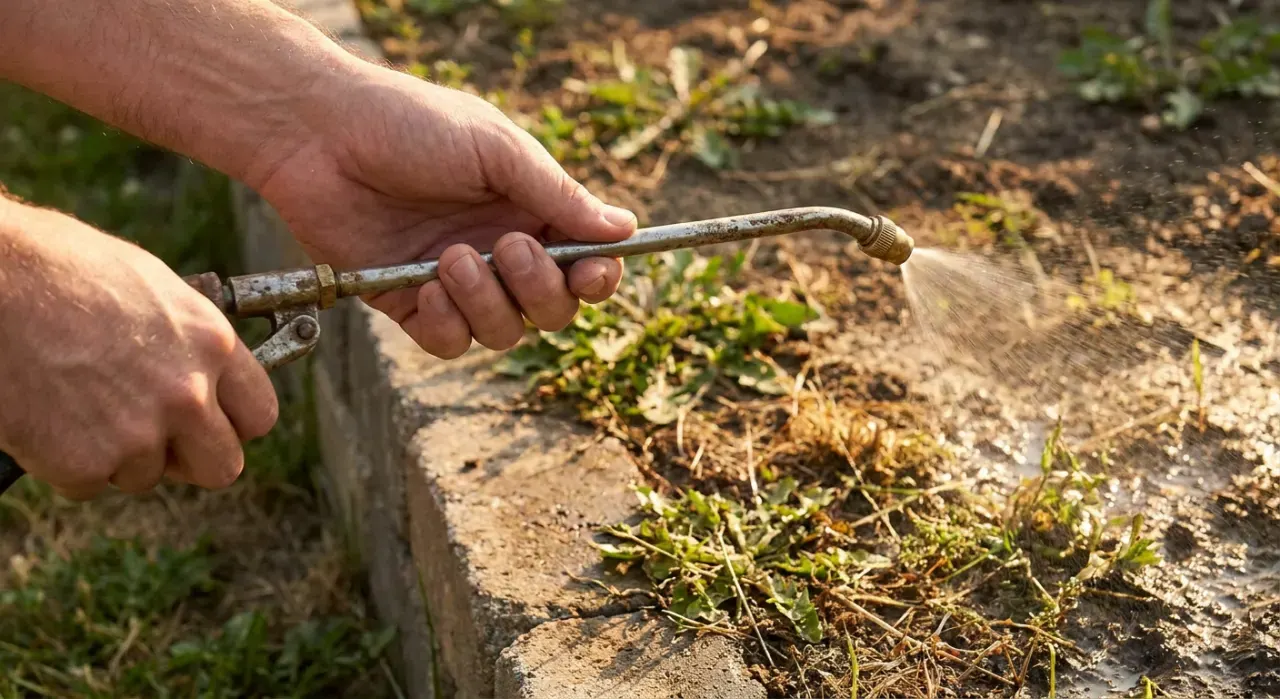
Comparing squash bug control methods
The table pairs each method with the stage it targets and its trade-offs.
| Method | Best target stage | Type | Note |
|---|---|---|---|
| Removing egg clusters | Eggs | Physical | Highest payoff; scrape or tape off |
| Handpicking | Adults, nymphs | Physical | Best in the cool of morning |
| Trap boards | Adults, nymphs | Physical | Collect at dawn |
| Floating row cover | All (barrier) | Physical | Remove at flowering |
| Insecticidal soap | Young nymphs | Organic | Needs direct contact; poor on adults |
| Spinosad | Young nymphs | Organic / OMRI | Spray at dusk; mind pre-harvest interval |
| Pyrethrin | Nymphs, adults | Botanical (last resort) | Broad-spectrum; use sparingly |
Under FIFRA the product label carries the force of law, spelling out which crops you may treat, the correct rate, and how long to wait before harvest. Follow the label every time.
Cleanup and mulch matter
Adult squash bugs love shelter, and how you manage debris and mulch directly affects how many gather on your plants. Loose organic mulch and boards give adults places to hide during the day and overwinter at season's end, so keeping the area around susceptible plants tidier reduces their cover, even as you exploit a single deliberate trap board for collection. At the end of the season, promptly pulling and destroying spent vines removes the food and shelter that adults use before finding an overwintering site. Because adults overwinter in garden debris, brush piles and under mulch near where cucurbits grew, a thorough fall cleanup meaningfully lowers the number that emerge to greet next year's planting.
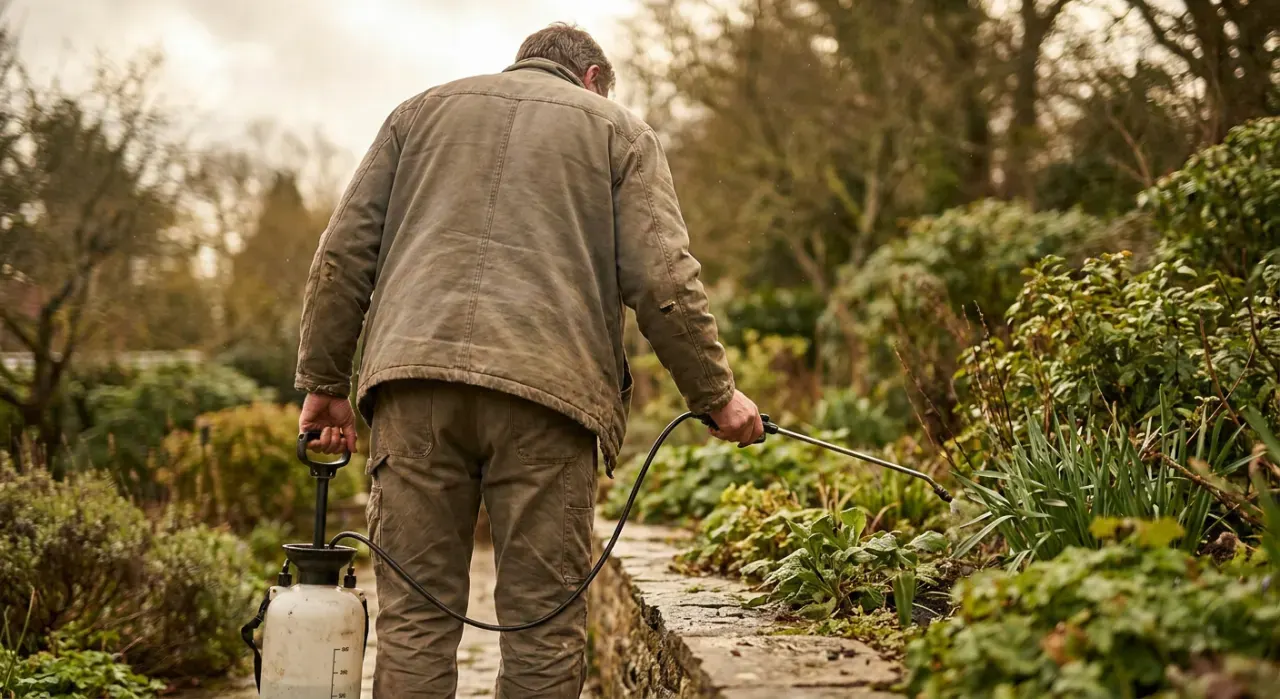
Preventing next year's population
Beyond cleanup, rotating squash and pumpkins to a bed away from last year's site lengthens the trip overwintered adults must make in spring. Choosing more resistant or less-preferred varieties, and timing plantings to sidestep peak egg-laying, both help. Healthy, vigorous plants tolerate a given level of feeding better than stressed ones, so consistent watering and good soil are quiet forms of pest management. Encouraging natural enemies such as the tachinid flies that parasitize squash bugs, by avoiding routine broad-spectrum sprays, adds another layer of natural pressure. None of these is a silver bullet, but stacked with diligent egg removal they keep squash bug damage well within bounds.
Scout on a schedule
Squash bugs reward routine over reaction, and a scouting habit is worth more than any single spray. Because the eggs are the easiest stage to destroy and the nymphs the easiest to kill, checking your plants two or three times a week during the growing season lets you intercept the pest at its weak points before adults harden off and become nearly untouchable. Make a habit of turning several leaves per plant to inspect the undersides for the bronze egg clusters, and glance at the base of the stems and under any nearby mulch or boards where adults congregate. Early in the season a few minutes of this catches the first egg-laying females and their clutches, when removing a handful of clusters prevents dozens of nymphs. Later, it tells you the moment a hatch of vulnerable young nymphs appears, which is the ideal, and often only, window for an insecticidal soap or spinosad treatment to work well. Gardeners who lose plants to squash bugs are usually those who first notice the problem when leaves are already wilting and adults are everywhere; those who keep their plants healthy are simply looking, and acting, a week or two earlier.
Where to go next
If your squash is wilting with a hollow stem and sawdust-like frass rather than gray bugs, that is a different pest — see how to get rid of squash vine borers. For broader product options, the best insect killer for yards ranks the labeled choices. Everything sits under the Pest & Weed Control hub, and our method is on how we rank. Follow the label and check your local extension service for regional timing.