 Garden

Affiliate Disclosure
Some links on this page are affiliate links. As an Amazon Associate, we earn from qualifying purchases — at no extra cost to you. We do not buy, test, or physically handle the products we cover; our rankings come from aggregated owner reviews, ratings and expert consensus. Commissions never change our verdicts. How we rank · full disclosure.
The short answer: to get rid of tomato hornworms, handpick them off your plants at dusk or dawn and drop them in soapy water — this is the single most effective method for a home garden. For heavy outbreaks of small caterpillars, spray Bt (Bacillus thuringiensis), a naturally occurring bacterium that kills caterpillars but is harmless to people, pets, and beneficial insects. To stop next year’s crop, till the soil in fall and spring to expose and destroy the overwintering pupae. And if you find a hornworm studded with white cocoons, leave it — a parasitic wasp is already killing it and breeding more of your allies.
Tomato hornworms are the large green caterpillars — up to 3 to 4 inches long, with a soft horn on the rear and white V-shaped markings along the sides — that can strip a tomato plant of leaves seemingly overnight. They are the larvae of the five-spotted hawk moth. We do not test products first-hand; this guidance reflects horticultural and university-extension consensus, described in how we rank.
Spot Tomato Hornworm Damage and the Caterpillar
Hornworms are masters of camouflage, so you usually notice the damage before the insect. Look for:
- Missing leaves and bare, chewed stems, often near the top of the plant, appearing very fast.
- Dark green or black droppings (frass) on lower leaves and the ground — often the first clue. Look directly above the frass to find the caterpillar.
- Chewed, unripe fruit with scarred patches.
- The caterpillar itself, fat and bright green with diagonal white stripes and a horn, blending almost perfectly into the stems.
A flashlight helps enormously: under ultraviolet (black) light, hornworms glow, which the University of Minnesota Extension and others note makes them far easier to find at night than in daylight. If your caterpillars are smaller, green, and looping as they crawl, they may be cabbage worms or another species — see how to get rid of cabbage worms.

The life cycle, and why fall tilling matters
The five-spotted hawk moth overwinters as a hard, spindle-shaped brown pupa a few inches deep in the soil. In late spring the adult moth emerges, mates, and lays single, round, greenish-white eggs on the undersides of tomato-family leaves. Eggs hatch in about a week, and the caterpillars feed for three to four weeks, growing rapidly, before dropping to the soil to pupate. In warmer regions there can be two generations a year. This cycle is the key to prevention: because the pupae sit in the top few inches of soil, tilling in fall and again in spring exposes them to weather and predators and destroys a large share before they can become next year’s moths.
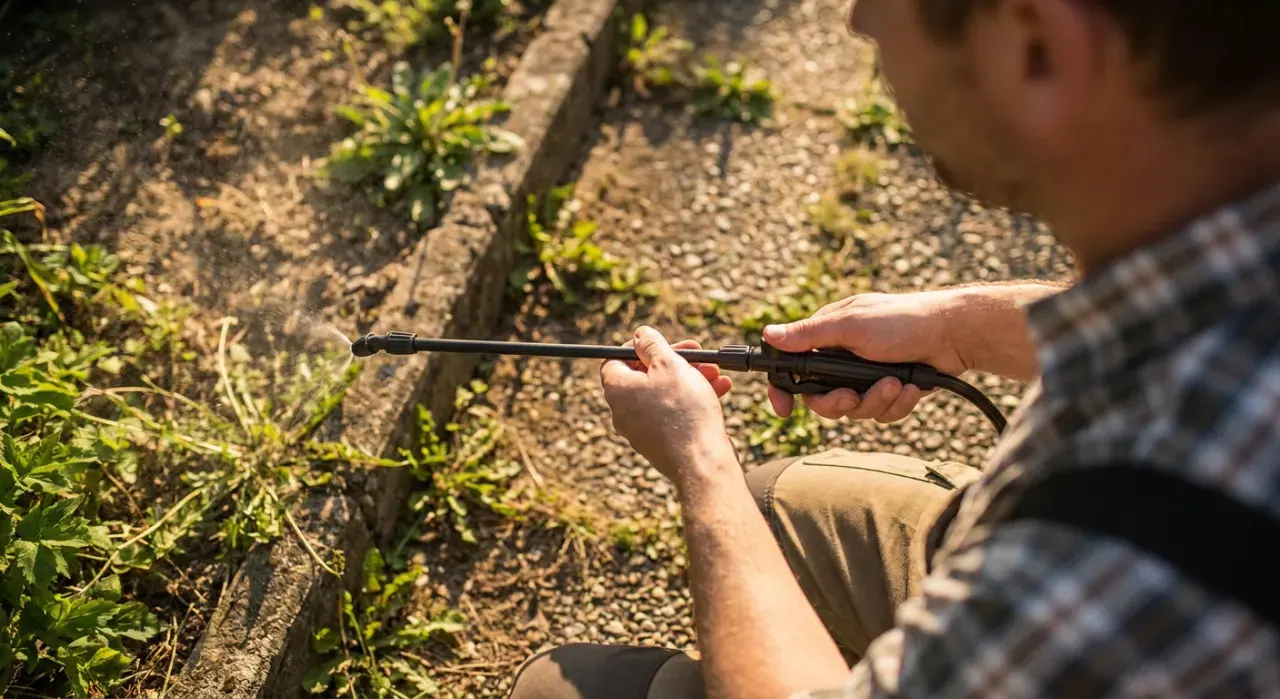
Handpicking Tomato Hornworms: The Most Effective Control
For a home garden, nothing beats handpicking. Because the caterpillars are large and there are usually not huge numbers on a few plants, a daily patrol clears them out.
- Inspect at dusk or early morning, when hornworms move to the outer leaves and are easier to see; a black light makes them glow.
- Look above frass piles and along the stems near stripped leaves.
- Pick them off by hand — they do not bite or sting despite the alarming horn — and drop them into a bucket of soapy water, or feed them to chickens.
- Check every day during peak season; a few minutes daily keeps a small tomato patch clear.
Bt for larger outbreaks
When you have many small hornworms or too many plants to handpick, Bt (specifically Bacillus thuringiensis var. kurstaki) is the standard organic control. It is a naturally occurring soil bacterium that, when eaten by a caterpillar, disrupts its gut and stops it feeding; it then dies within a few days. Bt is selective — it affects only caterpillars (moth and butterfly larvae) and is considered safe for humans, pets, bees, and other beneficial insects, which is why it is a mainstay of organic vegetable growing. Apply it to the foliage the caterpillars are eating, reapply after rain and every 5 to 7 days while feeding continues, and target young caterpillars, which are far more susceptible than large ones. Spinosad is another effective, low-toxicity option. For broader-spectrum products used on serious infestations, see best yard insect killer.

Protect the parasitic wasps
One of the best things you can do is nothing — when you find the right caterpillar. Braconid wasps (Cotesia species) lay eggs inside hornworms; the larvae feed within the caterpillar and then emerge to spin the white, rice-grain-like cocoons you see standing up on the hornworm’s back. That caterpillar is doomed and will barely feed again, and each cocoon produces an adult wasp that hunts down more hornworms. Leave any cocoon-covered hornworm in the garden so the wasps can complete their cycle and build your free biological workforce. Planting small-flowered nectar plants like dill, sweet alyssum, and borage supports these wasps and other beneficials.
Preventing hornworms next season
- Till the soil in fall and spring to destroy the overwintering pupae — university extensions report this can eliminate a large majority of them.
- Rotate nightshade crops so tomatoes, peppers, eggplant, and potatoes are not in the same bed year after year.
- Scout for eggs on leaf undersides early in the season and crush them.
- Encourage predators — parasitic wasps, lady beetles, lacewings, and green anoles or birds — by avoiding broad-spectrum insecticides and planting nectar sources.
- Interplant dill or basil as a monitoring and beneficial-supporting tactic; skip the marigold myth.
Caught early, hornworms are one of the most manageable garden pests, because they are big and few. For other vegetable-garden caterpillars and borers see how to get rid of cutworms and how to get rid of squash vine borers, and browse the full pest and weed control hub.