 Garden

Affiliate Disclosure
Some links on this page are affiliate links. As an Amazon Associate, we earn from qualifying purchases — at no extra cost to you. We do not buy, test, or physically handle the products we cover; our rankings come from aggregated owner reviews, ratings and expert consensus. Commissions never change our verdicts. How we rank · full disclosure.
To treat black spot on roses, focus on stopping its spread rather than curing spotted leaves: remove and destroy infected foliage, clean up fallen debris, water at the base in the morning to keep leaves dry, improve airflow, and apply a protective fungicide such as sulfur or copper on a regular schedule through the season. This rose-specific fungal disease shows as fringed black spots ringed by yellowing, and once a leaf is spotted it cannot heal, so the whole aim is protecting healthy tissue and preventing next year's infection.
We do not test or physically handle the plants and products we cover; our guidance draws on horticultural extension research and the aggregated experience in thousands of owner reviews, as explained in how we rank.
Identify Black Spot First
Black spot is the most common and damaging leaf disease of roses, and its symptoms are distinctive enough to diagnose with confidence. Look for roughly circular black spots on the upper surface of the leaves; the telltale detail is that their margins are feathery or fringed rather than crisp and round, which distinguishes black spot from other leaf spots. The leaf tissue surrounding each spot yellows, and as infection builds the whole leaf turns yellow and drops. Because the fungus tends to start on lower foliage, defoliation typically works upward from the base of the plant, and in a severe season a rose can lose most of its leaves by late summer.
You may also notice small, dark, slightly raised lesions on young green canes. A rose stripped of its leaves is weakened, blooms poorly, and enters winter stressed, which is why the disease matters beyond appearance. When you see fringed black spots surrounded by yellow halos, with leaves yellowing and dropping from the bottom up, you are dealing with black spot and can move to a management plan built on sanitation, cultural change, and protective fungicide.
Why treatment protects rather than cures
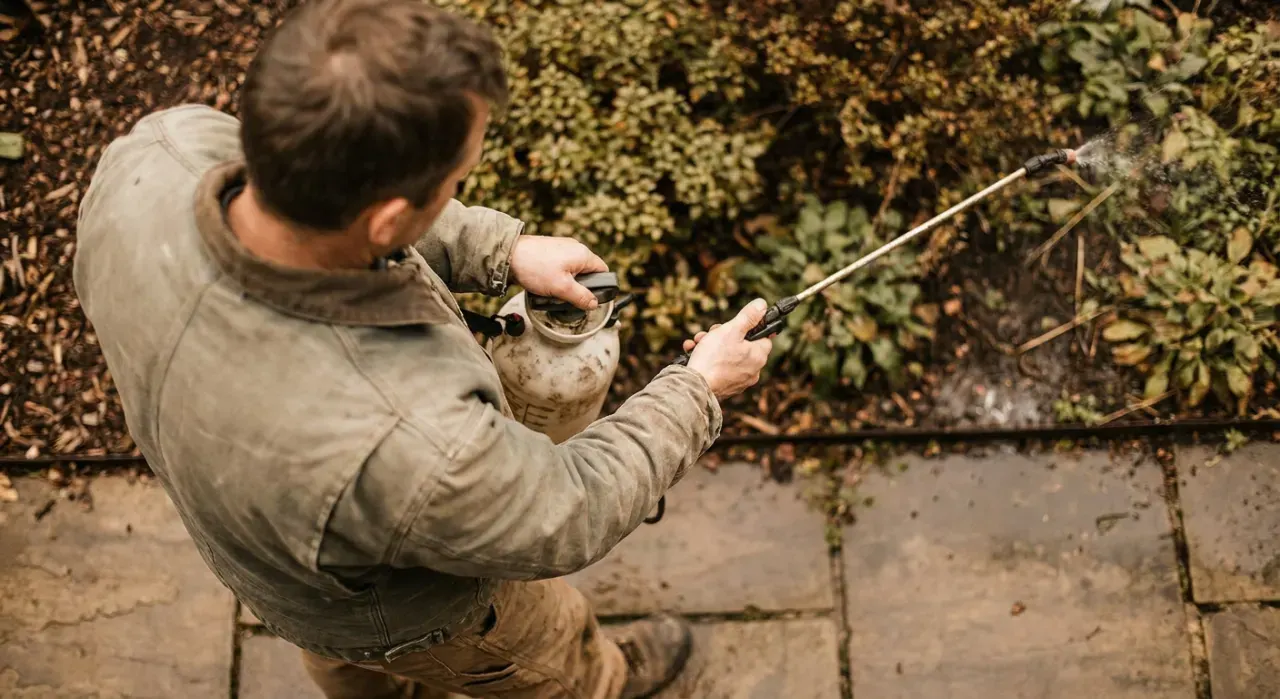
The single most important thing to grasp about black spot is that fungicides and sanitation cannot repair a leaf that is already spotted. The fungus infects tissue, the spots appear, and that leaf is permanently damaged. Everything you do is aimed at the healthy foliage the plant still has and at the infection cycle that would otherwise carry over into next year. Protective fungicides work by coating healthy leaves so that arriving spores cannot establish; they do nothing for existing lesions. This is why timing and consistency matter so much. Starting early, before or at the first sign of disease, and keeping fresh new growth protected through the season gives far better results than reacting once a plant is already heavily spotted.
Treating Black Spot, Least to Most Aggressive
Work from sanitation and cultural changes up to fungicides, since the non-chemical steps do much of the heavy lifting.
- Remove and destroy infected leaves — Pick off spotted leaves and rake up fallen ones. Do not compost them near roses; the fungus overwinters on this debris and on canes.
- Fix watering habits — Water at the base of the plant in the morning so foliage dries quickly. Overhead watering that wets leaves, especially late in the day, fuels infection.
- Improve airflow — Prune and space roses so air moves through the canopy, drying leaves faster and giving spores less chance to germinate.
- Mulch — A layer of mulch reduces spores splashing up from the soil onto lower leaves.
- Apply sulfur or horticultural oil — These traditional protectants shield healthy foliage. Start early and reapply on the label's schedule, including after rain.
- Apply copper or a labeled synthetic fungicide — For persistent pressure, copper-based products or a synthetic rose fungicide extend protection; rotating active ingredients slows resistance. Reserve heavier chemical use for susceptible roses under real disease pressure, and follow the label.
Comparing the control methods
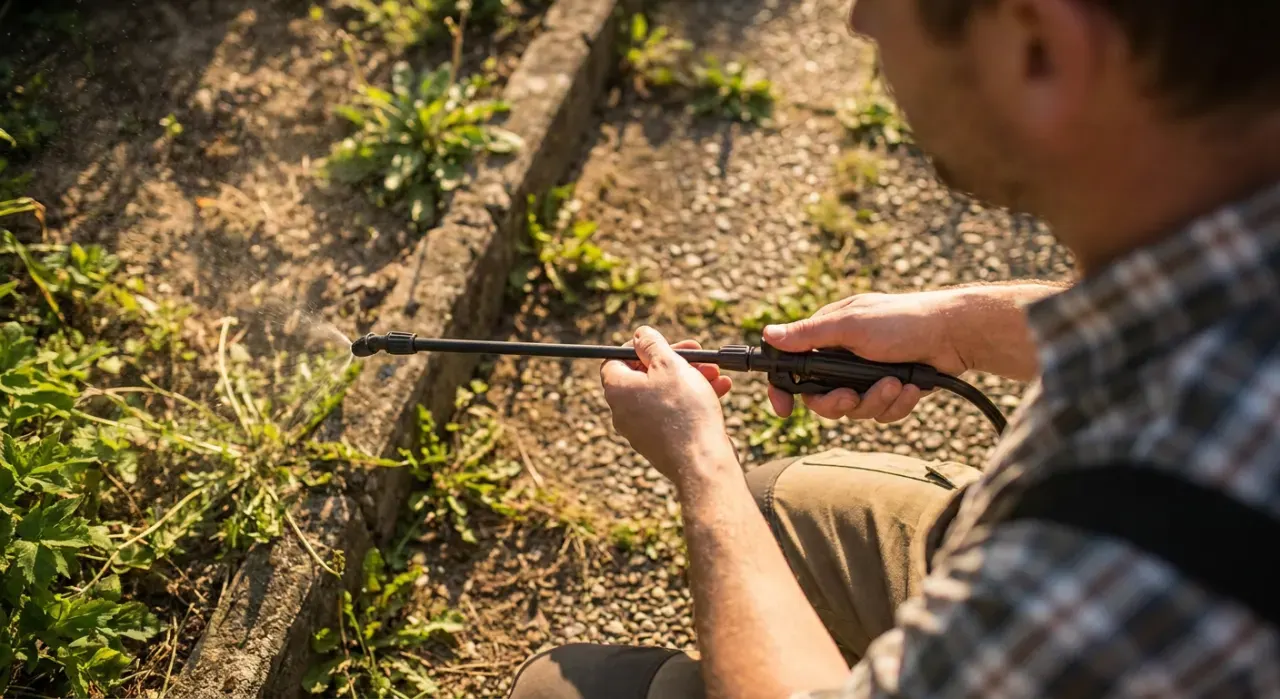
The table lays out what each measure does and where it fits.
| Method | What it does | Type | Note |
|---|---|---|---|
| Remove infected leaves | Cuts spore source | Sanitation | Destroy, do not compost nearby |
| Base watering, morning | Keeps leaves dry | Cultural | Avoid wetting foliage |
| Airflow pruning / spacing | Dries canopy faster | Cultural | Fewer spores germinate |
| Mulch | Reduces spore splash | Cultural | Refresh each season |
| Sulfur | Protects healthy tissue | Fungicide | Start early; reapply after rain |
| Copper | Protects healthy tissue | Fungicide | Rotate to slow resistance |
| Resistant varieties | Reduces need to spray | Preventive | Best long-term fix |
Under FIFRA the fungicide label is legally binding, listing the plants it is cleared for, the mixing rate, and the reapplication interval. Follow the label exactly, both to stay within the law and to get the protection the product is designed to give.
Choose resistant roses
The most effective long-term answer to black spot is often at the garden center, not the spray shelf. Rose breeders have developed many varieties with strong resistance to black spot, and planting these dramatically reduces how much intervention a garden needs. A resistant rose may show a few spots in a wet year but shrugs off the disease that would defoliate a susceptible one, sparing you the season-long fungicide schedule. If black spot is a chronic problem in your garden and a particular rose is perpetually bare by August, replacing it with a resistant variety can be far more satisfying than fighting the same losing battle each year. When adding roses, resistance is worth weighting heavily alongside color and form.
Preventing Black Spot Next Season
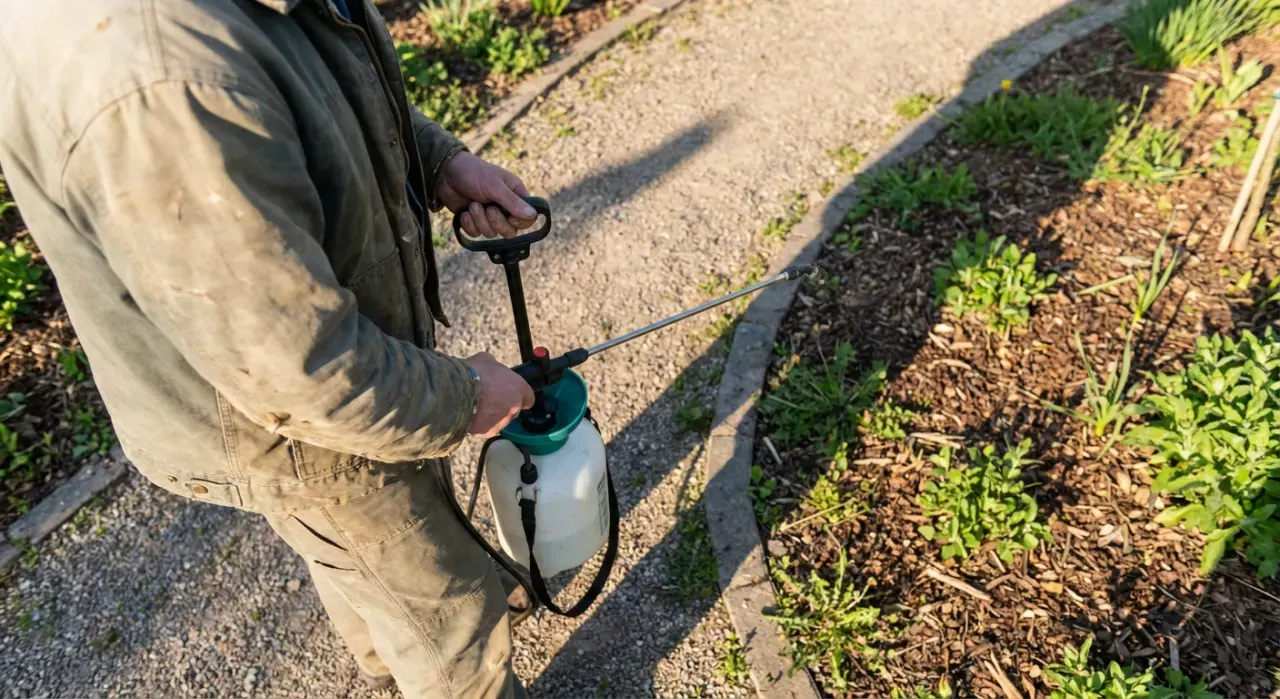
Because the fungus overwinters on fallen leaves and infected canes, fall and dormant-season cleanup is central to prevention. Rake and destroy all fallen rose leaves, and during dormant pruning remove any canes showing lesions. A dormant application of a labeled fungicide, where recommended for your region, reduces the overwintering spore load. In spring, begin protective sprays early on susceptible roses rather than waiting for spots to appear, and maintain the airflow, mulching and base-watering habits that keep leaves dry. Black spot thrives on warm, wet, humid conditions, so anything that shortens the time leaves stay damp is working in your favor. Stacked together, these practices keep the disease from ever gaining a foothold.
Building a spray schedule that works
If you are growing susceptible roses and have decided a fungicide program is warranted, how you run it matters as much as which product you choose. Because these products protect rather than cure, the goal is to keep an unbroken protective film on the foliage during the conditions that favor infection, warm, wet, humid weather. That means starting early, as the leaves flush in spring, rather than waiting for the first spots, and reapplying on the interval the label specifies, which is typically every one to two weeks and always again after significant rain has washed the last application off. New growth is unprotected until you coat it, so a program that lapses for a few weeks in midsummer leaves fresh leaves exposed just when pressure is highest. Rotating between fungicides with different modes of action across the season reduces the chance the fungus develops resistance to any one of them. Spray to cover both leaf surfaces thoroughly, since spores land on the tops but the film needs to be complete. Done consistently, a modest program keeps a vulnerable rose in leaf all season; done sporadically, even a good product disappoints, which is why many gardeners ultimately decide that a resistant variety is the lower-effort path.
Where to go next
For other common leaf diseases that can look superficially similar, compare how to treat rust on plants and how to treat downy mildew, since correct diagnosis changes the treatment. Everything sits under the Pest & Weed Control hub, and our method is explained on how we rank. Follow the label and check your local extension service for regional guidance.