 Garden

Affiliate Disclosure
Some links on this page are affiliate links. As an Amazon Associate, we earn from qualifying purchases — at no extra cost to you. We do not buy, test, or physically handle the products we cover; our rankings come from aggregated owner reviews, ratings and expert consensus. Commissions never change our verdicts. How we rank · full disclosure.
Apply spring pre-emergent when soil temperature at a 2-inch depth reaches about 50 to 55 degrees Fahrenheit and is holding there for several consecutive days — that range is associated with crabgrass germination, and the barrier must be in place first. For fall applications targeting winter annuals, apply as soil temperature falls to around 70 degrees. Measure soil, not air: the two diverge sharply in spring. Most state land-grant extension services publish live soil temperature maps for this decision.
What are the temperature thresholds?
Different weeds germinate in different soil temperature bands, which is why a single application never covers everything.
| Target weed | Soil temp at 2 in | Season |
|---|---|---|
| Crabgrass, summer annuals | 50–55 °F and rising | Spring |
| Goosegrass | 60–65 °F and rising | Late spring |
| Annual bluegrass (Poa annua) | ~70 °F and falling | Late summer / fall |
| Henbit, chickweed, bittercress | ~70 °F and falling | Fall |
Note that goosegrass germinates noticeably later than crabgrass. In regions where both are a problem, that gap is one of the main arguments for a split application, discussed in how long pre-emergent lasts.
Why measure soil rather than air?
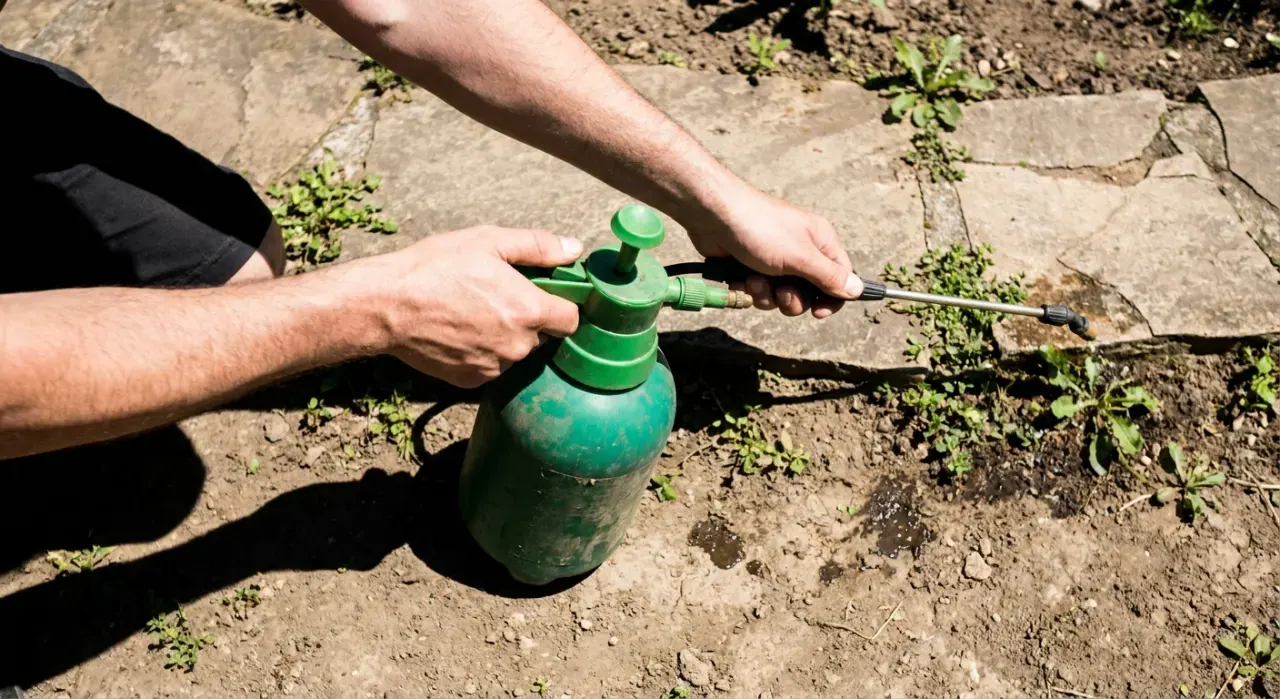
Because a seed sits in soil, and soil lags air by weeks. A stretch of 70 degree afternoons in March feels like spring but may leave soil at 2 inches still in the mid-40s, especially under shade or a thatch layer. The reverse happens too: a mild, wet winter can carry soil temperature up while the air still feels cold, and gardeners who go by the calendar apply weeks late. Take the reading in mid-morning with a soil thermometer pushed 2 inches into the turf, and take a second reading in the warmest part of the yard — a south-facing strip beside a driveway or a brick wall. Those spots cross the threshold first and germinate first, which makes them a useful early warning for the whole lawn.
Is it better to be early or late?
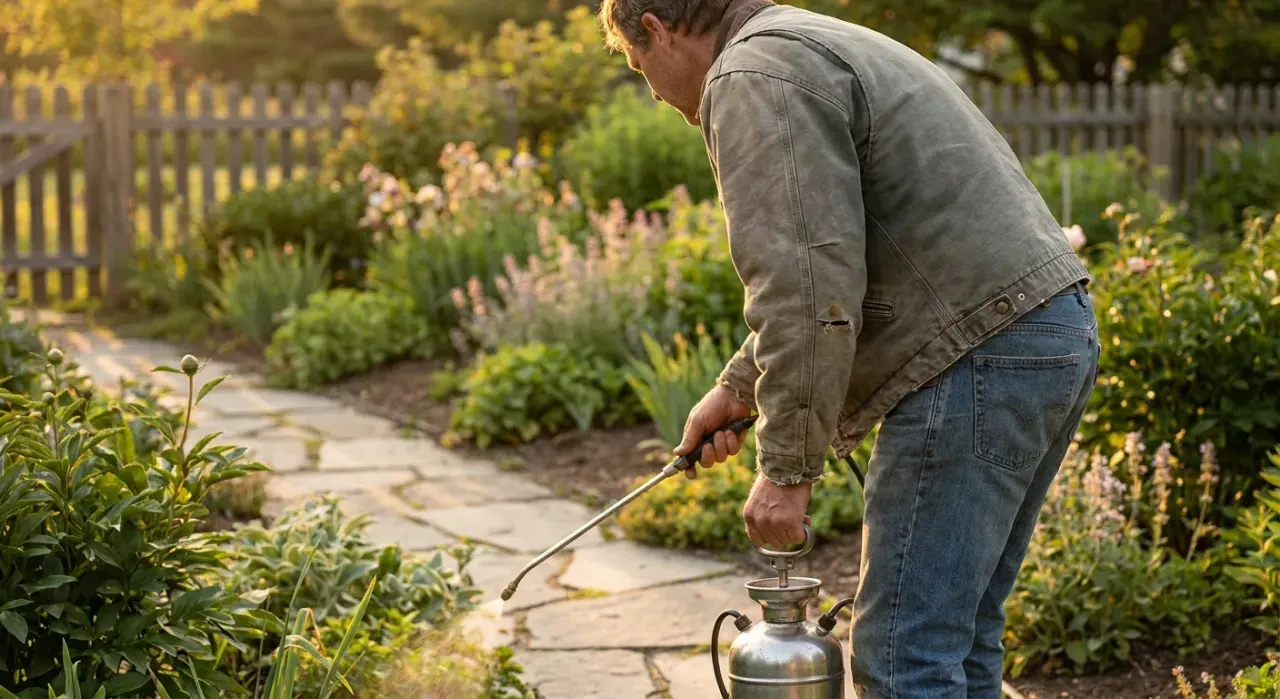
Slightly early, always. Late is the failure that cannot be undone: once crabgrass has germinated, the barrier does nothing to it, and you are into post-emergent territory. Extension guidance generally advises applying a little ahead of the threshold rather than waiting to confirm it, because confirmation means germination has already started somewhere. The cost of being early is real but smaller — the residual runs 6 to 12 weeks for most products, so applying three weeks ahead of germination spends part of the protection on bare ground and can leave a late-season gap. Weeks early is a waste; a few days early is insurance. The full timing picture, including regional date windows, is in when to apply pre-emergent herbicide.
Is there a temperature that is too hot to apply?
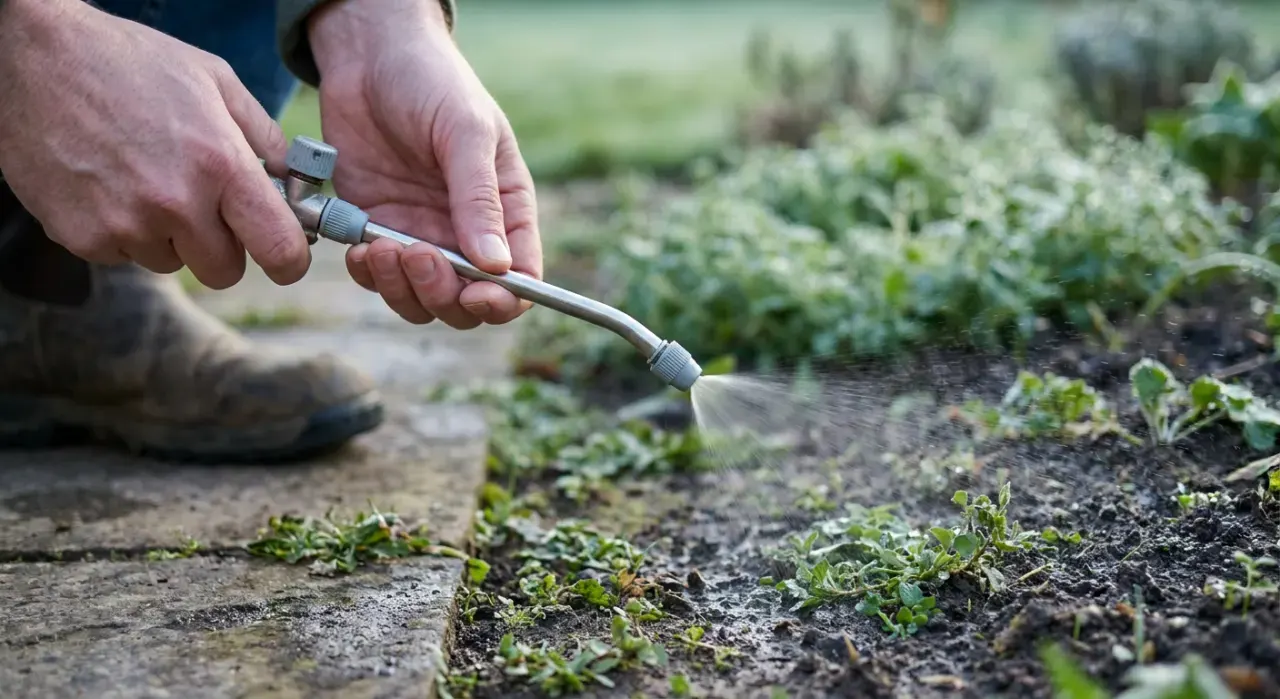
The limit comes from the turf rather than the herbicide. Many labels caution against applying to lawns under drought or heat stress because of the risk of turf injury, and a hot, dry soil surface can degrade some actives before irrigation moves them into place. In practice, high summer is simply the wrong time anyway: the spring window has closed and the fall window has not opened. If you must apply in warm conditions, water the lawn beforehand so it is not stressed, apply in the cooler part of the day, and irrigate the product in promptly with the quarter to half inch most labels require.
What happens after you spread it
Temperature gets you to the right day; watering-in gets you the barrier. Most granular pre-emergents need roughly a quarter to a half inch of irrigation or rainfall within a few days to release the active from the granule into the top inch of soil. After that, do not disturb the soil — raking, digging or core aeration breaks the layer and opens germination gaps. And do not seed, because the barrier stops grass seed as effectively as weed seed; see does pre-emergent kill existing weeds for what it can and cannot do.
Follow the label, which is legally binding in the United States, and use your state extension service for local soil temperature data. We never buy, apply or physically handle the products we rank — our method is on how we rank.
More from this hub: Pest & Weed Control · Best pre-emergent herbicides · Best temperature to spray weed killer · How we rank