 Garden

Affiliate Disclosure
Some links on this page are affiliate links. As an Amazon Associate, we earn from qualifying purchases — at no extra cost to you. We do not buy, test, or physically handle the products we cover; our rankings come from aggregated owner reviews, ratings and expert consensus. Commissions never change our verdicts. How we rank · full disclosure.
A drill uses steady rotary torque to bore holes and drive screws with fine, clutch-controlled precision; an impact driver adds bursts of rotational hammering that deliver far more turning force, making it the tool for long screws, lag bolts and stubborn fasteners. The drill has a chuck and adjustable clutch for control and larger bits; the impact driver has a quick-release 1/4-inch hex collet and brute driving power. They overlap, but each is clearly better at its own job, which is why many workshops keep both.
How does a drill work?
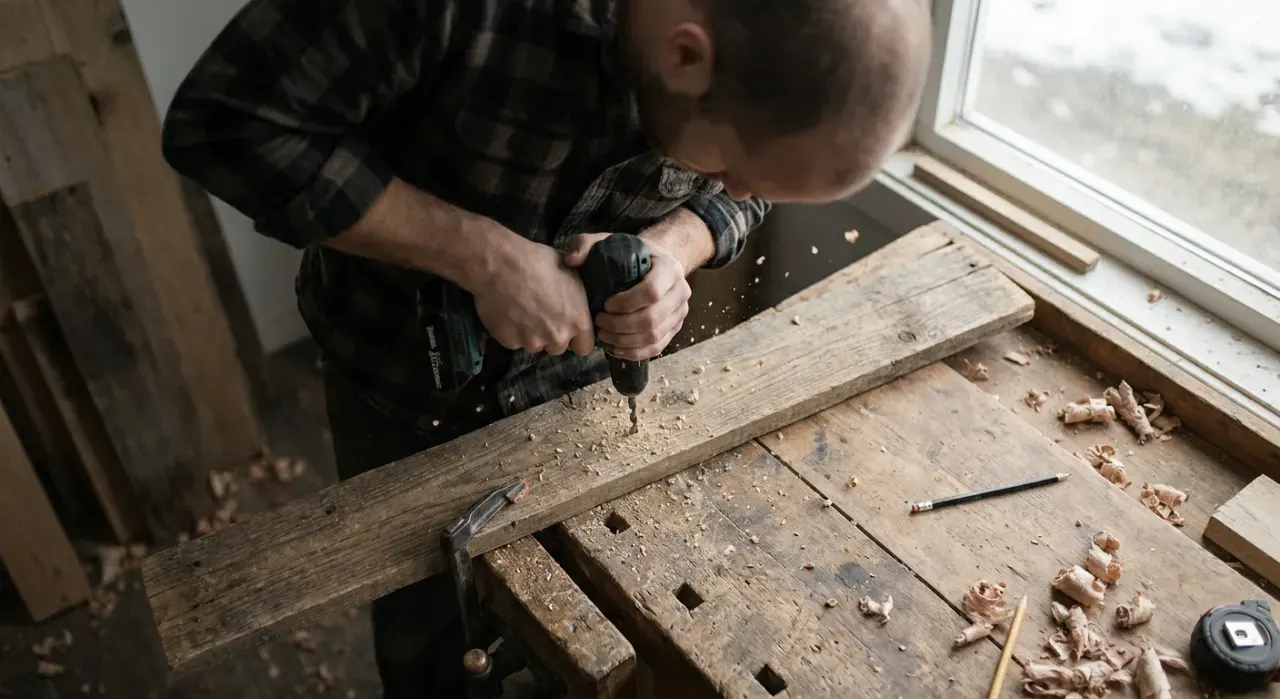
A drill/driver applies smooth, continuous rotary force. Its defining features are a chuck — keyed or keyless — that clamps round-shank drill bits of many sizes, and an adjustable clutch that lets you set a torque limit so the tool disengages before it overdrives a screw or strips a head. That combination is what makes it precise: you can bore a clean pilot hole, run a large spade or hole-saw bit, and seat screws to a controlled depth. The drill is the generalist, and for hole-making and delicate driving it is the better choice.
How does an impact driver work?
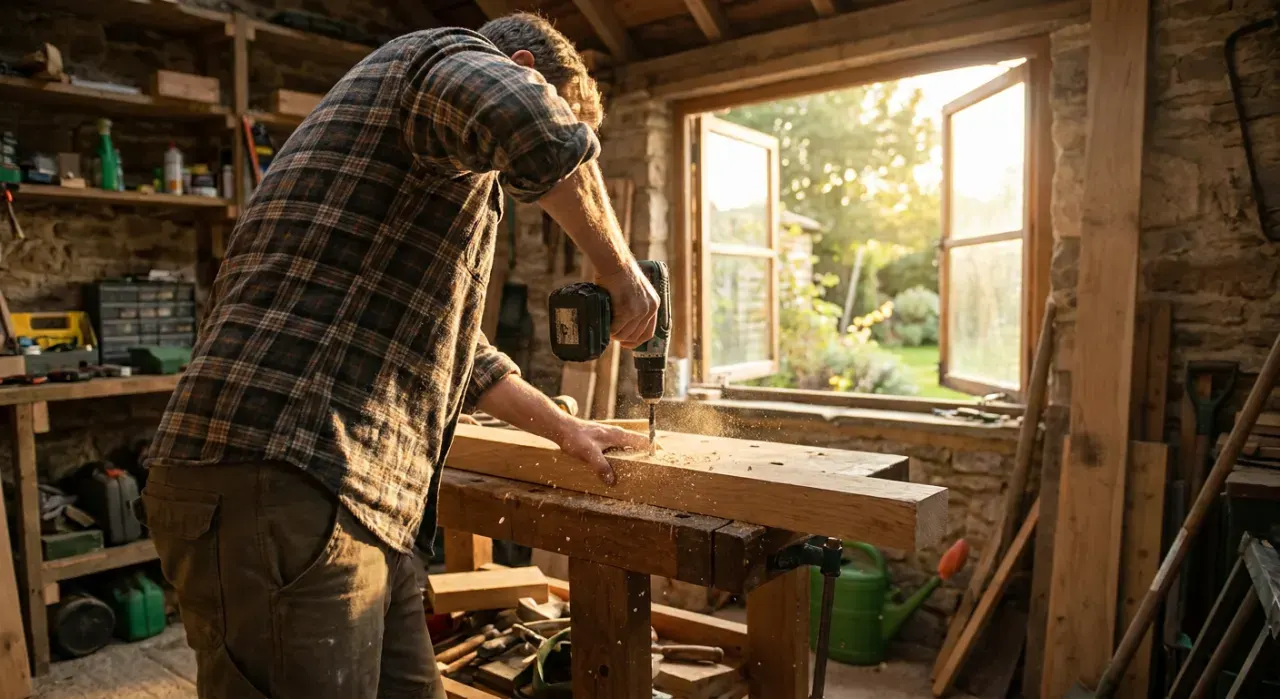
An impact driver spins like a drill until it meets resistance, then engages an internal hammer-and-anvil that delivers rapid rotational blows in the direction of turning. Those pulses stack extra torque onto the rotation in short bursts, so a compact impact driver drives a long lag screw that would stall a similarly sized drill, and it does it without you having to push hard behind the tool. The impacts also keep the bit seated in the screw head, reducing cam-out. The cost is less finesse, plus more noise and vibration — it is a driving specialist, not a precision instrument.
Drill vs impact driver at a glance
| Drill / driver | Impact driver | |
|---|---|---|
| Force | Steady rotary torque | Rotary + hammering bursts |
| Bit holder | Chuck (round + hex shanks) | 1/4" hex quick-release collet |
| Clutch | Adjustable, for control | None |
| Best at | Drilling holes, precise driving | Long screws, lag bolts, high torque |
| Control / finesse | High | Lower; more noise and vibration |
| Bits | Standard drill and driver bits | Impact-rated hex-shank bits only |
Which one do you use when?
Reach for the drill when you are boring holes of any size, driving into delicate material, or need the clutch to set a consistent screw depth. Reach for the impact driver when you are running a lot of screws, sinking long deck or framing screws and lag bolts, or backing out a fastener the drill stalls on. Note the bit rule: the impact driver takes only 1/4-inch hex-shank bits, and its repeated impacts can shatter standard bits, so use impact-rated accessories. Standard round-shank drill bits will not fit its collet.

Which should you buy first?
If budget allows only one tool, start with a drill/driver — it drills and drives with clutch control and covers the broadest range of everyday jobs. Add an impact driver second when you find yourself driving many or long fasteners and want the extra power and less arm fatigue. Because the two share a battery platform on most brands, a two-tool combo kit is often the best value and the setup most workshops end up with.
Where to go next
Shopping for either tool? The best cordless drills and the best impact drivers rank current models on the ratings and complaints owners report. A common follow-up — whether an impact driver can remove lug nuts — covers where its torque falls short. Everything sits under the power tools and workshop hub.
We never buy or physically test the products we rank — recommendations come from aggregated owner reviews and expert consensus, and the method is on how we rank. Follow each tool’s manual for correct bits and use.