 Garden
Affiliate Disclosure
Some links on this page are affiliate links. As an Amazon Associate, we earn from qualifying purchases — at no extra cost to you. We do not buy, test, or physically handle the products we cover; our rankings come from aggregated owner reviews, ratings and expert consensus. Commissions never change our verdicts. How we rank · full disclosure.
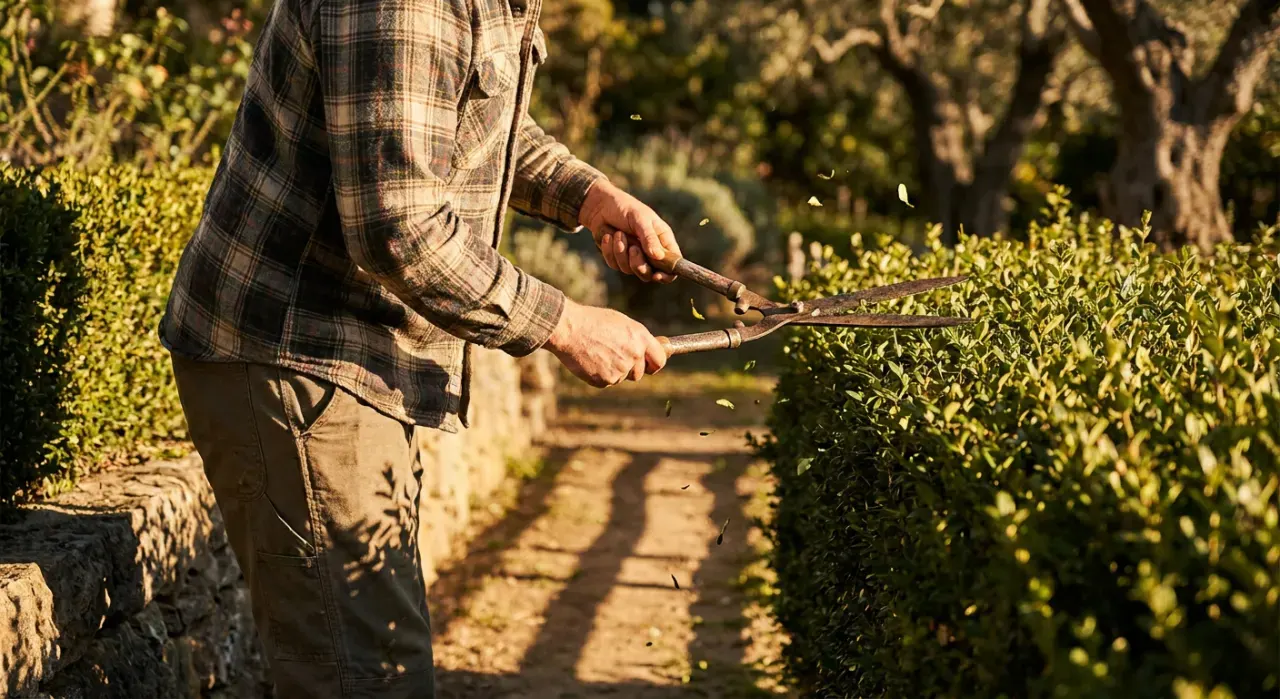
The short version: after weighing six popular loppers on owner star ratings, review volume, cutting capacity, leverage mechanism, weight and the failure patterns that appear after a few seasons, our #1 pick is the Fiskars 32-inch PowerGear2 bypass lopper. Its cam mechanism does real work — the same branch that makes a straight-pivot lopper an argument comes off in one squeeze — and its coated blade resists the sap build-up that ruins cheaper tools.
Loppers occupy a specific slot in the pruning kit: anything under about three-quarters of an inch belongs to hand pruners, anything over about two inches belongs to a saw, and loppers own the gap between. Get that boundary wrong and you either damage the tool or make a ragged cut. Timing matters as much as the tool: University of Minnesota Extension puts the late dormant season, late winter to early spring, as the best window for most pruning, because branch structure is visible and most insects and disease organisms are inactive. For the branches above the lopper range, see best pruning saws; for anything overhead, best pole saws. The full picture is on the pruning and hedges hub.
Top Picks at a Glance
Our #1 Pick: Fiskars 32 in. PowerGear2 Bypass Lopper
The PowerGear2 mechanism is the reason this lopper keeps winning. A conventional lopper pivots on a single bolt, so the mechanical advantage you get is fixed and lowest exactly where you need it most — at the start of the cut, when the blade is meeting bark. The PowerGear cam changes the leverage ratio continuously through the stroke, delivering the most force at the point of highest resistance. The practical result is that branches that would need a heave and a twist come off in a single controlled squeeze.
Consensus Score █████████░ 9.0 — owners consistently describe the reduced effort as the reason they stopped using their old loppers
The blade is the other half. Fully hardened steel with a low-friction coating means it glides rather than drags, and — more importantly for anyone pruning fruit trees or conifers — sap does not build up on it the way it does on bare steel. At 32 inches the handles give enough reach for most standing work on shrubs and small trees. The recurring caution in its reviews is the same one that applies to every lopper: respect the capacity rating, because twisting the handles to force an over-thick branch is what bends blades.
Check price on Amazon → (paid link)
Best Loppers 2026: The Ranked Field

Best for live branches up to about 2 in. on almost any shrub or small tree
- PowerGear2 cam mechanism multiplies leverage
- Cuts live wood up to about 2 in. thick
- Low-friction coated hardened steel blade
- Oval handles with SoftGrip contact points
Why buy it: the gear mechanism turns cuts that need a two-handed heave on a straight-pivot lopper into a single clean squeeze.
Best for reaching into the middle of a shrub without crawling in after it
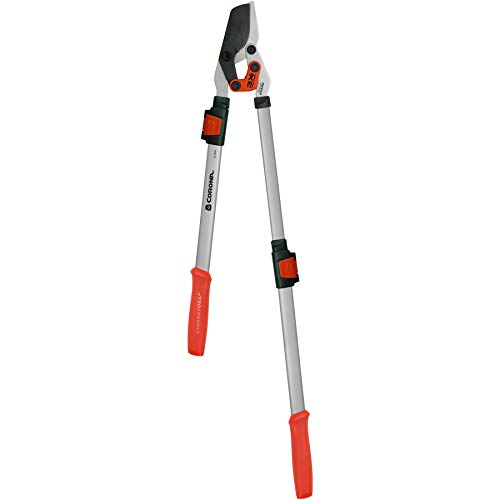
- Handles extend to about 37.5 in.
- DualLINK compound pivot for extra force
- Cuts up to about 1.75 in. diameter
- Replaceable blade and parts
Why buy it: telescoping handles let you start short for control in tight growth, then extend for the branch at the back.

Best for dry, dead and woody branches that jam a bypass blade
- Compound lever system multiplies force roughly threefold
- Cuts dead wood up to about 2 in.
- Hardened carbon steel blade against a flat anvil
- Shock-absorbing bumpers reduce jarring
Why buy it: an anvil head splits dry wood that a bypass blade would simply wedge itself into and stick.

Best for orchard and hedgerow work where loppers are used weekly, not yearly
- Forged steel bypass head, fully serviceable
- Replaceable blade, bolt and bumpers
- Heavy-gauge handles built for daily use
- Cuts live wood to about 1.5 in.
Why buy it: every wearing part unbolts and can be replaced, so the tool is repairable rather than disposable.

Best for general garden pruning where a 32 in. lopper is unwieldy
- PowerGear2 compound action
- Cuts up to about 1.75 in. diameter
- Lighter and easier to steer than a 32 in. tool
- Hardened steel blade with low-friction coating
Why buy it: most home pruning is chest-height on shrubs, and a 25-inch lopper does it with far less fatigue.

Best for dense shrubs, roses and anywhere long handles cannot fit
- Cuts up to about 1.5 in. diameter
- Short handles for congested growth
- PowerGear2 mechanism keeps effort low
- Light enough for one-handed positioning
Why buy it: inside a thicket, a short lopper makes cuts a long one physically cannot reach.
Quick Comparison
| Product | Best for | Rating | Price | Buy |
|---|---|---|---|---|
| Fiskars 32 in. PowerGear2 Bypass Lopper | Best Overall | — | Check (paid link) | |
| Corona SL 4364 DualLINK Extendable Bypass Loppers | Best Extendable Reach | — | Check (paid link) | |
| TABOR TOOLS GG12A 30 in. Compound Action Anvil Lopper | Best Anvil for Deadwood | — | Check (paid link) | |
| Corona SL 6500 32 in. Super Duty Bypass Lopper | Best Premium Heavy Duty | — | Check (paid link) | |
| Fiskars 25 in. PowerGear2 Lopper | Best Value Mid-Size | — | Check (paid link) | |
| Fiskars 18 in. PowerGear2 Lopper | Best Compact | — | Check (paid link) |
How We Rank
We do not buy, test or physically handle these loppers. We rank them by aggregating owner star ratings and review counts across the category, weighting recent reviews above launch-window ones, cross-checking stated cutting capacity, blade material, handle length and mechanism type against manufacturer specifications, and reading negative reviews closely for failures that appear after a season or two of real use.
Four things set the order. Effort per cut, which is what compound and cam mechanisms exist to reduce and what owners notice first. Blade quality and coating, because a blade that gums up or dulls quickly makes every subsequent cut worse. Durability at the pivot — bent blades, loose bolts and cracked handle joints are the standard failure modes. And serviceability: a lopper with replaceable blades and bumpers is a ten-year tool, while one with riveted parts is a consumable. Prices were checked at time of writing and move seasonally. Full method: how we rank.
The Loppers, Reviewed
1. Fiskars 32 in. PowerGear2 — Best Overall
Covered above. Consensus Score █████████░ 9.0. Strengths: genuinely reduced cutting effort, coated blade that resists sap, comfortable oval handles, and a very large review base that makes the rating reliable. Recurring complaints: weight and length — at 32 inches it is tiring to hold at shoulder height, and several owners keep a shorter lopper for detailed work. The most common hardware complaint is a bent blade from over-capacity cuts. A minority report the gear housing developing play after heavy use.
2. Corona SL 4364 DualLINK Extendable — Best Extendable Reach
Telescoping handles change what a lopper can do. Retracted, it is a compact tool you can steer inside a congested shrub; extended to around 37 inches it reaches the branch at the back of a border without you climbing into it. The DualLINK compound pivot adds mechanical advantage, and Corona sells replacement blades and parts, which puts it in the repairable rather than disposable category.
Consensus Score ████████░░ 8.6 — owners rate the reach and serviceability highly; capacity is the common reservation
Recurring complaints: the extension locks are the weak point, and reviewers report them slipping under load once grit gets into the mechanism. Cutting capacity is lower than the big Fiskars, so it is a reach tool rather than a heavy-cutting one. It is also heavier than a fixed lopper of the same length, which is the price of the telescoping tubes.
3. TABOR TOOLS GG12A Anvil Lopper — Best Anvil for Deadwood
The tool most gardens are missing. Dry, dead wood does not compress, so a bypass blade wedges in and stops — which is exactly when people start twisting handles and bending blades. An anvil head splits dead wood instead, and the compound lever system here multiplies applied force roughly threefold, which makes short work of branches up to about two inches. Shock bumpers take the jarring out of the moment the cut breaks through.
Consensus Score ████████░░ 8.5 — owners clearing storm damage and dead limbs rate it highest
Recurring complaints: it crushes live stems, which is a property of anvil heads rather than a fault, but buyers who did not understand the distinction account for many low ratings. It is heavy, and the handles are long enough to be awkward in dense growth. A minority report the anvil plate deforming after heavy use on very hard wood.
4. Corona SL 6500 Super Duty — Best Premium Heavy Duty
The professional choice, and the one built to be maintained rather than replaced. Forged steel bypass head, heavy-gauge handles, and — the part that matters over a decade — a bolt-together design where the blade, the pivot bolt and the bumpers are all replaceable parts you can buy. Orchard and landscape crews buy these because a tool used weekly wears out, and a tool that can be rebuilt does not need buying twice.
Consensus Score ████████░░ 8.7 — the consensus among frequent users favors it strongly on durability
Recurring complaints: price and weight. It is noticeably heavier than the Fiskars and costs more, which is hard to justify for someone pruning twice a year. Stated capacity is lower than some lighter loppers because the rating is conservative. A minority report the handle grips wearing before anything structural does, which is a cheap fix.
5. Fiskars 25 in. PowerGear2 — Best Value Mid-Size
The size most home gardeners should probably own. Most domestic pruning happens between knee and chest height on shrubs, roses and small fruit trees, and a 25-inch lopper does that work with markedly less fatigue than a 32-inch tool while giving up very little capacity. Same cam mechanism, same coated blade, less weight to swing all afternoon.
Consensus Score ████████░░ 8.8 — very high satisfaction, with reach the only recurring limitation
Recurring complaints: reach, unsurprisingly — owners with tall shrubs or overhead branches find themselves wanting the 32-inch version or a pole saw. Capacity is slightly lower. The same over-capacity blade bending shows up in negative reviews, as it does across the whole Fiskars lopper line.
6. Fiskars 18 in. PowerGear2 — Best Compact
A specialist that earns its place in a shed. Inside a dense shrub, on a rose, or working close to a wall, long handles simply cannot be positioned — and a compact lopper makes cuts a big one physically cannot reach. It bridges the gap between hand pruners and a full lopper, handling stems up to about an inch and a half without switching tools.
Consensus Score ████████░░ 8.4 — rated highly for what it is, with capacity the obvious limit
Recurring complaints: limited capacity and limited leverage compared with the longer models — short handles mean less mechanical advantage regardless of the gear mechanism. Owners who bought it as their only lopper are the source of most low ratings. As a second lopper alongside a 25 or 32-inch tool, it is very well liked.
How to Choose Loppers
Start with head type. Buy a bypass lopper first — it makes clean cuts on living wood, which is what most pruning is, and a crushed stem heals badly and invites disease — UW-Madison Extension covers what a correct pruning cut looks like and why stubs and flush cuts are wrong. Add an anvil lopper if you regularly clear deadwood, storm debris or old hedge stems, because that is where bypass blades jam.
Then choose the handle length honestly. A 32-inch lopper gives reach and leverage and is tiring to hold up for an hour. A 25-inch tool is the sweet spot for general garden work. An 18-inch tool is for congested growth. If you genuinely need one lopper for everything, take the 25 or 32 inch and accept it will not fit everywhere.
Finally, look at what happens when it wears out. Loppers with replaceable blades, bolts and bumpers can be rebuilt indefinitely; riveted budget loppers cannot. And treat the stated cutting capacity as a ceiling on soft green wood — for anything approaching it in seasoned hardwood, reach for a saw instead. That single habit prevents most of the bent blades and broken pivots in this category.
What Owners Actually Complain About
Five complaints recur across every brand here. Bent or misaligned blades lead, and the cause is almost always over-capacity cuts finished with a twist — the tool is being asked to do a saw's job. Blades sticking and gumming come second, which is sap and rust rather than dullness, and a wipe-and-oil habit prevents it entirely.
Loose pivot bolts are third and are simple maintenance: check and snug the bolt each season, because a loose pivot lets the blade drift past the hook and stop cutting cleanly. Handle fatigue is fourth, and it is a sizing problem — people buy the longest lopper on the shelf and then hold it overhead. And grips wearing or peeling is fifth, cosmetic on most tools but genuinely uncomfortable once it starts. None of these are exotic, and four of the five are avoidable.
The Verdict
For most gardens, the Fiskars 32-inch PowerGear2 is the lopper to buy — the least effort per cut of anything here and a review base large enough to trust. Doing mostly shrub-height work? The 25-inch version is easier to live with. Clearing deadwood or storm damage? Add the Tabor Tools anvil. Pruning weekly? The Corona SL 6500 can be rebuilt rather than replaced. Working inside dense shrubs? The 18-inch Fiskars.
Check price on Amazon → (paid link)
Next: handle the branches above lopper capacity with best pruning saws, reach the high ones with best pole saws, shape hedges with best hedge trimmers, or make sure the cuts are in the right place with how to prune shrubs properly.