 Garden
Affiliate Disclosure
Some links on this page are affiliate links. As an Amazon Associate, we earn from qualifying purchases — at no extra cost to you. We do not buy, test, or physically handle the products we cover; our rankings come from aggregated owner reviews, ratings and expert consensus. Commissions never change our verdicts. How we rank · full disclosure.
To declutter your home, work one small zone at a time using the four-box method (keep, donate, trash, relocate), decide fast with a one-year use rule, and remove the donate and trash bags the same day. Start with an easy, visible space to build momentum, save sentimental items for last, and declutter before you buy any organizing products. The purge is the event; a few small daily habits are what keep the home clear afterward. Done in short focused sessions, decluttering is far less overwhelming than a single exhausting weekend.
We do not physically stage the homes we write about; this method distills professional-organizer consensus and behavioral research on decision-making and habits, in line with how we rank. Follow the steps below and adapt the pace to your life.
Before You Declutter Your Home: The Right Mindset and Setup
Decluttering fails more often from approach than from effort. Set yourself up to finish rather than to burn out.
- Declutter before you organize. Never buy bins first; you will almost always need less storage than you think once you have removed what you do not use.
- Work in short sessions. Twenty to thirty focused minutes with a timer beats an eight-hour marathon that ends in a half-sorted mess.
- Finish what you start. Complete one drawer or shelf before opening the next, so every session ends in a visible win.
- Remove discards the same day. Bagged donations left in the hallway quietly migrate back onto shelves.
The four-box method
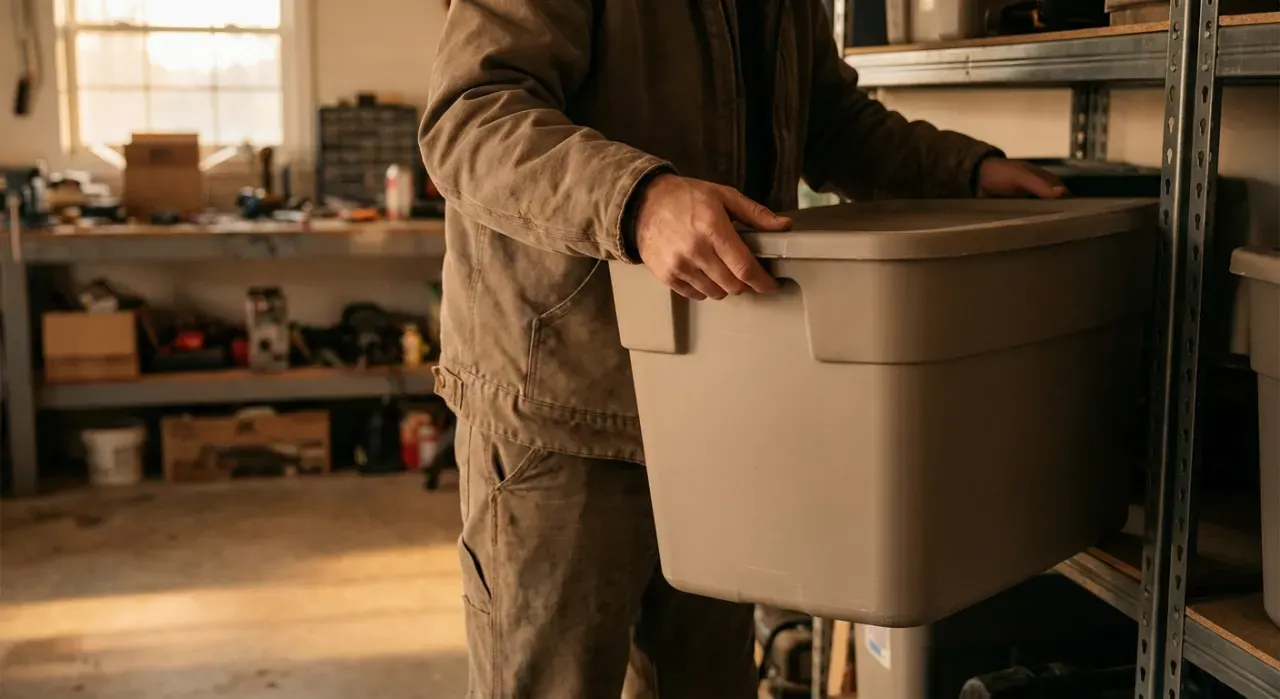
The core technique is simple and fast because every item gets an immediate destination, which stops the endless re-handling that stalls most people. Set out four containers before you begin.
| Box | What goes in it | Then |
|---|---|---|
| Keep | Used, loved, or genuinely needed items | Return to a designated home |
| Donate | Good condition, unused by you | Drop off within a day or two |
| Trash / recycle | Broken, expired, unusable | Remove same day |
| Relocate | Belongs in another room | Move at session end, not mid-sort |
Touch each item once, decide, and drop it in a box. Do not wander to another room to put a relocate item away mid-session; that is how a 20-minute drawer becomes a two-hour detour.
How to decide what to keep
Speed comes from a clear rule you apply without agonizing. Run each item through a quick test:
- Have I used this in the past year? If not, and it is not seasonal, it is a strong candidate to go.
- Would I buy it again today at full price? If no, you probably do not value it.
- Does it work, fit, and have a place to live? Broken, ill-fitting, or homeless items add clutter.
For genuine maybes, use a holding box: seal uncertain items in a dated box, and if you have not reached for anything after six months, donate it unopened. This resolves indecision without forcing a permanent choice in the moment.

A Room-by-Room Decluttering Order
Sequence matters. Begin where success comes fast and leave the emotionally heavy categories until you have built decision-making stamina.
| Order | Space | Why here |
|---|---|---|
| 1 | Bathroom / linen closet | Easy, unsentimental, fast visible win |
| 2 | Kitchen | Expired food and duplicate gadgets go quickly |
| 3 | Bedroom and closet | Clothes respond well to the one-year rule |
| 4 | Living areas | Surfaces and media clear fast |
| 5 | Garage / storage | Bigger job; see the garage guide below |
| 6 | Sentimental items | Last, when your decision muscle is strong |
Kitchen and closet specifics are covered in how to organize kitchen cabinets and how to organize a small closet, and the garage in how to organize a garage.
Tackling paper and digital clutter
Paper is the clutter that regenerates fastest, and it deserves its own approach. Most of it can go.
- Sort into act, file, and shred. Most mail is shred; only a small share needs filing.
- Keep tax records seven years, and shred anything with account numbers or personal details rather than tossing it whole.
- Go paperless for statements and bills to cut the inflow at the source.
- Handle mail the day it arrives, standing over the recycling bin, so it never becomes a pile.
The same principle applies to digital clutter: unsubscribe from the emails that create noise rather than repeatedly deleting them.
Then organize what remains
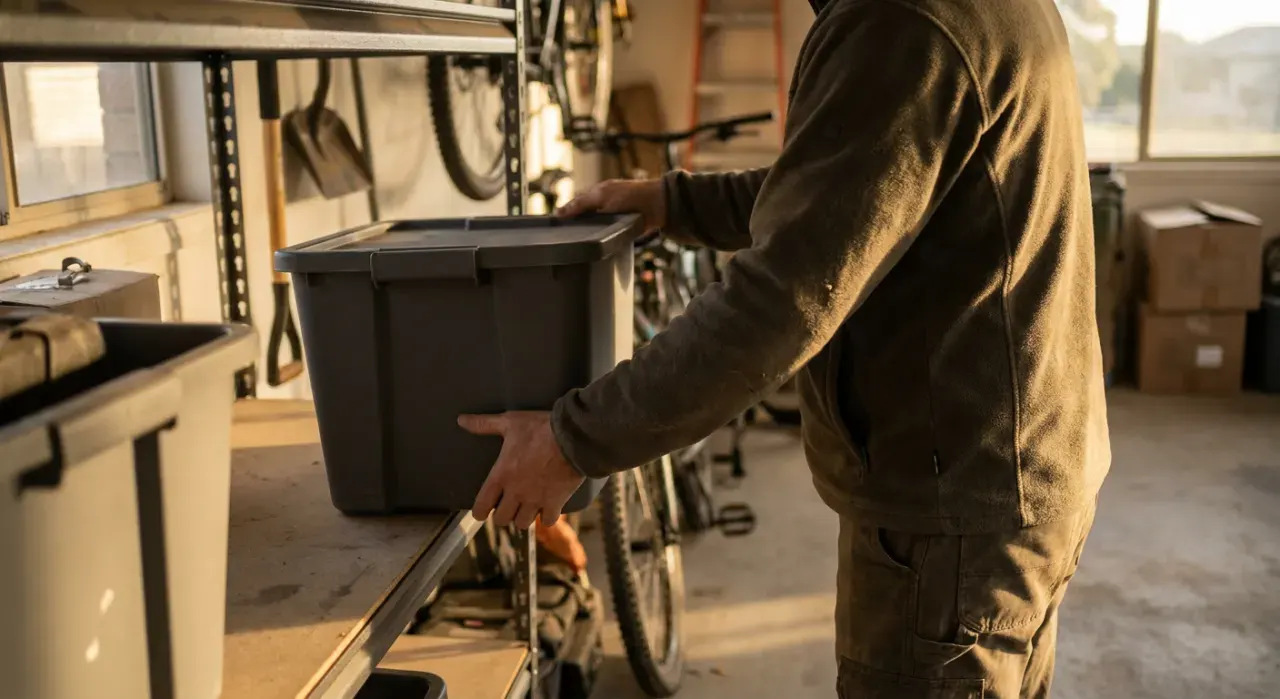
Only after decluttering does it make sense to organize, and now you know exactly how much storage you actually need. Give every category a logical, labeled home so there is no default dumping ground.
- Store items where you use them, not where there happens to be space.
- Contain small items in bins or drawer organizers; see how to install drawer organizers.
- Label so the system survives you, per how to label storage bins.
- Keep frequently used things within easy reach and rare items up high or down low.
Our bin picks are in best storage bins and best closet organizer.
Keeping Your Home Clutter-Free
The purge only lasts if you slow the inflow. A handful of habits do most of the work.
- One in, one out. A new item means an old one leaves, especially for clothes and gadgets.
- A five-minute nightly reset. Return stray items to their homes before bed so nothing accumulates.
- A donation box on standby. Drop things in as you notice them and take it out when full.
- Pause before buying. Ask where an item will live before it comes home.
Staying decluttered is a set of small habits, not a second big purge. For more, browse the storage and organization hub, and see our approach in how we rank.