 Garden
Affiliate Disclosure
Some links on this page are affiliate links. As an Amazon Associate, we earn from qualifying purchases — at no extra cost to you. We do not buy, test, or physically handle the products we cover; our rankings come from aggregated owner reviews, ratings and expert consensus. Commissions never change our verdicts. How we rank · full disclosure.
A bagged vacuum collects dust in a disposable sealed bag you lift out and bin with little dust escaping, which is best for allergy sufferers but costs money in refills; a bagless vacuum empties a reusable bin for free, saving money but exposing you to a puff of dust each time and requiring regular filter cleaning to keep suction up. Choose bagged if allergies, easy disposal, or larger capacity matter. Choose bagless to avoid ongoing bag costs and never run out of bags. Both are sold with HEPA filtration, so the emptying method is the real deciding factor.
How they collect and release dust
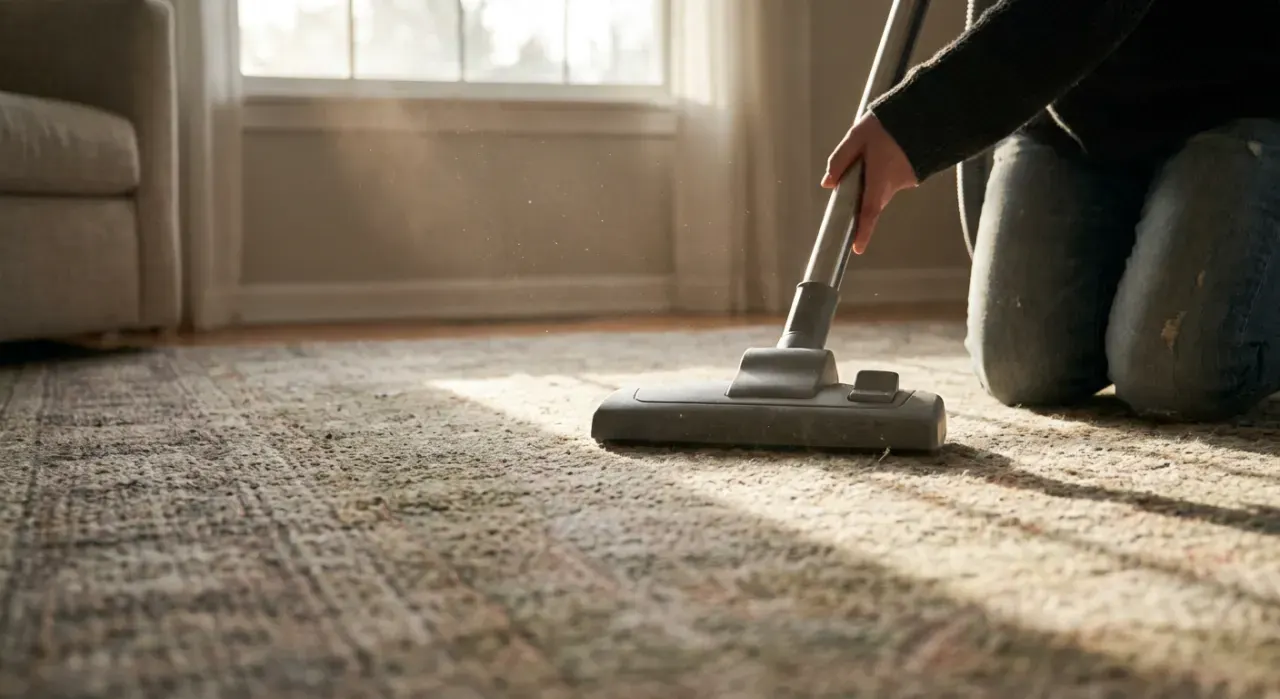
The difference is what the dirt lands in. A bagged vacuum funnels debris into a replaceable bag that doubles as a filter; when it fills, you remove and discard the whole thing, often via a self-sealing collar that keeps the contents trapped. A bagless vacuum spins dust out of the airflow (cyclonic separation) into a clear plastic bin you dump into the trash and reuse. That makes bagless cheaper and lets you see when it's full, but every emptying stirs fine dust back into the air.
Bagged vs bagless at a glance
| Bagged | Bagless | |
|---|---|---|
| Allergy-friendly | Best, sealed disposal | Dust escapes on emptying |
| Running cost | ~$20–60/yr in bags | Filters only |
| Capacity | Larger, empty less often | Smaller bin |
| Suction consistency | Steady between changes | Drops if filter clogs |
| Maintenance | Swap the bag | Empty + wash filters |
| Typical price | ~$100–500 | ~$80–500 |
Which is better if you have allergies?
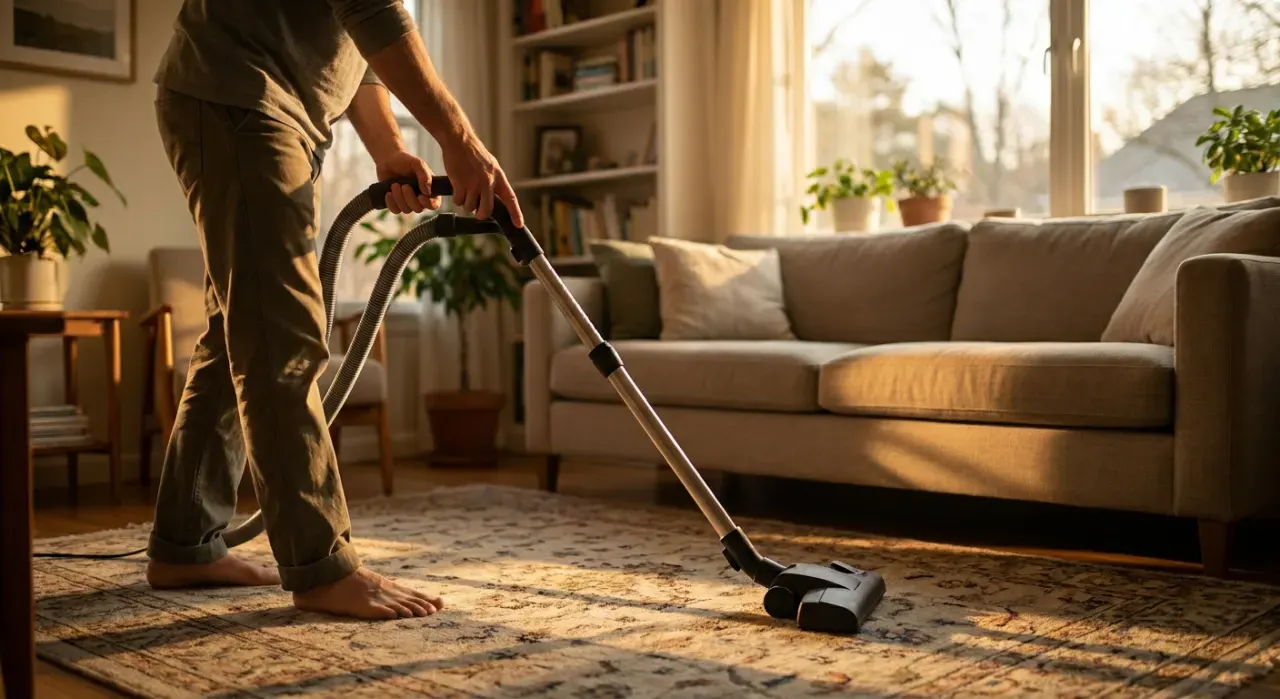
Bagged, in most cases. Because the collected allergens stay sealed in the bag through disposal, you avoid the cloud of fine dust a bagless bin throws when you dump it. Pair a bagged machine with a sealed HEPA filter and you have a system that captures dust on intake and contains it on disposal. If you buy bagless anyway, empty it outdoors, wear a mask, and keep the filters clean; those steps cut exposure but don't match the sealed bag.
Which is cheaper to live with?
Bagless costs less over time because there are no bags to buy, just occasional filter replacements. Over a vacuum's life the bag habit can add up to well over a hundred dollars, which is the trade for the cleaner emptying. If ongoing cost and the annoyance of running out of bags bother you more than dust exposure does, bagless is the economical pick. Just budget the filter cleaning time, since a neglected bagless is where the suction complaints come from.
Which should you buy?
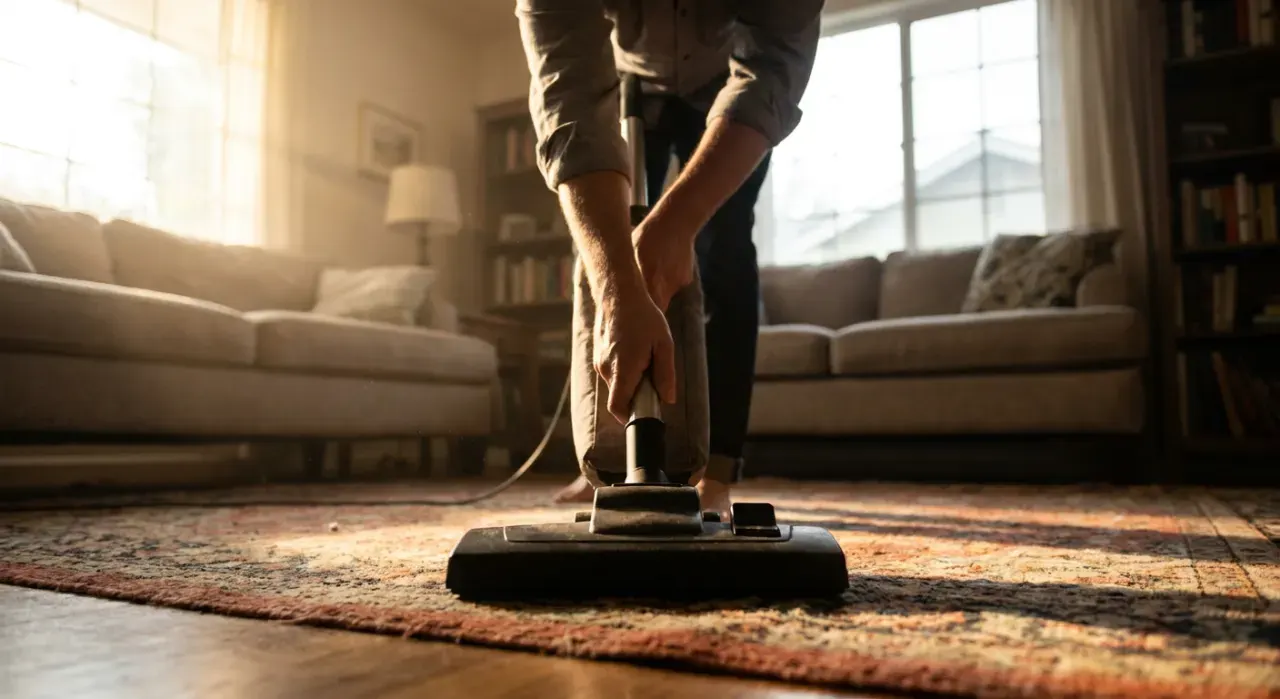
Buy bagged if anyone in the home has allergies or asthma, if you want the least dusty emptying, or if a larger capacity and steadier suction between changes appeal. Buy bagless if you want to skip bag costs, like seeing the bin fill, and don't mind washing filters on a schedule. Both clean well; the choice is really about disposal cleanliness versus running cost.
Where to go next
Ready to buy? Our picks for the best vacuum cleaners and the best vacuums for pet hair rank current models on the ratings and complaints owners report. Weighing formats? See upright vs canister and corded vs cordless. Everything sits under the vacuums and floor care hub.
We never buy or physically test the products we rank — our recommendations come from aggregated owner reviews and expert consensus, and the method is on how we rank.