 Garden

Affiliate Disclosure
Some links on this page are affiliate links. As an Amazon Associate, we earn from qualifying purchases — at no extra cost to you. We do not buy, test, or physically handle the products we cover; our rankings come from aggregated owner reviews, ratings and expert consensus. Commissions never change our verdicts. How we rank · full disclosure.
An upright vacuum is a single connected unit with the motor, bin, and wide brush roll together, making it strong on carpet and quick to grab and push; a canister vacuum separates the motor and bin into a wheeled body pulled behind a light hose and wand, giving better reach, easier stairs and under-furniture cleaning, quieter running, and gentler bare-floor performance. Choose an upright for a mostly-carpeted home and simple use. Choose a canister for mixed floors, lots of stairs, delicate hard floors, and versatility.
How the two designs differ
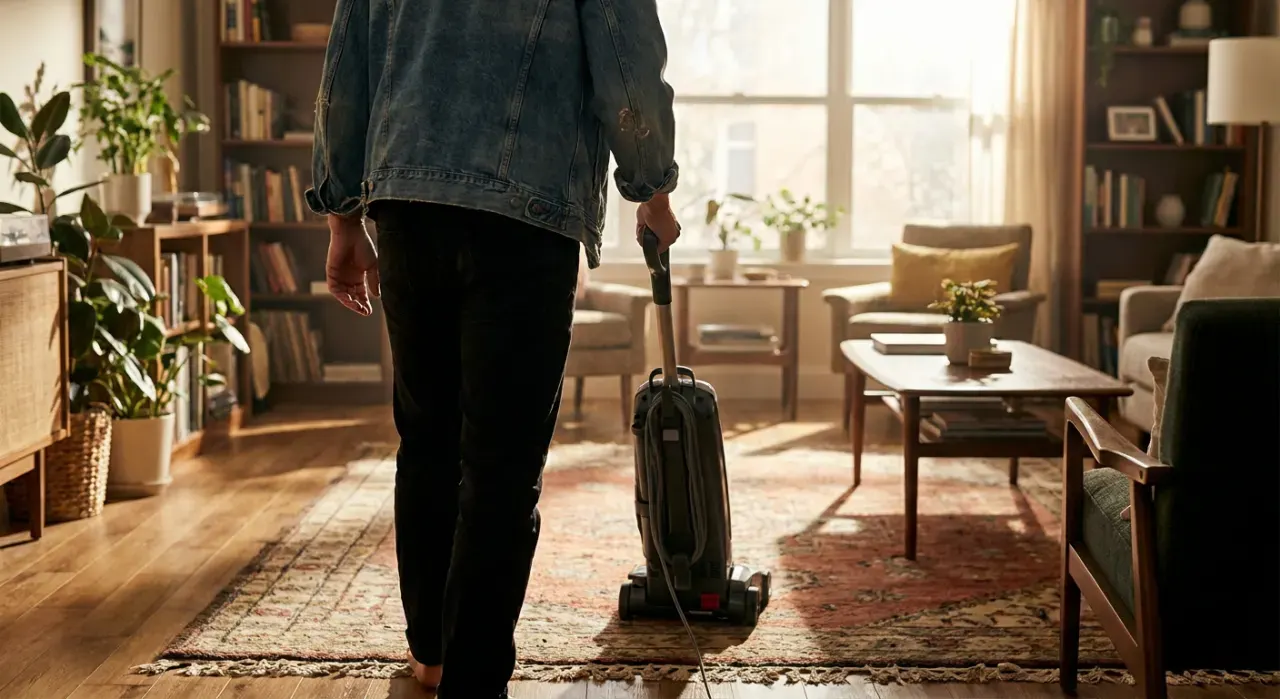
The split is structural. An upright keeps everything in one body you push, so the motorized brush roll gets the machine's weight behind it, which is ideal for agitating carpet, and there's nothing to drag. A canister puts the motor and dust bin in a wheeled unit and connects to a long flexible hose ending in a lightweight wand and interchangeable heads. That separation trades the upright's push-and-go simplicity for reach, maneuverability, and the ability to switch tools for carpet, bare floor, stairs, and crevices.

Upright vs canister at a glance
| Upright | Canister | |
|---|---|---|
| Best on carpet | Strong | Good (with power head) |
| Best on hard floors | Good (brush-off mode) | Excellent, gentle |
| Stairs / reach | Awkward | Easy |
| Weight in hand | Whole unit | Light wand only |
| Storage | Compact, upright | Bulkier, hose + wand |
| Typical price | ~$80–400 | ~$150–800 |
Which suits your home?
Match it to your floors and layout. A single-level home with wall-to-wall carpet is upright territory: fast, powerful on the pile, easy to store. A home with hardwood, tile, area rugs, delicate floors, and several flights of stairs leans canister, whose light wand and swappable heads handle that variety more gracefully. Pet owners split both ways, uprights for carpet-heavy homes, canisters for mixed floors, so look at where the hair actually collects.
What about allergies and filtration?
Both types are sold with sealed HEPA filtration, so neither wins automatically here; look at the model, not the format. A well-sealed HEPA canister or upright captures fine allergens and dust rather than blowing them back out. If allergies drive your choice, prioritize a sealed system and a HEPA filter you can wash or replace on schedule, and empty a bagless bin outdoors or choose a bagged model to avoid a dust cloud. The floor performance above matters more to the format decision than filtration does.

Which should you buy?
Buy an upright if your home is mostly carpet and you want the simplest, quickest clean. Buy a canister if you have a lot of hard or delicate flooring, stairs, and under-furniture cleaning, and you value quieter, more maneuverable operation over grab-and-go speed. Many people who tire of dragging either one eventually add a cordless stick for daily quick jobs and keep the big machine for deep cleaning.
Where to go next
Ready to buy? Our picks for the best vacuum cleaners and the best vacuums for hardwood floors rank current models on the ratings and complaints owners report. Weighing other formats? See corded vs cordless and bagged vs bagless. Everything sits under the vacuums and floor care hub.
We never buy or physically test the products we rank — our recommendations come from aggregated owner reviews and expert consensus, and the method is on how we rank.