 Garden
Affiliate Disclosure
Some links on this page are affiliate links. As an Amazon Associate, we earn from qualifying purchases — at no extra cost to you. We do not buy, test, or physically handle the products we cover; our rankings come from aggregated owner reviews, ratings and expert consensus. Commissions never change our verdicts. How we rank · full disclosure.
The short answer: buy Shark. Vacuums are consumable machines, so the brand that matters is the one whose filters, belts, brush rolls and hoses you can still buy cheaply in year five — and Shark combines that with a five-year limited warranty advertised on many uprights and support you can actually telephone. Buy Miele instead if you want one vacuum for twenty years, and Bissell if the budget is firm.
This page answers which brand. It does not answer which vacuum. Every entry below names one representative machine to anchor the company and nothing more — for the model-by-model ranking, go to best vacuum cleaner, which is where the actual buying decision gets made. Then narrow by type with best upright vacuum, best cordless vacuum or best vacuum for pet hair.
Why Brand Is a Different Question From Model
A vacuum is a motor, a fan, a filter and a brush roll. Above about a hundred dollars, every mainstream brand can move enough air to clean a carpet, and the difference between two similarly specified machines on day one is smaller than the marketing implies. What is not similar is what happens in year three, when the belt snaps, the filter clogs, the hose splits or the brush roll stops spinning. Those are brand-level facts, and they are what this page ranks on:
- Consumable cost and availability years later. Weighted hardest. Filters, belts, brush rolls, bags and hoses over five years routinely cost more than a budget vacuum did.
- Warranty terms as published, including the exclusions — which universally rule out the wear items above.
- Whether there is a service network, a dealer, a phone number, or only a returns process.
- Breadth of range. Does the brand cover 80 dollars through 1,000, or one price point?
- Ownership and brand licensing, because floor care is full of famous names that are now licences rather than factories, and that determines how long parts stay listed.
- Owner-reported reliability across the whole line, not at the flagship.
The Brands at a Glance
Our #1 Brand: Shark
Shark, part of SharkNinja, wins here the way Coway wins air purifiers: not by being best at any single thing, but by having no seriously weak side.
What it does better than the others. Three things at once. First, the warranty — Shark advertises a five-year limited warranty on many of its upright models, which is longer than anything else at the price and longer than several brands charging twice as much. Second, parts: filters, brush rolls, hoses and dust cups are stocked in general retail as well as online, and the installed base is large enough that a healthy third-party market keeps prices honest. Third, breadth: the range runs from roughly 80 dollars to 500 and covers corded uprights, lift-away canisters, cordless sticks and robots, so a household can stay in one parts ecosystem.
Underneath that, the lift-away design is a genuinely good engineering idea rather than a marketing one. The motor and dust cup detach from the floor head, which turns a full-size upright into a portable canister for stairs and upholstery without buying a second machine — the single most common reason households own two vacuums.
Consensus Score ████████░░ 8.8 — the largest owner-review base in the category, and unusually consistent from the cheapest models to the most expensive.
Where it is weak. Build is plastic, and the machines feel it next to Miele or a commercial upright — hose collars, latches and wand joints are the parts owners report cracking. Model number sprawl is genuinely bad: dozens of near-identical variants exist, many of them big-box exclusives, which makes matching a replacement part to a three-year-old machine harder than it should be. Filters need washing on a schedule most owners do not keep, and suction complaints in reviews are very often a neglected filter rather than a failing motor. Batteries on the cordless models are not user-replaceable on every variant. And the five-year term applies to many uprights, not all of them, so check the listing for the specific machine rather than trusting the brand claim.
Check price on Amazon → (paid link)
The Brands, Ranked
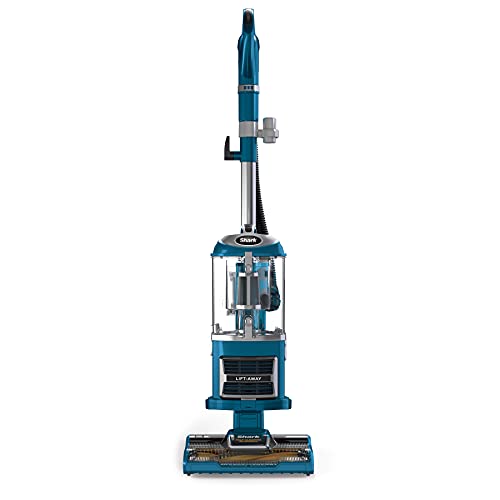
Best for the fewest weak spots across price, parts, warranty and support at once
- Advertises a five-year limited warranty on many upright models
- Filters, brush rolls and hoses stocked in general retail and online
- Range runs from roughly 80 dollars to 500 under one brand
- US phone support that owners report actually reaching a person
Why buy it: Shark is the brand with the fewest weak points rather than the best single machine: cheap parts everywhere, a long advertised warranty and support you can telephone.
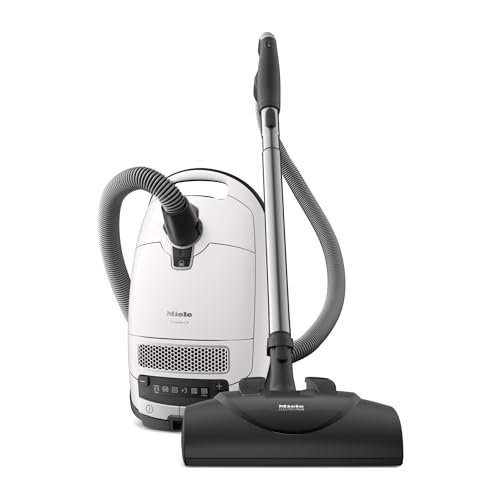
Best for buying one vacuum and keeping it for fifteen or twenty years
- German family-owned manufacturer trading since 1899
- Publishes multi-year cover on motor and casing, terms vary by model
- Bags and filters for old model families remain stocked for decades
- Serviced through a dealer network rather than a big-box counter
Why buy it: Miele is the only brand here that is genuinely engineered around a twenty-year life, and the only one whose consumables are still on sale twenty years later.
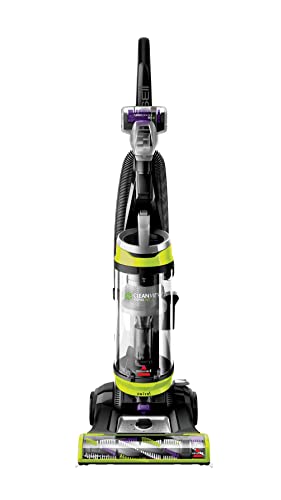
Best for cheap machines with the cheapest and most available parts in the category
- American family-owned company trading since 1876
- Belts, filters and brush rolls sold in supermarkets as well as online
- The widest budget lineup of any brand on this page
- Published warranty terms are short, typically one to two years
Why buy it: Bissell keeps a 130-dollar vacuum running for a decade by selling the belt and the filter everywhere, which is a more useful kind of durability than a heavy chassis.

Best for raw suction and washable filters, from a company that services its own machines
- No bags at all, and filters are washable rather than replaceable
- Direct-only service model with no independent dealer network
- Spare parts are first-party and priced accordingly
- Cordless battery replacement is the expensive long-term line
Why buy it: Dyson removes two consumables entirely by using washable filters and no bags, which offsets a chunk of the price premium over five years.

Best for a familiar name with belts and filters in every hardware aisle
- The North American Hoover business sits under Techtronic Industries
- The European Hoover name is a separate business entirely
- Belts, filters and brush rolls carried in general retail
- Published warranty terms are shorter than Shark advertises
Why buy it: Hoover is the brand whose belt you can buy in a supermarket at nine on a Sunday evening, which is a genuine ownership advantage on a corded upright.
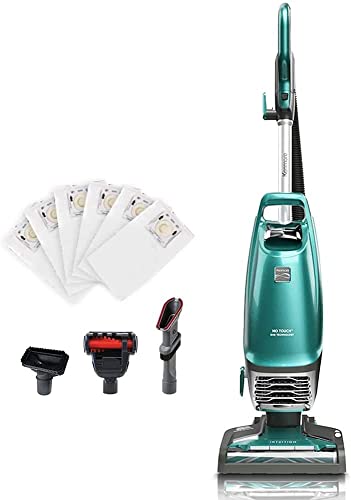
Best for bagged filtration in an upright, for allergy households that do not want a canister
- A licensed brand name rather than a factory, built by contract manufacturers
- Two-motor bagged uprights with sealed HEPA filtration
- Bags and filters are proprietary and worth pricing before you buy
- Parts availability depends on the licensing arrangement continuing
Why buy it: Kenmore builds properly sealed bagged uprights that allergy households genuinely benefit from, provided you accept that it is a brand name rather than a manufacturer.

Best for the cheapest full-size upright that still has parts behind it
- A long-standing American vacuum name, now under Midea ownership
- Consistently the lowest prices for a full-size upright
- Filters and belts widely available and cheap
- Light plastic construction and a short published warranty
Why buy it: Eureka is the price floor for a full-size upright that is still a real brand with real spare parts, rather than an anonymous marketplace listing.
Quick Comparison
| Product | Best for | Rating | Price | Buy |
|---|---|---|---|---|
| Shark Upright Vacuum, Navigator Lift-Away with Self-Cleaning Brushroll, HEPA Filter, Swivel Steering | Best Brand Overall — Shark | — | Check (paid link) | |
| Miele Complete C3 Cat and Dog Bagged Canister Vacuum Cleaner, Lotus White | Best Premium Brand — Miele | — | Check (paid link) | |
| Bissell CleanView Swivel Pet Upright Vacuum with Swivel Steering and Triple Action Brush Roll | Best Value Brand — Bissell | — | Check (paid link) | |
| Dyson Ball Animal 3 Upright Vacuum, Corded, 290AW, De-tangling Motorbar Cleaner Head | Best Engineering Brand — Dyson | — | Check (paid link) | |
| Hoover WindTunnel 3 Max Performance Pet Bagless Upright Vacuum Cleaner, HEPA Media Filtration | Best Big-Box Parts Brand — Hoover | — | Check (paid link) | |
| Kenmore Intuition Bagged Upright Vacuum with 2-Motor Power Suction, HEPA Filter and 3-in-1 Combination Tool | Best Bagged Upright Brand — Kenmore | — | Check (paid link) | |
| Eureka NEU182A PowerSpeed Bagless Upright Vacuum Cleaner, Lite, Blue | Best Budget Brand — Eureka | — | Check (paid link) |
The Number That Decides It: Five Years of Filters, Belts and Bags
A vacuum is not a one-off purchase. Below is what you buy again, on what cycle, and what happens when the part that is not really a consumable finally fails. On a budget machine, five years of consumables comfortably exceeds what the vacuum cost.
| What you buy again | Typical replacement cycle | Sets needed over five years | Brand-level difference |
|---|---|---|---|
| Filters | Wash monthly, replace 6 to 12 months | 5 to 10 | Dyson filters are washable rather than replaceable; Shark, Bissell and Hoover are cheap and everywhere |
| Belt | 6 to 18 months on belt-driven uprights | 3 to 10 | Bissell, Hoover and Eureka belts sit on general retail shelves; direct-drive machines have none |
| Brush roll | 2 to 5 years | 1 to 2 | Cheap and stocked for the mass brands, dealer-ordered for Miele |
| Bags | 4 to 8 weeks on bagged machines | 30 or more | The largest recurring line; Miele bag families stay listed for decades, Kenmore bags are proprietary |
| Hose | Only on failure, commonly years 3 to 6 | 0 to 1 | The part most often unavailable on cheap brands, which ends the vacuum |
| Cordless battery | 2 to 4 years | 1 to 2 | The decisive one on stick vacuums, and expensive on Dyson |
What happens when a key part fails. A belt or a filter is a five-minute, ten-dollar job on any brand that still lists it — replacing a vacuum belt is genuinely easy. A split hose is the quiet killer: it is not usually worth a repair bill, and on the cheaper brands it is frequently not orderable at all, which retires an otherwise healthy machine. A failed motor ends a budget vacuum and is a dealer repair on a Miele, which is exactly the difference the price buys. And on cordless machines the battery is the whole argument, because a pack that is not user-replaceable turns a three-year-old vacuum into scrap. On how often to run the machine at all, EPA advises vacuuming carpets and furniture every week in a home with asthma, and using a vacuum with a HEPA filter on carpet and fabric. More on cycles in the vacuum maintenance schedule and how often to replace a HEPA filter.
How We Rank Brands
We do not buy or physically use these machines. On a brand page we weight different evidence from a product roundup. Star ratings are read across a brand catalog rather than at its flagship, because a company with one excellent vacuum and five poor ones is not a safe brand. Published consumable prices and replacement intervals are checked directly, along with whether third-party equivalents exist and whether parts for discontinued models are still listed. Warranty documents are read for their exclusions, not just their headline term. Reviews written two and three years after purchase carry far more weight than unboxing impressions, because durability is the only thing that separates these brands in the end. And we note ownership and brand licensing, because floor care is unusually full of famous names that are now licences rather than factories. Prices move constantly and were checked at the time of writing. Full method on how we rank.
The Brands, Assessed
1. Shark — Best Brand Overall
Covered above. Who it is for: the household buying one vacuum and wanting no regrets. What it does better: a five-year limited warranty advertised on many uprights, parts in general retail, the broadest mainstream range, reachable US support, and the lift-away design that removes the need for a second machine. Where it is weak: plastic build with cracking latches and hose collars, severe model-number sprawl that complicates parts matching, filters that need washing more often than owners do it, cordless batteries that are not always user-replaceable, and a warranty term that varies model to model.
2. Miele — Best Premium Brand
Who it is for: a household buying one vacuum and expecting to still own it in twenty years, and allergy sufferers who need genuinely sealed filtration. It is worth knowing what the word means, because listings use it loosely: EPA describes a HEPA filter as removing at least 99.97 percent of dust, pollen, mold, bacteria and other airborne particles 0.3 microns in size, a term originally defined by the US Department of Energy. Miele has been German family-owned since 1899, engineers against very long service-life targets, and publishes multi-year cover on motor and casing. The property that matters most, though, is commercial rather than mechanical: Miele bag and filter families stay on sale for decades, and machines are serviced by dealers rather than discarded. That is why twenty-year-old Miele canisters are still in daily use while contemporaries from every other brand are long gone.
Consumables: the most durable supply in the category and the most permanent cost. Bags are a recurring purchase for the life of the machine, and Miele bags are not the cheapest, so price a year of them before you commit. What it does better: build quality, sealed filtration, quietness, longevity, and parts that outlive the model. Where it is weak: price is the obvious one and it is a large gap. Bags are a permanent line item that the bagless brands simply do not have. The canister format needs dragging and is awkward on stairs. Repairs generally mean a dealer rather than a part in a box. Miele has never dominated cordless the way it dominates canisters. And big-box presence is thin, so buying and servicing take more effort than Shark or Bissell.
3. Bissell — Best Value Brand
Who it is for: a firm budget, a busy house, or anyone who would rather repair a cheap vacuum than buy an expensive one. Bissell has been American family-owned since 1876 and runs one of the longest-standing floor-care parts and service operations in the country. That shows up in a very practical way: belts, filters and brush rolls for its uprights turn up in supermarkets and hardware stores, not just online, so a 130-dollar vacuum stays repairable for years.
Consumables: the cheapest and most available on this page alongside Hoover. What it does better: price, parts availability, breadth at the budget end, a real US service organization, and a carpet-cleaner range that no rival matches if that is also on your list. Where it is weak: published warranty terms are short, commonly one to two years. The plastic is light and the machines feel it. Motors and belts fail earlier than on the premium brands, which is the honest cost of the price. Filters need attention more often than owners give them, and most suction complaints in the reviews trace back to that. And the sheer number of near-identical model numbers makes parts matching fiddly.
4. Dyson — Best Engineering Brand
Who it is for: someone who wants maximum suction, no bags at all, and is comfortable buying service from one company. Dyson is British, headquartered in Singapore, and does something genuinely unusual on the consumables axis: no bags anywhere in the range, and filters that are washable rather than replaceable. Over five years that removes two recurring lines entirely, which offsets a meaningful part of the price premium and is rarely credited in comparisons.
Consumables: the lowest routine consumable count here, but the highest cost when something does need buying. What it does better: suction, de-tangling brush bar heads, cordless engineering, build materials, and a genuinely low ongoing consumable count. Where it is weak: price is the first complaint and it is a real premium. Service is direct-only with no independent dealer network, so you are dependent on one company answering. Spare parts are first-party and priced accordingly. On the cordless machines, battery replacement is the single largest long-term cost and the most common reason a Dyson is retired. Corded uprights are heavy. And bins are prone to clogging with pet hair, which owners consistently report and which is a design trade rather than a fault.
5. Hoover — Best Big-Box Parts Brand
Who it is for: a corded upright buyer who values a belt being available locally at any hour. Hoover is one of the oldest names in the category, and there is a brand fact worth knowing before you shop: the North American Hoover business sits under Techtronic Industries, while the European Hoover name belongs to a separate business entirely. They are not the same company, which is why advice written for one market does not reliably apply to the other.
Consumables: excellent availability. Belts, filters and brush rolls are carried in general retail, and the installed base keeps third-party equivalents cheap. What it does better: parts you can buy locally, strong airflow on the WindTunnel uprights for the money, and a wide budget-to-mid range including carpet cleaners. Where it is weak: published warranty terms are shorter than Shark advertises. Build quality is inconsistent across the range and owner ratings vary a lot model to model, which is exactly why the brand should be judged on its catalog rather than its best machine. The bagless bins are awkward to empty cleanly. Cords and hoses are frequent failure points. And the brand carries a heritage reputation that the current products do not always live up to, which sets some buyers up for disappointment.
6. Kenmore — Best Bagged Upright Brand
Who it is for: an allergy household that wants sealed bagged filtration but does not want to drag a canister. Kenmore has built a genuinely good reputation in bagged vacuums over decades, and its two-motor uprights with sealed HEPA filtration do the job they claim.
Consumables and the honest caveat: Kenmore is a brand name rather than a factory. The vacuums are built by contract manufacturers under license, and the brand has changed corporate hands over the years, so long-term parts and bag availability depends on that arrangement continuing rather than on a manufacturer standing behind it. Bags and filters are proprietary, so price a year of them before you buy. What it does better: sealed bagged filtration in an upright format, strong suction from a two-motor design, and a long track record in bagged machines. Where it is weak: the licensing structure is the real risk on our top-weighted axis, and it is the reason it is not higher here. The machines are heavy. Published warranty is shorter than Shark or Miele. Retail presence has narrowed substantially since the brand left its original home, which makes both buying and part-finding harder than it once was. And service is not centralized in the way Bissell or Dyson service is.
7. Eureka — Best Budget Brand
Who it is for: a first apartment, a rental, a basement or a second vacuum for upstairs. Eureka is a long-standing American vacuum name now under Midea ownership, and it consistently sets the price floor for a full-size upright that is still a real brand with real parts behind it rather than an anonymous marketplace listing.
Consumables: cheap and widely available, which is the whole point at this price. What it does better: price, light weight, simple mechanics with few things to fail, and parts you can actually buy. Where it is weak: construction is light plastic and the machines feel disposable next to anything above them here. Published warranty is short. Suction on carpet is adequate rather than good, and deep-pile carpet is not its territory. Hose and wand joints are the common failure points. And support is thin compared with the American family-owned brands. Buy it as a three-to-five-year machine and it is honest value; expect more and it will not deliver.
The brands just outside this list
Oreck, Sanitaire, Riccar and Simplicity are the traditional dealer brands, and they deserve a mention precisely because they win on the axis this page weights hardest: they are sold and serviced through independent vacuum shops that stock bags, belts and brush rolls for machines decades old. If there is a vacuum store near you, that service relationship is worth more than any specification, and it is the strongest argument for buying outside the big-box brands entirely. They do not have non-overlapping representative models in our verified catalog at the time of writing. Tineco is the interesting newcomer in wet-dry floor washers rather than conventional vacuums, a different appliance with its own consumable schedule. Black and Decker is essentially a handheld brand in this category. And the marketplace-only names should be judged by one simple check: if you cannot find a replacement filter and belt listed for the machine before you buy it, treat it as disposable. For the model-level picture, go to best vacuum cleaner.
What Owners Complain About, Whatever the Badge
Read the critical reviews across all seven brands and five themes repeat regardless of name. Loss of suction leads, and in the overwhelming majority of cases the cause is a clogged filter or a blocked hose rather than a failing motor — which is why cleaning the filter is the single highest-value habit in vacuum ownership. Hair wrapping the brush roll is second and is the reason the anti-tangle heads have taken over the category. Hose and attachment failures are third, and they are the ones that most often end a cheap vacuum, because the part is either unavailable or costs more than the machine is worth. Weight is fourth and is systematically underestimated at purchase, particularly by anyone with stairs. And noise is fifth, where the bagged canister brands have a genuine structural advantage over bagless uprights.
How to Choose Between These Brands
One vacuum, no regrets, sensible money? Shark. One vacuum for twenty years, and allergies in the house? Miele. Firm budget with parts you can buy locally? Bissell, or Eureka if the budget is firmer still. Maximum suction and no bags ever? Dyson, accepting direct-only service and the cordless battery cost. Corded upright with a belt available at any hardware store? Hoover. Sealed bagged filtration without a canister? Kenmore, weighing the licensing question.
Whichever brand you land on, do two things before you pay. Price a year of the consumables that machine actually needs — filters, bags and belts — because that number varies more within a brand than between brands. And check whether the hose and the brush roll are listed as spare parts, since those are the components that decide whether year four is a repair or a replacement. Then pick the actual machine at best vacuum cleaner. Realistic lifespans are in how long a vacuum cleaner should last.
The Verdict
Shark is the vacuum brand we would tell a friend to buy: a five-year limited warranty advertised on many of its uprights, filters and brush rolls stocked everywhere, the broadest mainstream range, and support you can telephone. Choose Miele for a twenty-year machine and sealed filtration, Bissell for the cheapest and most available parts, Dyson for suction with no bags, Hoover for belts at the local store, Kenmore for a bagged upright, and Eureka for the price floor. Then choose the model in best vacuum cleaner. Check the current Shark price on Amazon → (paid link)
More from this hub: Vacuums & Floor Care · Best vacuum cleaner · Best upright vacuum · Dyson vs Shark · Bagged vs bagless · How we rank