 Garden

Affiliate Disclosure
Some links on this page are affiliate links. As an Amazon Associate, we earn from qualifying purchases — at no extra cost to you. We do not buy, test, or physically handle the products we cover; our rankings come from aggregated owner reviews, ratings and expert consensus. Commissions never change our verdicts. How we rank · full disclosure.
The short answer: about 8 years is the commonly cited average for a household vacuum, but the useful figures are by type. Budget uprights last 3 to 5 years, quality uprights and canisters 8 to 12, cordless sticks 4 to 7 — limited by the battery, not the motor — and robots 4 to 6. What actually ends most machines is not the motor but a part that is no longer available, or a battery that cannot be replaced.
We do not buy or physically handle the machines we rank; our picks come from aggregated owner reviews and expert consensus, described in how we rank. Current recommendations are in best vacuum cleaner.
How long should each type last?
Design life varies more by construction than by brand. Machines with metal brushroll housings, replaceable motors and a parts catalog that stays in print outlive plastic-bodied machines sold as sealed units, and that difference shows up plainly in what owners report about longevity across large review pools.
| Type | Typical life | First part to fail | Limiting factor |
|---|---|---|---|
| Budget upright, under $120 | 3 – 5 years | Belt, then brushroll bearings | Plastic housings, no parts support |
| Mid-range upright | 5 – 8 years | Belt, hose splits | Motor bearings |
| Quality upright or canister | 8 – 12 years | Belt, filters, hose | Parts availability |
| Cordless stick | 4 – 7 years | Battery pack at 2 – 4 years | Whether the pack is replaceable |
| Robot vacuum | 4 – 6 years | Battery, side brush motors, wheels | Battery plus app and firmware support |
| Shop vacuum | 10 – 20 years | Hose, filter | Simplicity — very little to fail |
| Central vacuum power unit | 15 – 20 years | Motor brushes | Motor is usually rebuildable |
Why does the battery decide a cordless vacuum’s life?
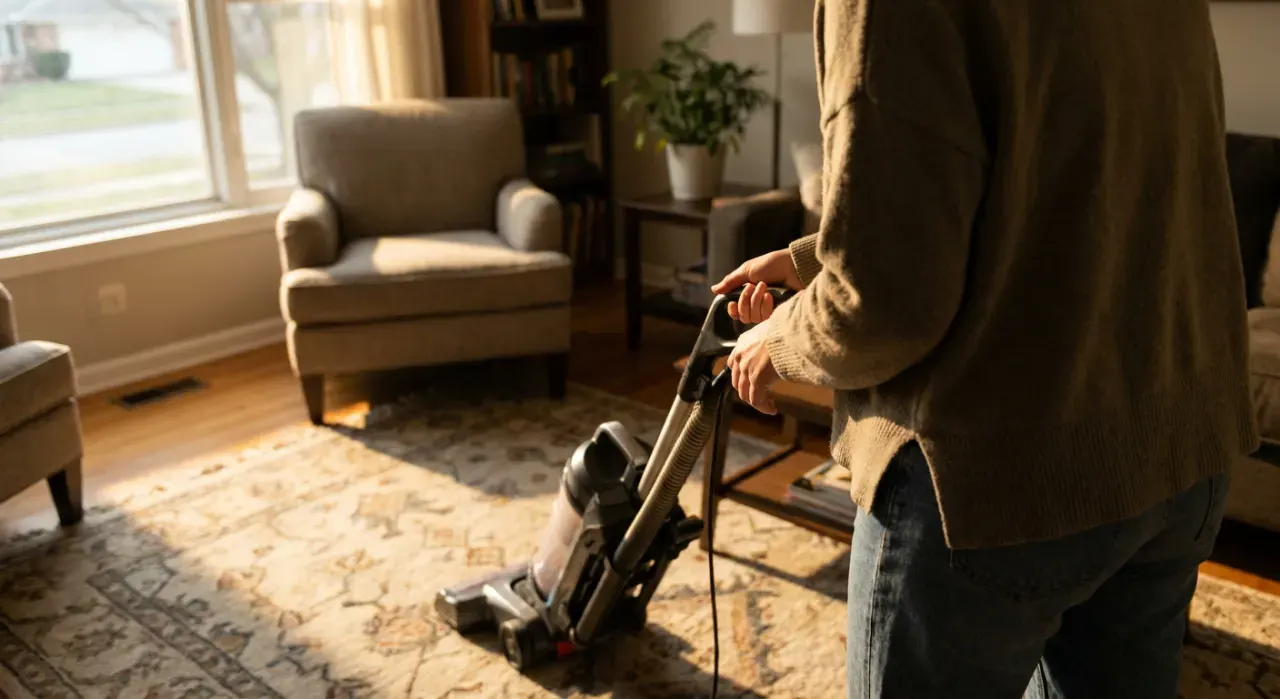
Because it degrades on a schedule the motor does not. Lithium-ion cells lose capacity with every full charge and discharge, and packs in cordless vacuums are generally rated in the region of 400 to 600 cycles before the drop becomes obvious. A household that runs the machine most days reaches that in two to four years, and the symptom is familiar: a vacuum that once ran 40 minutes now runs 12, and cuts out abruptly on the high-power setting.
The variable is whether you can do anything about it. Brands that sell replacement packs as a stocked spare part effectively double the machine’s life for $60 to $130. Brands that bond the pack into the body, or that discontinue the pack two years after the model, do not. That is worth checking before purchase far more than any specification on the box — and it is the single biggest reason two apparently similar cordless vacuums have completely different real-world lifespans. Storage habits help too: leaving a pack on the charger at 100 percent in a hot garage ages it faster than any amount of ordinary use.
When should I replace rather than repair?
Work through the cheap causes first, because a large share of vacuums retired as "worn out" are simply blocked. Suction that returns after a filter wash and a hose clear was never a lifespan problem. Genuine end-of-life looks like this:
- Suction stays poor after new filters, an empty bin, a cleared hose and a new belt.
- An electrical or ozone smell from the motor housing, which usually means worn carbon brushes or failing windings — the smells are catalogued in why does my vacuum smell like burning.
- The thermal cutout trips repeatedly on a machine with clear airflow.
- Cracked housings or a broken wand latch that no longer seal — a leak anywhere in the path destroys suction no matter how good the motor is.
- Parts are discontinued. The most common true death of an otherwise sound vacuum.
- Repair quote over half the replacement price, especially on a machine past six years.
What makes a vacuum last longer?
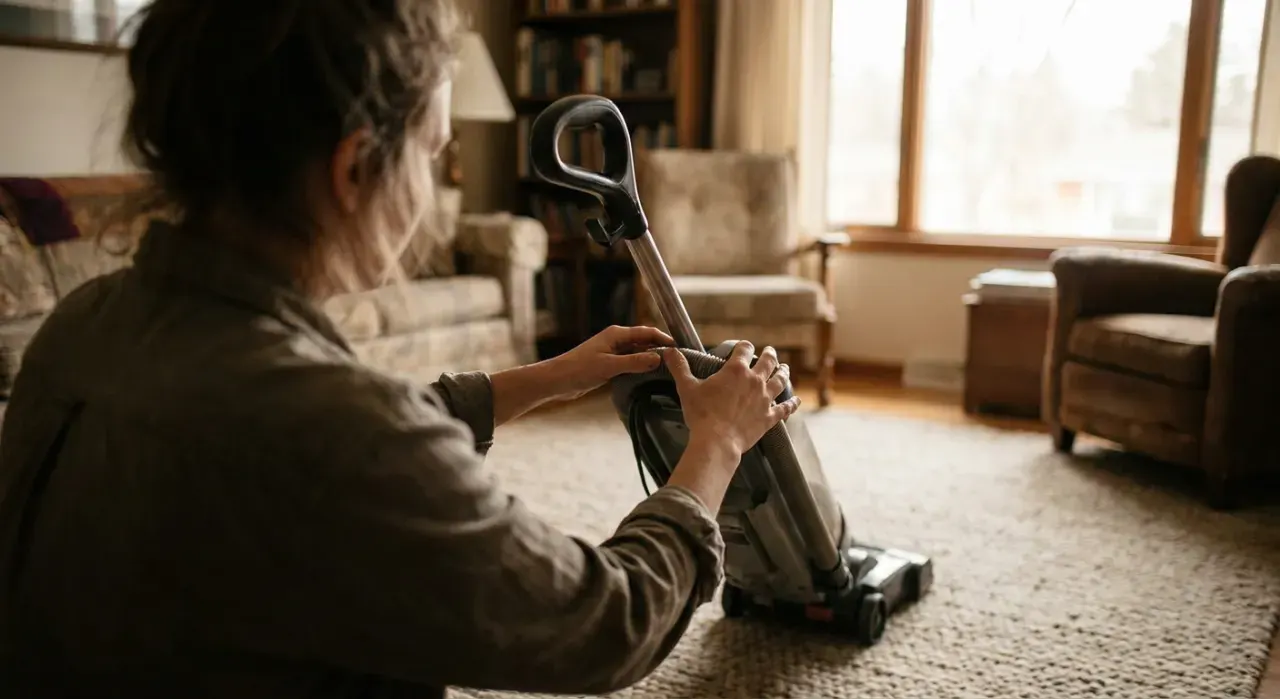
Airflow discipline, mostly. Empty a bagless bin at the MAX line rather than when it is packed, change bags at three-quarters full, and wash pre-motor filters on the schedule in how often should you replace a HEPA vacuum filter — with a full 24 hours of drying, since a damp filter is worse than a dirty one. Cut hair off the brushroll monthly in a pet household, because a tightly wound mat loads the belt and the bearings every second the machine runs.
Beyond that: unplug by the plug rather than pulling the cord, keep fine dust like drywall and fireplace ash out of a household machine entirely, set the brush height to the carpet rather than leaving it on the lowest setting, and store the machine somewhere it will not be knocked over. None of it is difficult, and the difference between a five-year and a twelve-year vacuum is very largely these habits. For pet households where the machine works hardest, best vacuum for pet hair and how often should you vacuum a house with pets cover the load it is under, and best cordless vacuum flags which models have owner-replaceable packs.