 Garden


Affiliate Disclosure
Some links on this page are affiliate links. As an Amazon Associate, we earn from qualifying purchases — at no extra cost to you. We do not buy, test, or physically handle the products we cover; our rankings come from aggregated owner reviews, ratings and expert consensus. Commissions never change our verdicts. How we rank · full disclosure.
Space tomato plants 18 to 24 inches apart when staked or caged, and 36 to 48 inches apart when left to sprawl, with 3 to 4 feet between rows. Determinate (bush) types can go toward the closer end since they stay compact; indeterminate (vining) types that grow tall and wide need more room. Spacing is not only about fitting the plants — it provides the airflow that prevents the fungal diseases tomatoes are so prone to. When in doubt, err generous: a little extra room costs you nothing and protects the whole crop.
How spacing depends on the type
The first thing to know is whether your tomato is determinate or indeterminate, because it changes both the distance and the support. Determinate bush types reach a set size and fruit in a short window; indeterminate vining types keep growing all season and can top 6 feet. Check the seed packet or plant tag before you space.
| Type / method | Spacing between plants | Between rows |
|---|---|---|
| Determinate, staked/caged | 18–24 in | 3 ft |
| Indeterminate, staked/caged | 24 in | 3–4 ft |
| Sprawling on the ground | 36–48 in | 4–5 ft |
| Raised bed, vertical support | 18–24 in | Staggered rows |

Why crowding invites disease
This is the reason spacing matters more than it looks. Crowded tomatoes compete for light, water and nutrients and yield less, but the bigger problem is airflow: packed plants trap humid, stagnant air among their leaves, which is exactly what early blight, septoria leaf spot and powdery mildew need to take hold. Poor airflow from tight spacing is one of the leading causes of tomato disease. Giving each plant 18 to 24 inches, staking it upright, and pruning the lowest leaves keeps air moving and foliage drying quickly after rain — the single best cultural defense against fungal problems.

Spacing in a raised bed
Raised beds grow tomatoes vigorously thanks to rich soil and good drainage, which also means plants crowd fast — so resist packing them in. Space them 18 to 24 inches apart and grow them vertically on stakes or cages to use the space upward rather than outward. Two staggered rows down a 4-foot-wide bed works well. The combination of vertical support and honest spacing keeps airflow moving between plants, which pays off all season. Good spacing also makes consistent watering easier, and steady moisture is what prevents the blossom end rot and leaf curl that stress-prone, crowded plants suffer most.
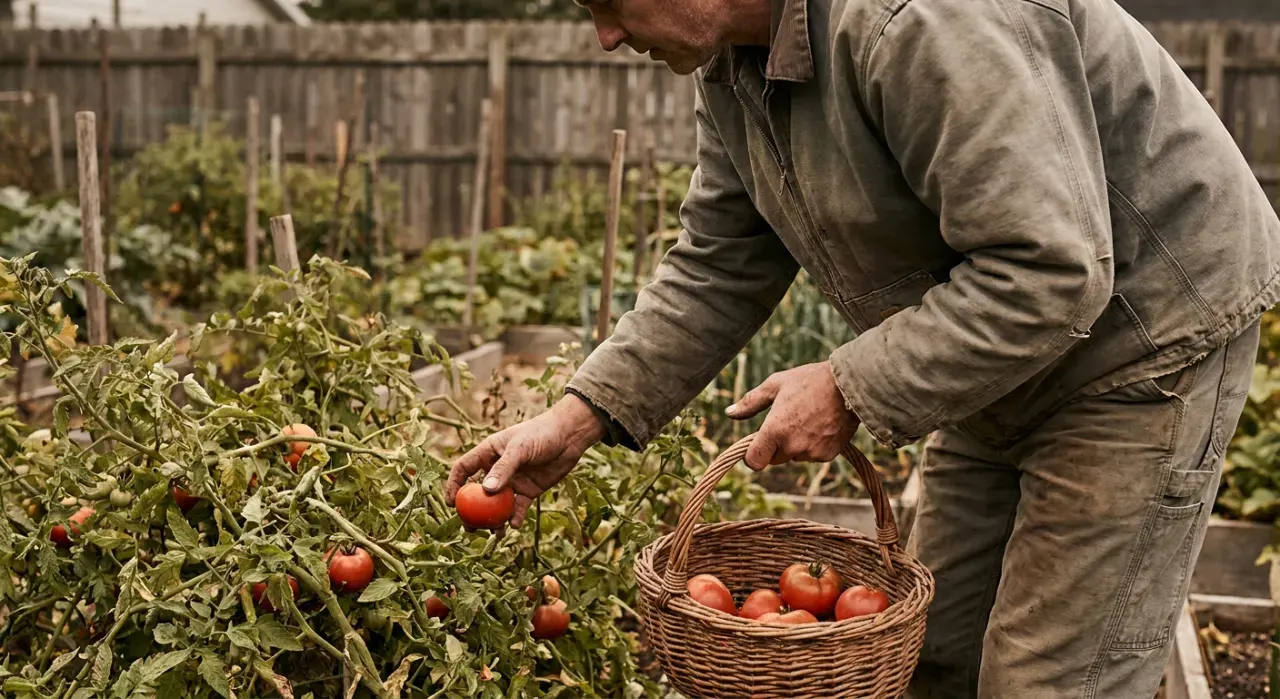
Room between rows
Leave 3 to 4 feet between rows. That space lets you walk, water, prune and harvest without brushing against plants — which both damages them and spreads disease on wet foliage from one plant to the next. In intensive raised beds you can tighten rows slightly with vertical support, but the walking and airflow space still earns its keep. Wider rows also let sunlight reach the lower leaves and dry foliage faster after rain, both of which lower disease pressure. If you are planning the bed itself, our best raised garden beds guide covers sizing a bed that gives tomatoes the room they need.
We do not buy, test or physically handle any product on this site. Spacing reflects university extension planting guides and horticultural consensus — see how we rank.
More from this hub: Seeds & Vegetable Growing · Tomato leaves curling · Blossom end rot causes · Best raised garden beds · How we rank