 Garden

Affiliate Disclosure
Some links on this page are affiliate links. As an Amazon Associate, we earn from qualifying purchases — at no extra cost to you. We do not buy, test, or physically handle the products we cover; our rankings come from aggregated owner reviews, ratings and expert consensus. Commissions never change our verdicts. How we rank · full disclosure.
Lettuce takes about 30 to 60 days from seed to harvest, depending on the type. Loose-leaf is fastest at 30 to 45 days, romaine takes 45 to 60, and crisphead (iceberg) is slowest at 60 to 80. You can pick baby leaves sooner still — often in as little as 21 to 30 days — by harvesting outer leaves young. Cool weather of 60 to 70°F gives the best growth, while heat speeds bolting and turns lettuce bitter, effectively shortening the usable window. Choosing the right type is the biggest lever on how soon you eat.
How long by lettuce type?
The type sets the timeline because it determines whether the plant has to form a head. Leaf lettuce can be picked as it grows; crisphead has to mature a dense head first, which is why it takes twice as long.
| Lettuce type | Days to full harvest | Baby-leaf harvest |
|---|---|---|
| Loose-leaf | 30–45 days | ~21–30 days |
| Butterhead (Bibb) | 45–55 days | ~30 days |
| Romaine | 45–60 days | ~30–40 days |
| Crisphead (iceberg) | 60–80 days | Not suited |
Can you harvest earlier as baby greens?
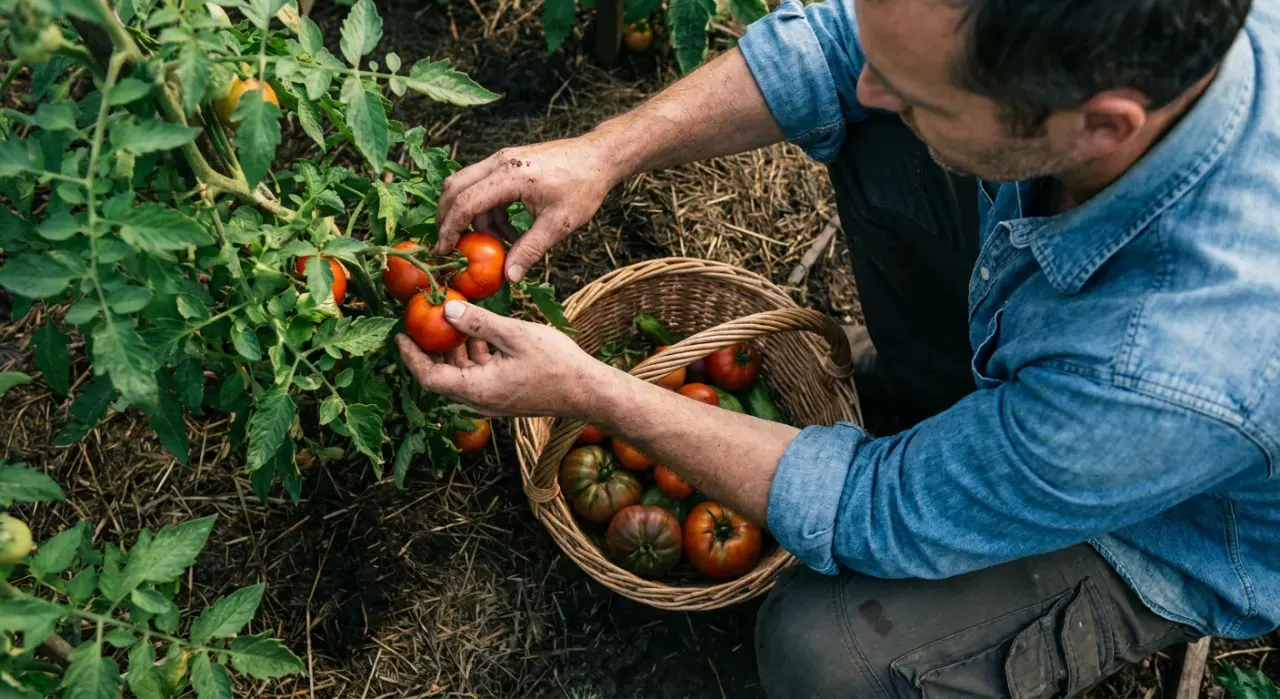
Yes — this is the fastest route to eating. Baby lettuce is ready roughly 21 to 35 days after sowing, well before a full head forms. Sow leaf lettuce thickly, then harvest the outer leaves once they reach 3 to 4 inches, cutting about an inch above the crown so the plant regrows. This cut-and-come-again method yields several pickings from one sowing and keeps leaves at their tender, mildest stage before summer heat brings bitterness. Leaf and romaine regrow after a light cut; crisphead, harvested as one tight head, does not.
Why is my lettuce taking so long?
Slow lettuce usually comes down to cold soil, low light, or crowding. Lettuce grows best in cool but not cold conditions — below about 40°F growth nearly stops, so an early-spring sowing can sit for weeks doing little. Too little light stretches and slows plants, and seedlings packed too close compete and stall. Steady moisture matters as well, since stressed lettuce grows slowly and bolts early. Give it 60 to 70°F weather, full sun in spring and fall, thinned spacing, and consistent water — covered in how often to water a vegetable garden — for the quickest growth.
Getting a continuous supply
Because a single sowing all matures around the same time, the way to eat lettuce for months rather than one glut is succession sowing — planting a small batch every one to two weeks so a new crop is always coming. That, combined with cut-and-come-again picking of leaf lettuce, is the reliable method for a steady salad supply from spring through fall, pausing only in the heat of summer. The full rhythm is laid out in our succession planting schedule, and lettuce grows especially well in the controlled soil of a raised bed.
We do not buy, test or physically handle any product on this site. Timing reflects university extension days-to-maturity data and horticultural consensus — see how we rank.
More from this hub: Seeds & Vegetable Growing · Succession planting schedule · Watering a vegetable garden · Best raised garden beds · How we rank