 Garden

Affiliate Disclosure
Some links on this page are affiliate links. As an Amazon Associate, we earn from qualifying purchases — at no extra cost to you. We do not buy, test, or physically handle the products we cover; our rankings come from aggregated owner reviews, ratings and expert consensus. Commissions never change our verdicts. How we rank · full disclosure.
The short answer: water potatoes about 1 to 2 inches per week, including rain, and time it to the growth stage. They need the most water from flowering through tuber bulking, when moisture directly sets how many potatoes you get and how big they grow. Water deeply once or twice a week rather than a little every day, keep the soil consistently moist but never waterlogged, and stop watering about two weeks before harvest so the skins firm up for storage. Inconsistent watering is the top cause of small, knobbly, or cracked tubers.
Potato watering is less about a fixed schedule than about matching moisture to the plant's stage. This guide follows extension-service growing data and the results growers consistently report, described in how we rank. It complements our broader guide on how often to water a vegetable garden.
Watering potatoes by growth stage
Potatoes have distinct phases, and their water needs change sharply across them:
| Stage | Water need | Why |
|---|---|---|
| Planting to emergence | Low; keep barely moist | Seed potatoes rot in wet, cold soil before sprouting |
| Vegetative (leafy) growth | Moderate; about 1 in/week | Building the plant that will feed the tubers |
| Flowering and tuber set | High; 1.5 to 2 in/week, consistent | Tubers begin forming; the most critical period |
| Tuber bulking | High; keep evenly moist | Steady moisture sizes up the potatoes |
| Maturity (foliage yellows) | Taper off, then stop 2 weeks out | Dry-down firms skins for storage |
The window from flowering through bulking is where watering matters most — this is when consistency directly determines your yield.
Deep, even potato watering beats frequent and shallow
How you water is as important as how much:
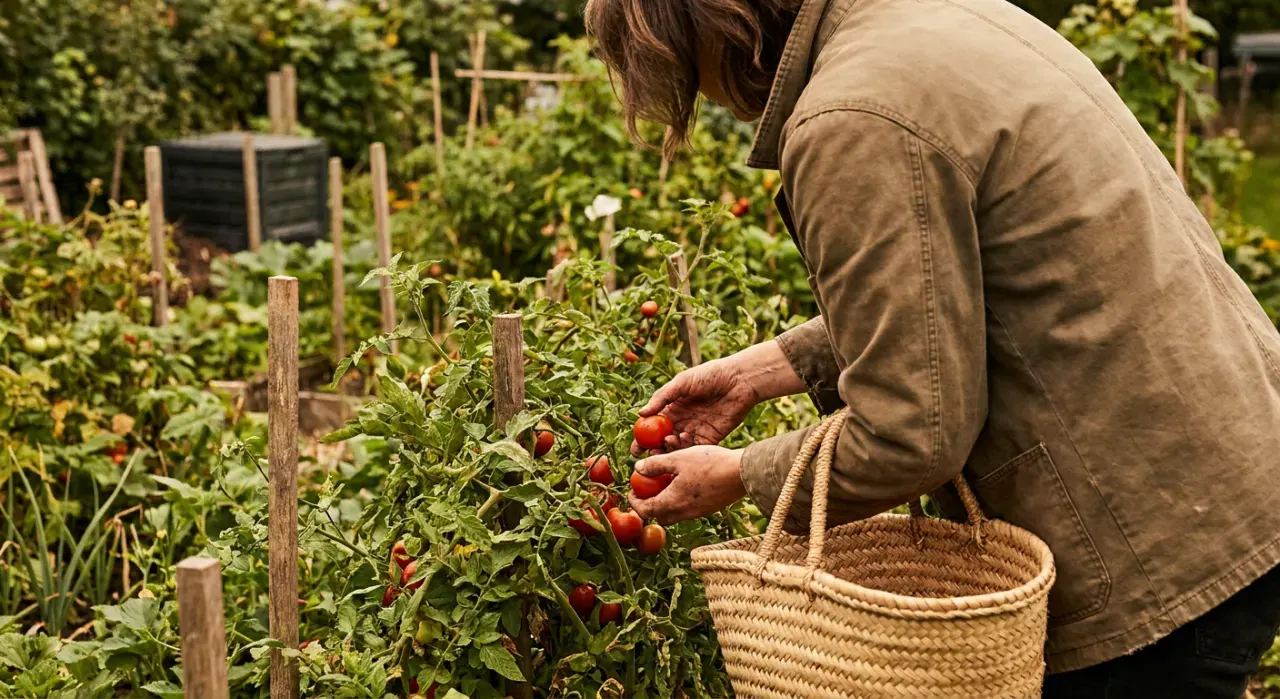
- Water deeply once or twice a week so moisture reaches 8 to 12 inches down to the tuber zone.
- Let the top inch dry slightly between waterings to keep soil oxygenated and roots healthy.
- Avoid daily light sprinkling, which wets only the surface, encourages weak roots, and can promote disease.
- Water in the morning at the base to keep foliage dry and reduce blight risk.
A soaker hose or drip line is ideal for delivering deep, even water without wetting the leaves.
Why consistent potato watering prevents deformed tubers
Potatoes are especially sensitive to swings in soil moisture. When a plant goes through a dry spell and then gets a heavy soaking, the tubers stop growing and then restart, and that stop-start pattern causes the classic defects: knobbly and misshapen potatoes, growth cracks, hollow heart, and second growth (small tubers sprouting off the main one). Steady, even moisture from flowering through bulking is the single best thing you can do for smooth, well-formed, full-size potatoes. If your potatoes come out lumpy year after year, uneven watering is the first thing to fix.
Soil, hilling and mulch help hold moisture
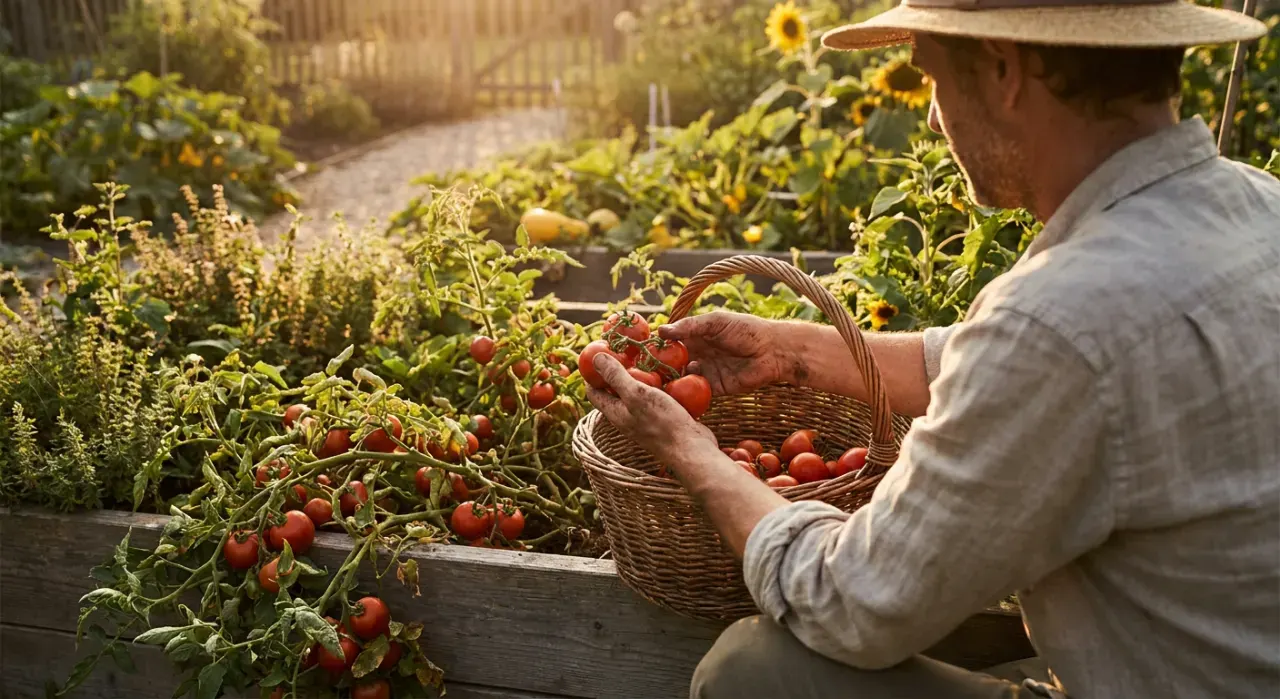
Good soil management makes consistent watering far easier:
- Improve soil with organic matter so it holds moisture without staying soggy.
- Hill soil up around the stems as plants grow — this protects developing tubers from light (which turns them green and bitter) and helps buffer moisture.
- Mulch with straw to slow evaporation, moderate soil temperature, and keep moisture even.
- Ensure drainage; in heavy soils, plant in raised rows or hills so tubers are not sitting in waterlogged ground.
Watering potatoes in containers and grow bags
Container potatoes follow the same stage-based logic but dry out much faster:
- Check daily in warm weather; grow bags and pots can need water every day or two at peak.
- Water until it drains from the bottom, then let the top inch dry before the next watering.
- Never let a container fully dry out during bulking, or you will get small, deformed tubers.
- Ensure the container drains freely; potatoes rot in a waterlogged bag.
Reading the signs of over- and under-watering
The plants tell you when the schedule is off, and learning to read them beats watering by rote:
| Sign | Meaning | Response |
|---|---|---|
| Wilting in the heat of the day, recovers by evening | Normal in extreme heat | No action if soil is moist below the surface |
| Wilting that does not recover, dry soil | Under-watered | Water deeply and mulch to hold moisture |
| Yellowing lower leaves, soggy soil, foul smell | Over-watered, roots suffocating | Stop watering, improve drainage |
| Curling or scorched leaf edges | Drought stress | Increase watering frequency and depth |
| Knobbly or cracked tubers at harvest | Inconsistent watering during bulking | Water more evenly next season |
Check soil moisture with your finger before reacting to wilt: dig down 2 to 3 inches, and if it is moist there, a wilting plant in afternoon heat is simply coping with temperature, not thirst. This one habit prevents the most common potato watering mistake — overwatering an already-moist bed because the leaves looked stressed at midday.
How weather, soil and method change the schedule
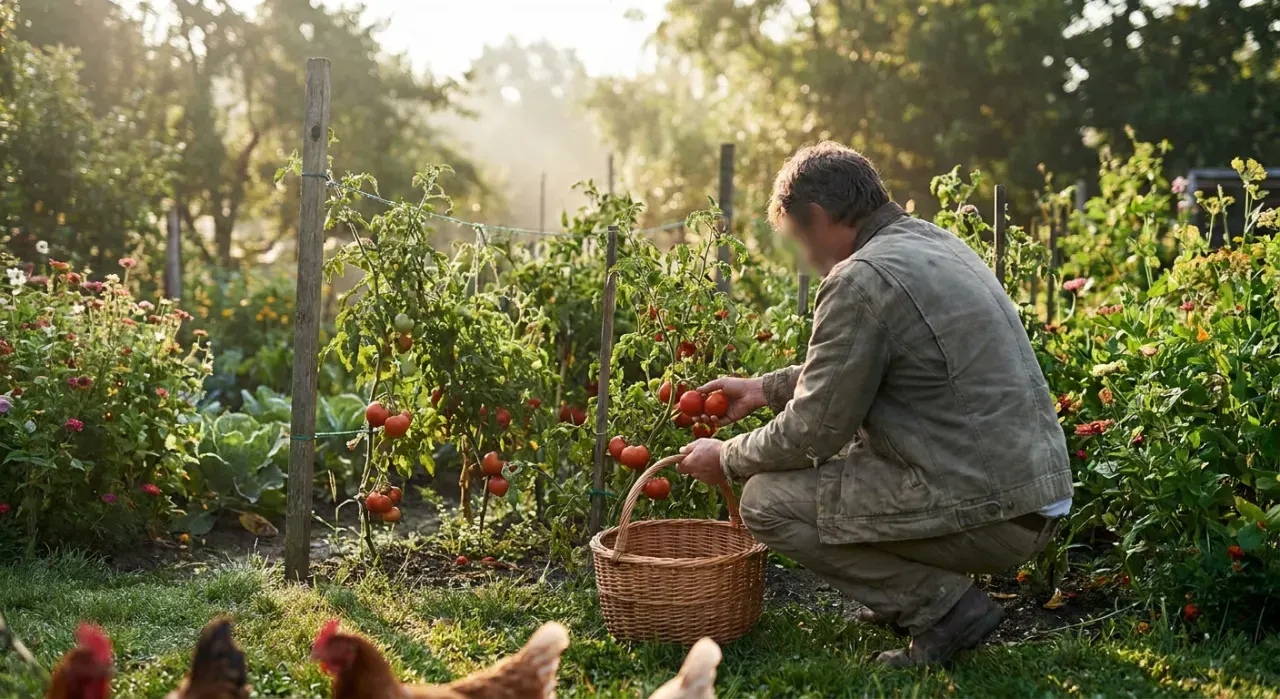
The "1 to 2 inches a week" rule is a starting point that shifts with conditions:
- Sandy soil drains fast and needs more frequent watering; work in compost to help it hold moisture.
- Clay soil holds water longer, so water less often but watch for waterlogging.
- Hot, windy weather raises water needs sharply, especially during bulking.
- Cool or rainy stretches may need no supplemental watering at all — always account for rainfall.
- Grow bags and containers dry out fastest of all and may need daily attention at peak.
- Straw-mulched beds hold moisture far longer and need less frequent watering.
A cheap rain gauge and a finger check are the two tools that turn the rule of thumb into an accurate schedule for your specific plot.
Best watering methods for potatoes
How you deliver water matters as much as how much, mainly because wet foliage invites late blight, the disease that devastates potato crops in humid weather:
- Drip irrigation or soaker hoses are the best choice, delivering deep, even moisture straight to the root zone while keeping leaves dry.
- Hand-watering at the base works well for small plots; aim the water at the soil, not the plant.
- Overhead sprinklers are the worst option for potatoes, wetting foliage and raising blight risk; if you must use one, water early in the morning so leaves dry fast.
- Water in the morning regardless of method, so any splashed foliage dries during the day.
Pair the right method with straw mulch, which slows evaporation, keeps soil moisture even, and suppresses the weeds that compete for water — a combination that makes consistent watering far easier to maintain across a hot summer.
Tapering off before harvest
The final watering decision affects storage. As the plants mature and the foliage naturally yellows and dies back, reduce watering, then stop entirely about two weeks before you plan to dig. This dry period cures the tubers in the ground, firming their skins so they resist bruising and store well for months. Harvesting from wet soil, or watering right up to the day, leaves skins tender and dramatically increases rot in storage. For new potatoes you plan to eat fresh, this dry-down matters less because you are not storing them.
Watered correctly through each stage, potatoes are a reliable, high-yielding crop. For irrigation across the whole plot see how often to water a vegetable garden, feed them with a balanced blend from our vegetable garden fertilizer picks, and browse the full seeds and vegetable growing hub for the rest of the kitchen garden. Note that potatoes should be kept away from tomatoes, as covered in our tomato companion planting guide, because they share blight.