 Garden
Affiliate Disclosure
Some links on this page are affiliate links. As an Amazon Associate, we earn from qualifying purchases — at no extra cost to you. We do not buy, test, or physically handle the products we cover; our rankings come from aggregated owner reviews, ratings and expert consensus. Commissions never change our verdicts. How we rank · full disclosure.
The short answer: to grow strawberries in pots, plant day-neutral or everbearing varieties in a container at least 6 to 8 in deep with good drainage, allowing about 8 to 10 in per plant. Use a quality potting mix, set the crown right at the soil surface (never buried), place the pot in full sun, water consistently (often daily in summer), and feed regularly through the fruiting season. Because the roots are shallow and the soil volume is small, container strawberries live or die on consistent water and never sitting in a soggy pot.
Strawberries are one of the best crops for pots, patios and balconies: they are compact, ornamental, and keep fruit up off the wet soil where slugs and rot get it. The trade-off is that pots dry out fast and offer less winter protection, so a little routine attention goes a long way. We do not test the products we rank; our picks come from aggregated owner reviews and expert consensus, explained in how we rank.
Choosing the right variety for pots
Strawberries come in three fruiting types, and the choice shapes your whole season.
| Type | Fruiting pattern | Pot suitability |
|---|---|---|
| Day-neutral (Albion, Seascape, Tristar) | Steady flushes spring through fall | Best — continuous harvest, few runners |
| Everbearing (Quinault, Ozark Beauty) | Two to three crops per season | Very good |
| June-bearing (Honeoye, Chandler) | One large crop in early summer | Workable but heavy runners crowd pots |
| Alpine (Mignonette) | Small berries all season, no runners | Excellent — tidy, tolerates part shade |
For most container growers, day-neutral varieties are the sweet spot: they fruit across the whole season, stay compact, and put out fewer runners to manage.
Picking the container
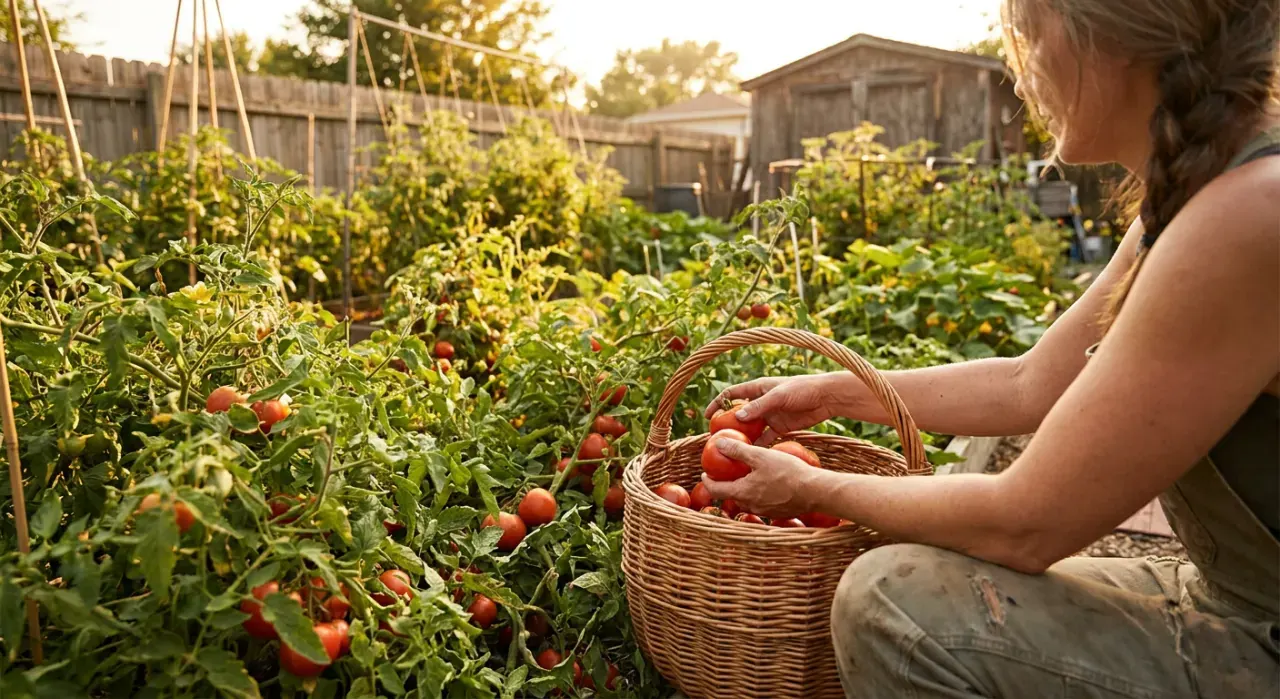
The right pot solves most container-strawberry problems before they start.
- Depth: at least 6 to 8 in of soil. Strawberry roots are shallow but need room to spread.
- Space per plant: 8 to 10 in. One plant per 1-gallon pot; two or three in a 12-in pot; several in a trough or half-barrel.
- Drainage: essential. Every container must have holes; strawberries rot in waterlogged soil.
- Material: terracotta breathes but dries fast; plastic and glazed pots hold moisture longer and are easier in hot climates. Hanging baskets and railing planters work well and keep fruit clean.
- Strawberry jars and towers fit many plants in a small footprint but dry unevenly — the top pockets parch while the bottom stays wet. A central watering tube (a perforated PVC pipe down the middle) fixes this.
Soil and planting
Use a good-quality, well-draining potting mix — not garden soil, which compacts and drains poorly in a pot. A mix with compost gives strawberries the rich, slightly acidic conditions they prefer (pH around 5.5 to 6.5). To plant:
- Fill the pot to within an inch of the rim with moist potting mix.
- Set the crown at soil level. This is the make-or-break step: the crown (where leaves meet roots) must sit right at the surface. Bury it and it rots; expose the roots and it dries out and dies.
- Spread the roots downward and fan them out, then firm the soil gently around them.
- Space plants 8 in apart in larger containers.
- Water in well and place in full sun.
Sun and placement
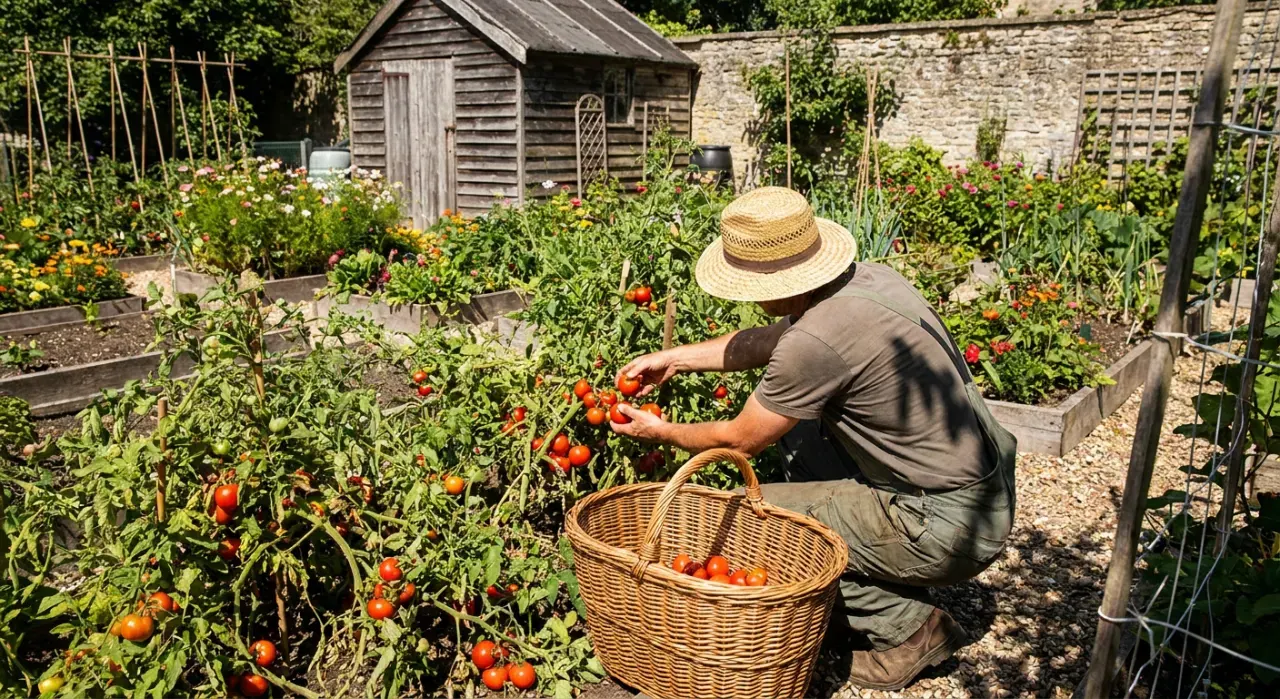
Strawberries need 6 to 8 hours of direct sun to produce sweet, abundant fruit. Less light gives leafy plants and sparse, sour berries. The great advantage of pots is mobility: chase the sun by moving containers to the brightest spot, and shift them to light afternoon shade during extreme heat, which can otherwise scorch fruit and stress plants. On a balcony, position pots where they get the most unobstructed sky. Good airflow around the pots also reduces the fungal diseases that plague crowded strawberries.
Watering potted strawberries
This is the single biggest factor in container success. Shallow roots plus limited soil means pots dry out quickly — often daily in summer, sometimes twice a day in a heat wave or a small hanging basket. Check by feeling the soil an inch down and water whenever it is dry. Keep moisture consistent, especially during flowering and fruiting, because drought at that stage means small, deformed berries. But the pot must drain freely: standing water causes crown and root rot, the most common killer of potted strawberries. Water in the morning, at the base, keeping the crown and ripening fruit dry to prevent rot and disease. The same shallow-root, water-often logic covers other potted fruit and herbs; the pattern echoes how often to water strawberries in the ground.
Feeding for a long harvest
Container strawberries need regular feeding because nutrients wash out with frequent watering. Start with a balanced fertilizer mixed into the potting soil at planting, then switch to a feed higher in potassium once flowering begins, which supports fruit production. A dilute liquid tomato or berry fertilizer every one to two weeks through the fruiting season works well. Ease off feeding in late fall as plants prepare for dormancy. Do not overfeed nitrogen, which grows lush leaves at the expense of fruit.
Runners and ongoing care
Many strawberries send out runners — long stems with baby plantlets at the tips. In a pot, these drain energy from fruiting, so pinch most of them off. You can, however, root a few runners into small pots of soil to make free new plants, then cut them from the parent once established — a handy way to keep a rolling supply, since plants decline after two or three years. Also pinch off the first flowers on newly planted day-neutral strawberries for the first few weeks; sacrificing that early fruit lets the plant establish and rewards you with a much heavier crop later. Remove dead leaves and any moldy berries promptly to keep disease out.
Overwintering potted strawberries
Strawberries are perennials, but roots in a pot are far more exposed to cold than roots in the ground and can be killed by hard freezes. In cold climates:
- Let plants go dormant after the first frosts, then stop watering heavily.
- Move pots to shelter — an unheated garage, shed, or against a sheltered south wall. The aim is cold enough for dormancy but protected from deep freeze.
- Mulch with straw over the crowns for insulation.
- Water sparingly through winter so the soil never fully dries but is never wet.
- Bring back into the light in early spring as growth resumes.
Expect two to three productive years from a set of plants before yields fall and it is time to replace them, ideally with runners you rooted the previous summer. For picking the container itself, see our ranked best strawberry planter guide, and for the wider small-space picture, best vegetables to grow in a small raised bed. Everything else is at the seeds and vegetable growing hub.