 Garden

Affiliate Disclosure
Some links on this page are affiliate links. As an Amazon Associate, we earn from qualifying purchases — at no extra cost to you. We do not buy, test, or physically handle the products we cover; our rankings come from aggregated owner reviews, ratings and expert consensus. Commissions never change our verdicts. How we rank · full disclosure.
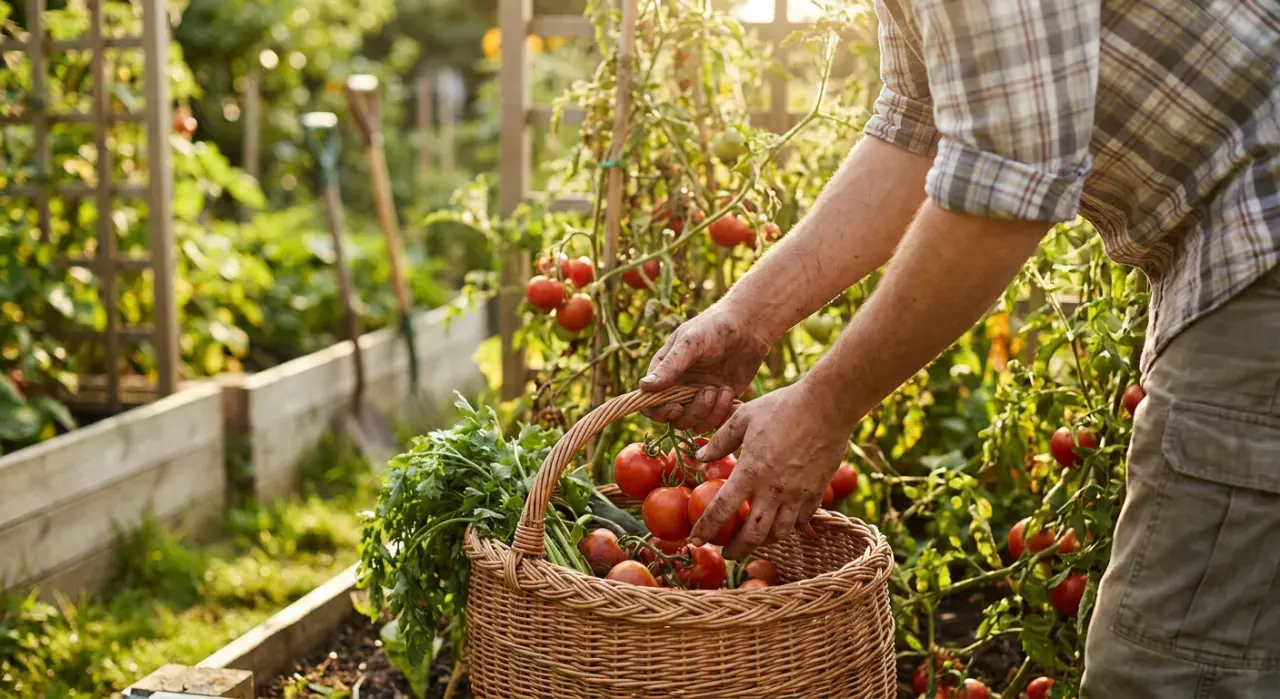
Warm season vegetables are frost-tender crops that need warm soil above about 60°F and warm air to grow — tomatoes, peppers, eggplant, cucumbers, squash, melons, beans, corn, okra and sweet potatoes. They are killed by frost, germinate only in warm soil, and produce through the heat of summer, the opposite pattern to cool season crops. Getting them in after the last frost, once the soil has genuinely warmed, is what separates a strong harvest from a stunted one.
We do not test or physically handle the plants and products we cover; our guidance draws on horticultural extension research and the aggregated experience in thousands of owner reviews, as explained in how we rank.
What makes a vegetable warm season
Warm season vegetables trace their ancestry to tropical and subtropical regions, and their biology still reflects it. They need warm soil to germinate, warm air to photosynthesize efficiently, and they have no defense against frost. Growth stalls when nights drop into the 40s°F even though no frost has occurred, and a light freeze ends the plant entirely.
This is the mirror image of cool season vegetables, which germinate in cold soil, shrug off frost, and bolt in heat. Every vegetable garden is really two overlapping gardens — a cool one at the ends of the season and a warm one through its middle — and knowing which crops belong to each is the foundation of good timing.
Warm-season crops also tend to be the high-value, long-season anchors of a summer garden: the tomatoes, peppers and squash that occupy a bed for most of the frost-free season and produce continuously once they start. Because they need the whole warm stretch to ripen fruit, they reward planning ahead — starting the slow ones indoors, choosing cultivars that finish inside your season, and giving them the richest, sunniest beds. Unlike a quick radish that forgives a mistimed sowing, a tomato started too late or set out too early can cost you weeks of the short window it has, so getting the timing right matters more with these crops than almost any others.
The full list of warm season vegetables
| Group | Crops | Typical days to maturity |
|---|---|---|
| Nightshades | Tomatoes, peppers, eggplant, tomatillos | 60 to 85 (from transplant) |
| Cucurbits | Cucumbers, zucchini, summer & winter squash, melons, pumpkins | 50 to 100 |
| Legumes | Bush beans, pole beans, lima beans, cowpeas | 50 to 75 |
| Grasses & others | Sweet corn, okra, sweet potatoes | 60 to 120 |
A few crops straddle the line — basil, for instance, is a warm-season herb that dies at the first frost right alongside the tomatoes it partners with.
The warm soil they demand
Soil temperature is the make-or-break factor. Sown too cold, warm season seed rots; sown into properly warm soil, the same seed races.
| Crop | Minimum soil temp | Ideal soil temp |
|---|---|---|
| Beans | 60°F | 70 to 85°F |
| Cucumbers | 60°F | 70 to 90°F |
| Corn | 60 to 65°F | 70 to 85°F |
| Tomatoes (transplant) | 60°F | 70 to 80°F |
| Peppers & eggplant | 65°F | 70 to 85°F |
| Melons & okra | 65 to 70°F | 75 to 90°F |
A soil thermometer pushed 2 to 3 inches into the bed at mid-morning tells you far more than the air temperature. Waiting for the soil to warm is the most common piece of advice experienced gardeners give beginners about these crops. A useful habit is to check the soil at the same time for several mornings running: a single warm afternoon can spike air temperatures while the soil below stays cold, and it is the soil the seed and roots actually sit in. Raised beds and sandy soils warm faster than heavy clay, so the same calendar date can mean very different soil temperatures across two gardens in the same town. Where the season is short, pre-warming a bed for a week or two under black plastic or a cloche can lift the soil the few degrees that let melons, okra or peppers get away cleanly.
Why frost is fatal
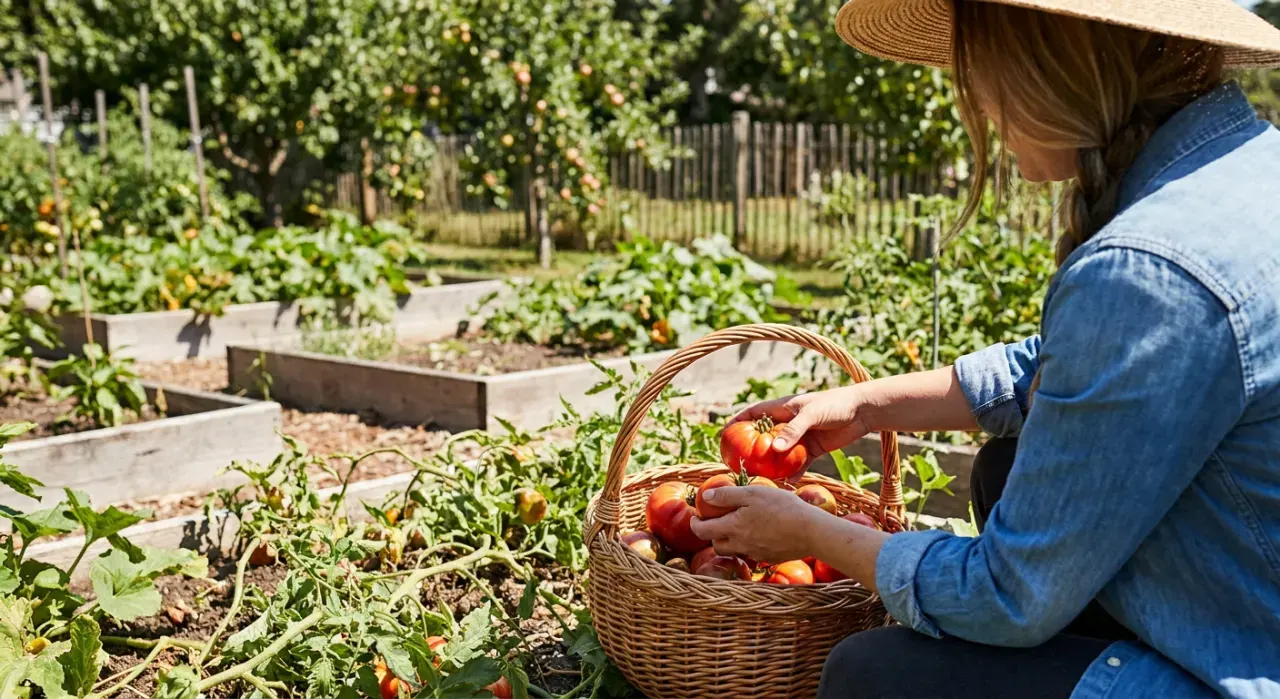
Unlike hardy greens that convert starch to sugar as antifreeze, warm season crops have no protection against ice forming in their tissues. At 32°F, cells rupture and the plant blackens, usually within hours. Damage begins even earlier: chilling injury in the 40s°F causes stunted growth, purple leaves, and blossom drop in tomatoes and peppers well before any frost. The result is a hard rule — these crops go out only after the last spring frost has passed and cold nights are behind you, and they come out before the first fall frost, which is exactly the boundary that defines the warm season in the vegetable planting calendar.
Timing warm season crops after last frost
The trigger is the last frost date plus warm soil, not the calendar month. Set transplants and direct-sow seed 1 to 3 weeks after the last frost.
| USDA zone | Approx. last frost | Safe planting-out window |
|---|---|---|
| 3 to 4 | Late May | Early to mid-June |
| 5 to 6 | Mid-Apr to early May | Mid to late May |
| 7 | Late Mar to mid-Apr | Late Apr to early May |
| 8 | Early to mid-Mar | Late Mar to April |
| 9 to 10 | Feb or frost-free | Feb to March; avoid peak heat |
Start long-season nightshades indoors first: peppers and eggplant 8 to 10 weeks before last frost, tomatoes 6 to 8 weeks. See what to plant in summer for the succession sowings that keep beans and squash coming through the season.
Stretching a short warm season
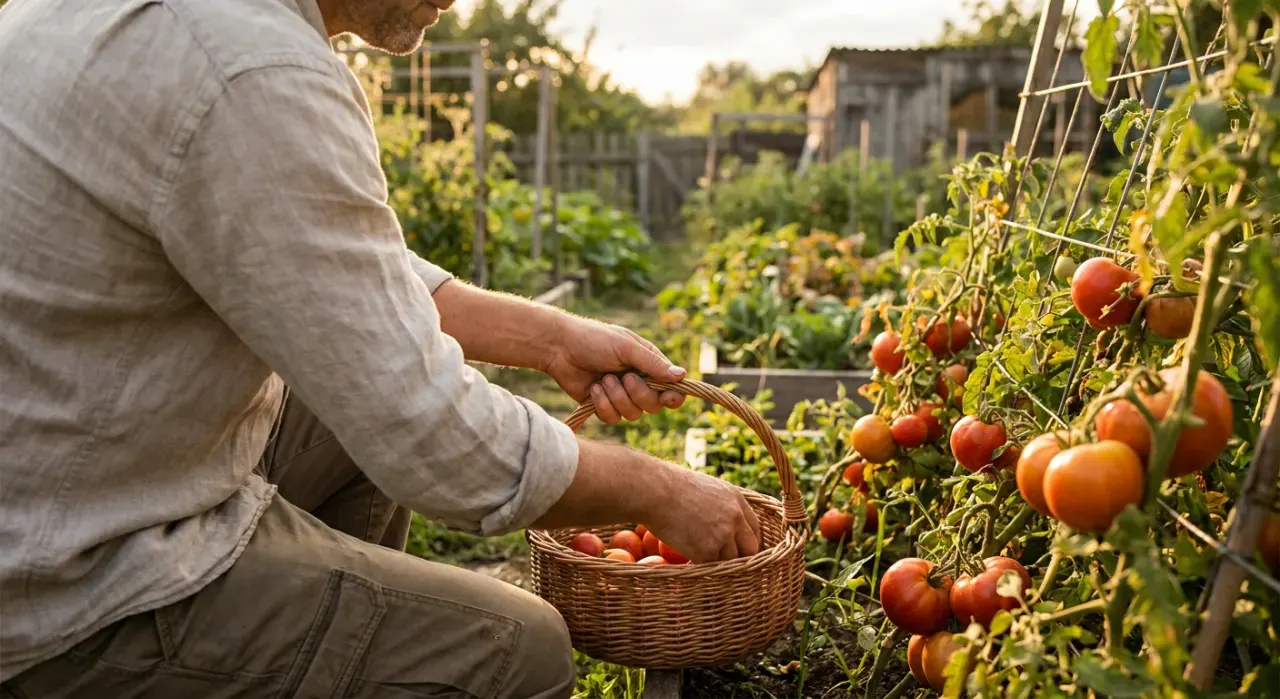
In cold zones with a brief frost-free window, small tactics add up. Black or IRT plastic mulch warms the soil a critical few degrees for melons and peppers. Starting nightshades indoors gives a running head start on the season. Choosing short-season cultivars — a 55-day tomato like 'Early Girl' or a fast corn — ensures a crop finishes before fall frost. Cloches, row cover and wall-of-water protectors buffer chilly early nights so transplants can go out a week or two sooner without chilling injury.
Getting the most from warm season crops
- Wait for warm soil — a planting delayed into 65°F soil often beats one rushed into 50°F soil.
- Water deeply and consistently — heat-lovers are heavy drinkers; uneven water causes cracking, blossom-end rot and bitterness.
- Feed the heavy feeders — tomatoes, peppers and squash respond to steady feeding through their long season.
- Succession-sow beans and cucumbers every 2 to 3 weeks for a continuous supply.
- Harvest before first fall frost — one cold night ends the whole warm-season garden.
Related: cool season vegetables, the vegetable planting calendar, the Seeds & Vegetable Growing hub, and how we rank.