 Garden

Affiliate Disclosure
Some links on this page are affiliate links. As an Amazon Associate, we earn from qualifying purchases — at no extra cost to you. We do not buy, test, or physically handle the products we cover; our rankings come from aggregated owner reviews, ratings and expert consensus. Commissions never change our verdicts. How we rank · full disclosure.
What to plant in summer splits into two jobs: direct sowing fast heat-lovers like bush beans, cucumbers, summer squash and corn into warm soil, and — from midsummer on — starting the fall garden with broccoli, cabbage, kale, carrots and beets that mature as the weather cools. The right choice depends on how many days remain before your first fall frost, so this guide gives zone-by-zone timing, soil temperatures in °F, and days to maturity to keep summer beds productive right through to autumn.
We do not test or physically handle the plants and products we cover; our guidance draws on horticultural extension research and the aggregated experience in thousands of owner reviews, as explained in how we rank.
Summer planting has two jobs
By the time summer arrives the spring beds are filling out, but the planting is far from over. Summer holds two distinct tasks. The first is succession sowing warm-season crops — keeping beans, cucumbers and squash coming by re-sowing every few weeks. The second, starting around midsummer, is launching the fall garden by sowing cool-season crops in the heat so they mature in autumn.
Both hinge on one calculation: how many days are left until your first fall frost. Match every summer sowing to a crop that finishes within that window. The count-back method is covered in when to plant vegetables.
Summer is also the season most gardeners underuse. It is easy to plant heavily in spring, then treat the summer garden as pure maintenance — watering, staking and harvesting what is already growing. But every bed that empties as a spring crop finishes is an opportunity, and the crops that go into those beds in June, July and August are what carry the harvest through autumn and, in mild zones, into winter. Thinking of summer as an active planting season rather than a holding pattern is the single change that most extends a garden's productive year. The trick is simply to keep seed on hand and sow into each gap as it opens, rather than letting cleared beds sit bare and weedy through the hottest weeks.
Fast warm-season crops for early summer
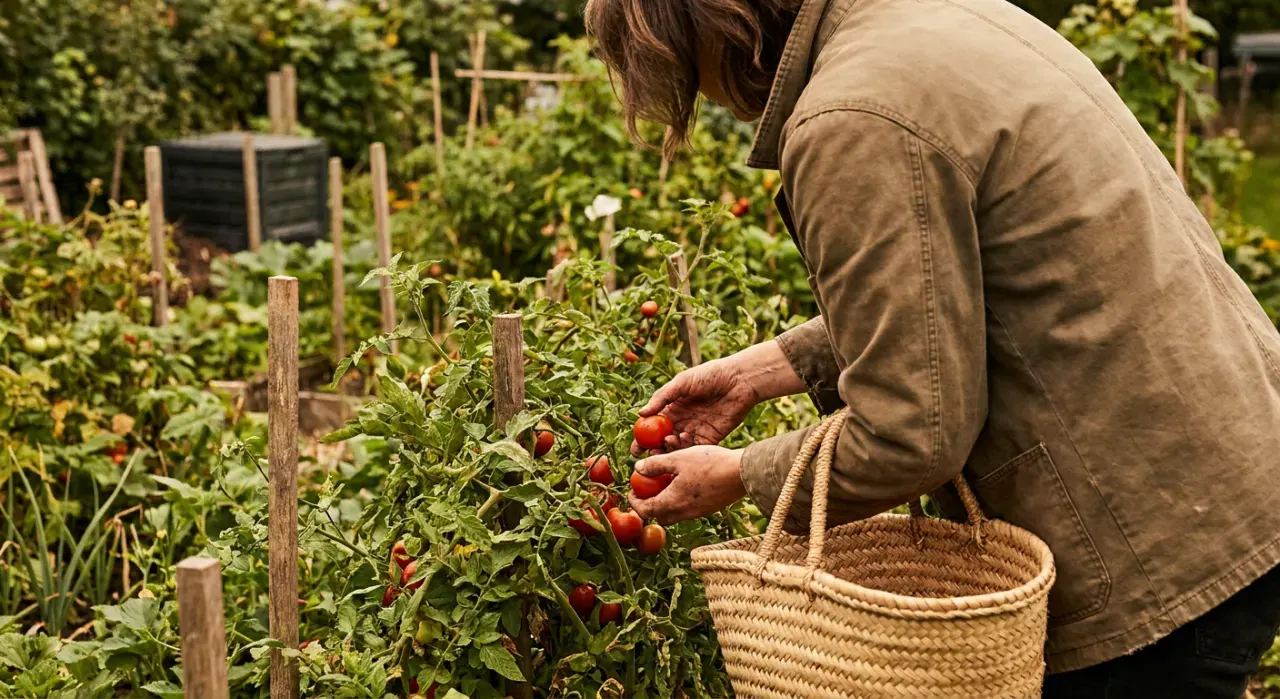
Warm soil is ideal for direct-sowing quick heat-lovers that will crop before fall.
| Crop | Soil temp to sow | Days to maturity |
|---|---|---|
| Bush beans | 60°F | 50 to 60 |
| Summer squash | 65°F | 45 to 55 |
| Cucumbers | 65°F | 50 to 60 |
| Sweet corn (fast types) | 65°F | 65 to 75 |
| Quick melons | 70°F | 70 to 80 |
These are the crops to keep succession-sowing in early and midsummer, matched to the warm season vegetables that fill the heart of the season. Bush beans are the workhorse here: a fresh row sown every two to three weeks through early and midsummer keeps tender pods coming right up until frost, where a single spring sowing would give one heavy flush and then peter out. Cucumbers and summer squash benefit from a second, later planting too, because the first plants often succumb to powdery mildew or squash-vine borers by late summer, and a younger backup plant sown in July takes over just as the older one fades. This staggered approach turns a handful of fast crops into a continuous supply rather than a series of gluts.
Starting the fall garden in midsummer
From July onward, the focus shifts to cool-season crops that need to mature as the days shorten. They are sown in heat but harvested in cool weather.
| Crop | When to start | Days to maturity |
|---|---|---|
| Broccoli, cabbage (transplants) | Early to mid-July | 55 to 75 |
| Brussels sprouts | Early July | 90 to 110 |
| Carrots, beets | Mid-July to Aug | 55 to 80 |
| Kale, collards | July to Aug | 50 to 65 |
| Bush beans (last sowing) | Up to ~9 weeks before frost | 50 to 60 |
The full fall approach, including which crops sweeten after frost, is in what to plant in fall.
Germinating seed in summer heat
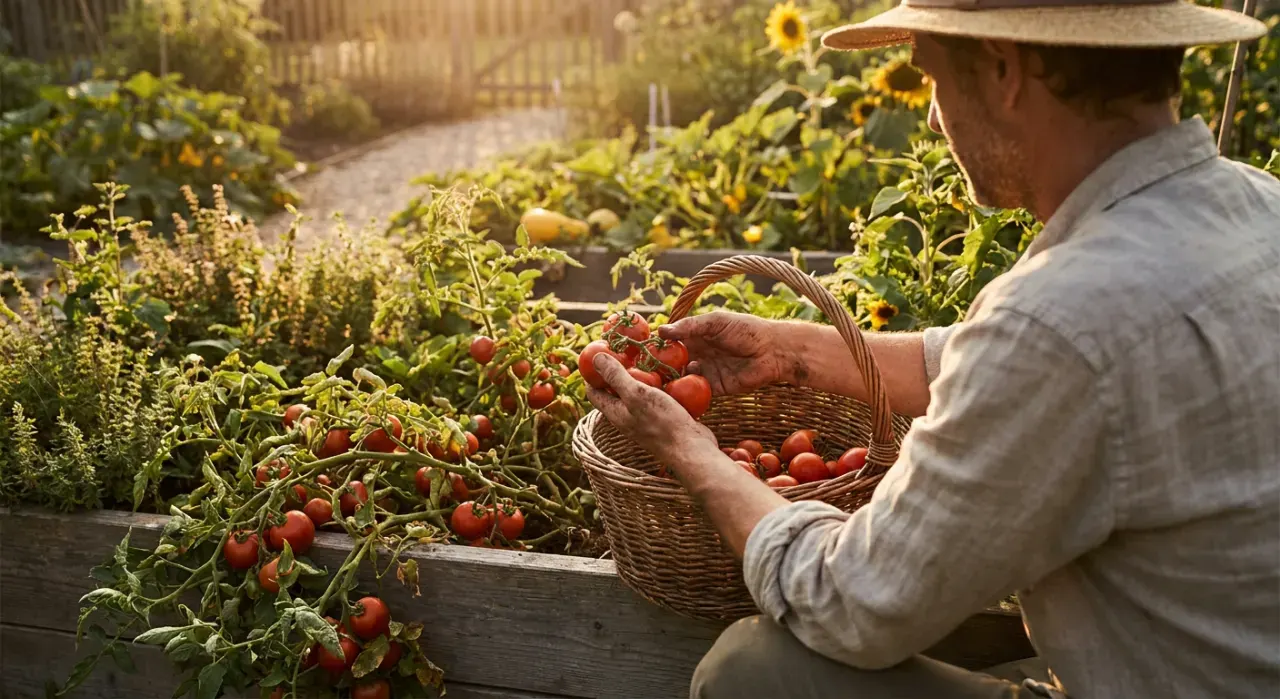
The real difficulty of summer sowing is not cold but heat and drought at the seedbed. Hot, dry soil kills germinating seed and crusts over.
- Sow deeper than in spring so seed reaches cooler, moister soil.
- Water daily until seedlings emerge — never let the seedbed dry out.
- Shade the row with a board, burlap or shade cloth for the first few days.
- Mulch once up to hold moisture and cool the root zone.
- Prefer transplants for brassicas started in a shadier spot, then set out.
Heat-tolerant greens for high summer
True spinach and lettuce bolt in the heat, but a few greens stand up to summer. Malabar spinach and New Zealand spinach are unrelated to true spinach and actually thrive in heat, giving cut-and-come-again leaves through the hottest weeks. Amaranth greens, Swiss chard and heat-tolerant lettuce cultivars like 'Jericho' or 'Muir' hold longer before bolting. Herbs such as basil peak in summer heat right alongside the tomatoes. These fill the salad gap that opens when spring greens give out.
Zone-by-zone summer planting
| USDA zone | Heat-crop sowing | Fall-garden start |
|---|---|---|
| 3 to 4 | June to early July | Early to mid-July |
| 5 to 6 | June to July | July to early Aug |
| 7 | June to July | Aug |
| 8 | Avoid peak heat; sow early | Aug to Sep |
| 9 to 10 | Heat-tolerant crops only | Sep onward |
In the hottest zones, midsummer is a low point for planting — the focus is keeping existing crops watered and preparing for the fall and winter season that follows. In zones 9 and 10, the deep heat of July and August plays the role that deep winter plays farther north: a season to endure rather than to plant into. Many southern gardeners rest their beds under mulch or a cover crop through the worst of the heat, then launch an ambitious fall and winter garden as temperatures ease in September. Recognizing that your hardest gardening season may be summer rather than winter reshapes the whole calendar, and it explains why a planting guide written for a cooler region can feel so wrong when applied to a hot one.
Summer planting tips
- Count the days to frost before every summer sowing — it decides what will finish.
- Keep the seedbed moist — heat and drought, not cold, are the summer enemies.
- Succession-sow beans and squash every 2 to 3 weeks for a steady supply.
- Start brassicas by midsummer — a late start means a failed fall crop.
- Lean on heat-tolerant greens when spring lettuce and spinach bolt.
Related: summer vegetables to plant, what to plant in fall, the vegetable planting calendar, and how we rank.