 Garden

Affiliate Disclosure
Some links on this page are affiliate links. As an Amazon Associate, we earn from qualifying purchases — at no extra cost to you. We do not buy, test, or physically handle the products we cover; our rankings come from aggregated owner reviews, ratings and expert consensus. Commissions never change our verdicts. How we rank · full disclosure.
What to plant in December depends on your zone: cold-region gardeners in zones 3 to 5 grow microgreens and sprouts indoors and plan next year, temperate zones 6 to 7 harvest cold-frame greens and mulch garlic, and warm zones 8 to 11 direct-sow cool-season crops like spinach, lettuce, peas, and fava beans — with frost-free regions planting the full vegetable range. December is the quietest outdoor month in the north and one of the most productive in the far south. Here is the crop-by-crop plan for each climate band.
We do not test or physically handle the plants and products we cover; our guidance draws on horticultural extension research and the aggregated experience in thousands of owner reviews, as explained in how we rank.
December brings the shortest days and the longest nights of the year, and with them the widest contrast in American gardening. For the north and much of the temperate middle, outdoor planting has stopped entirely — the month belongs to indoor microgreens and sprouts under lights, to harvesting whatever hardy crops still hold under cover, and above all to planning the season ahead. In the frost-free far south, December is the exact opposite: one of the most productive planting months of the whole year, when the mild winter carries a full garden of tomatoes, beans, greens, roots, and peas. The warm South falls in between, still actively direct-sowing the cool-season crops that thrive in its gentle winter. Where the ground is frozen, the value of December is quiet but real — ordering seed before popular varieties sell out, mapping beds and crop rotation, testing leftover seed, and readying the equipment that will start onions under lights in just a few weeks. Growing something green indoors bridges the darkest stretch and keeps the gardening rhythm alive. Below, each climate band gets its own crop-by-crop plan.
December planting at a glance by zone
Find your band, then read the matching section. December is the month of widest contrast in American gardening: frozen and indoors in the north, peak cool-season production in the frost-free south.
| USDA zone | December focus | Key action |
|---|---|---|
| 3 to 5 (cold) | Indoors and planning | Grow microgreens; order seed; plan and prep |
| 6 to 7 (temperate) | Cold frames and rest | Harvest under cover; mulch garlic; plan |
| 8 to 9 (warm) | Cool-season sowing | Direct-sow greens, peas, fava; transplant brassicas |
| 10 to 11 (frost-free) | Peak planting | Full vegetable range, including tomatoes and beans |
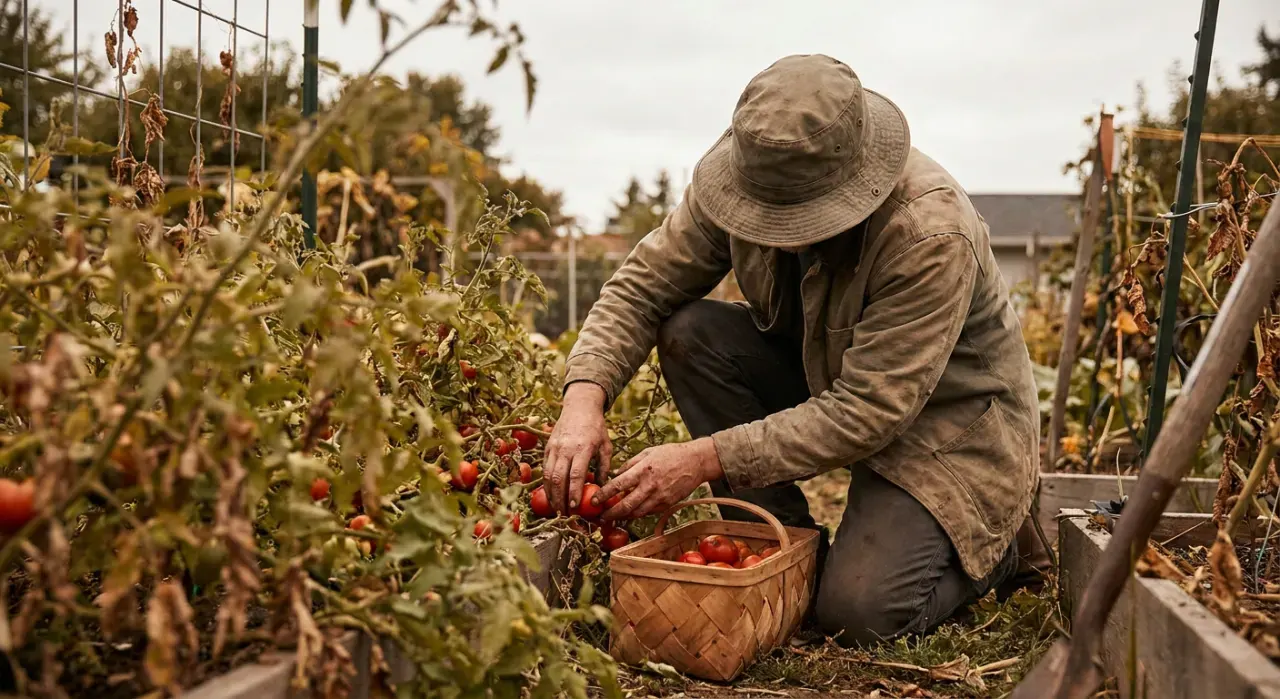
Cold regions (zones 3-5): the indoor garden and the planning table
Outdoor planting is done in the north, so December moves under a roof. Fresh greens come from trays and jars, and the real work is setting up a smooth, on-time next season.
| Grow / task | Method | Notes |
|---|---|---|
| Microgreens | Sow densely in trays under light | Harvest in 1 to 3 weeks |
| Sprouts | Rinse in a jar twice daily | Ready in days; no soil |
| Windowsill herbs | Pot on a bright sill | Chives, parsley, mint |
| Planning and seed orders | At the desk | Order early; map rotation |
Order seed now — popular varieties sell out by late winter — and sketch your beds and crop rotation so heavy feeders follow legumes and brassicas do not repeat in the same ground. Test leftover seed by sprouting ten between damp paper towels. Clean and sharpen tools, and check the mulch on overwintering garlic and crops.
Temperate regions (zones 6-7): cold frames and winter rest
Zones 6 and 7 do very little outdoor planting in December, but the fall-planted cold-frame and low-tunnel crops keep giving, and there are small jobs to protect the garden through winter.
- Harvest under cover — spinach, mâche, arugula, and hardy lettuce from cold frames and low tunnels.
- Dig mulched roots — carrots, beets, and leeks under heavy straw can be lifted through winter and taste sweeter after frost.
- Mulch garlic — top up straw over fall-planted garlic to prevent frost heave.
- Plan and prep — order seed, and grow microgreens indoors for fresh greens.
Vent covers on mild, sunny days so trapped heat does not cook the greens, and keep an eye on soil moisture under tunnels. For the hardy crops and season-extension methods that make winter harvests possible, see fall vegetables to plant.
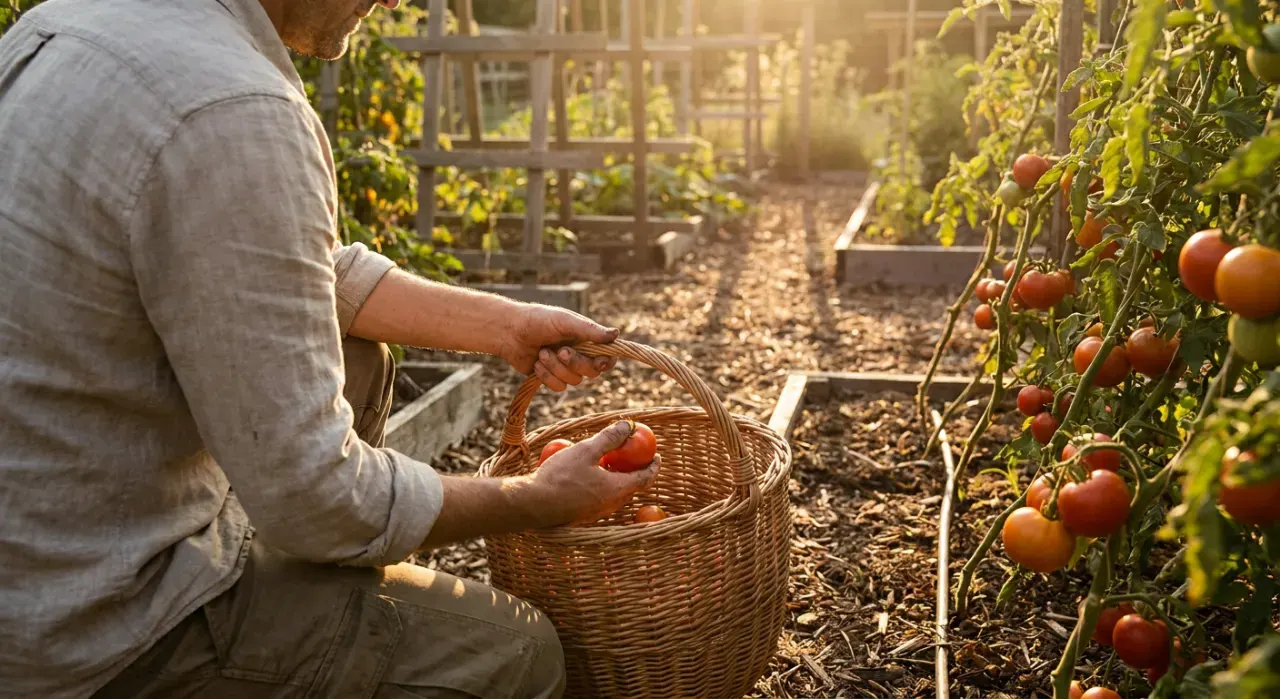
Warm regions (zones 8-9): the cool-season garden keeps producing
In the warm South, December is a genuine planting month. Cool-season crops thrive in the mild weather, and plenty can be direct-sown or transplanted.
| Crop | Method | Days to maturity |
|---|---|---|
| Spinach, lettuce, arugula | Direct, ¼ to ½ in. deep | 30 to 50 |
| Radishes and turnips | Direct, ½ in. deep | 25 to 50 |
| Carrots and beets | Direct, ½ in. deep | 55 to 75 |
| Peas and fava beans | Direct, 1 to 1½ in. deep | 55 to 90 |
| Broccoli, cabbage, kale | Transplant | 55 to 75 |
Succession-sow salad greens and radishes for a steady winter supply. Keep frost cloth ready for the occasional hard freeze that can reach these zones, and cover tender transplants when a cold snap threatens. Hardy crops shrug off light frost and often sweeten with it.
Frost-free regions (zones 10-11): peak of the growing year
In south Florida, deep south Texas, coastal southern California, and Hawaii, December is one of the best planting months of the entire year. With mild temperatures and no frost, the whole vegetable catalog is available: transplant tomatoes, peppers, and eggplant; direct-sow beans, cucumbers, and squash; and plant the full cool-season range of greens, roots, brassicas, peas, and fava beans. This is the productive heart of the growing season in these regions, so December plantings will crop steadily through the mild winter and into spring. The cool, short days suit leafy greens and root crops especially well, and the low pest pressure of winter makes for some of the cleanest, easiest growing of the year. Staggering sowings of quick crops every couple of weeks keeps salads and greens coming continuously, and warm-season crops set out now will be fruiting long before gardeners in colder zones have even started their seeds indoors.
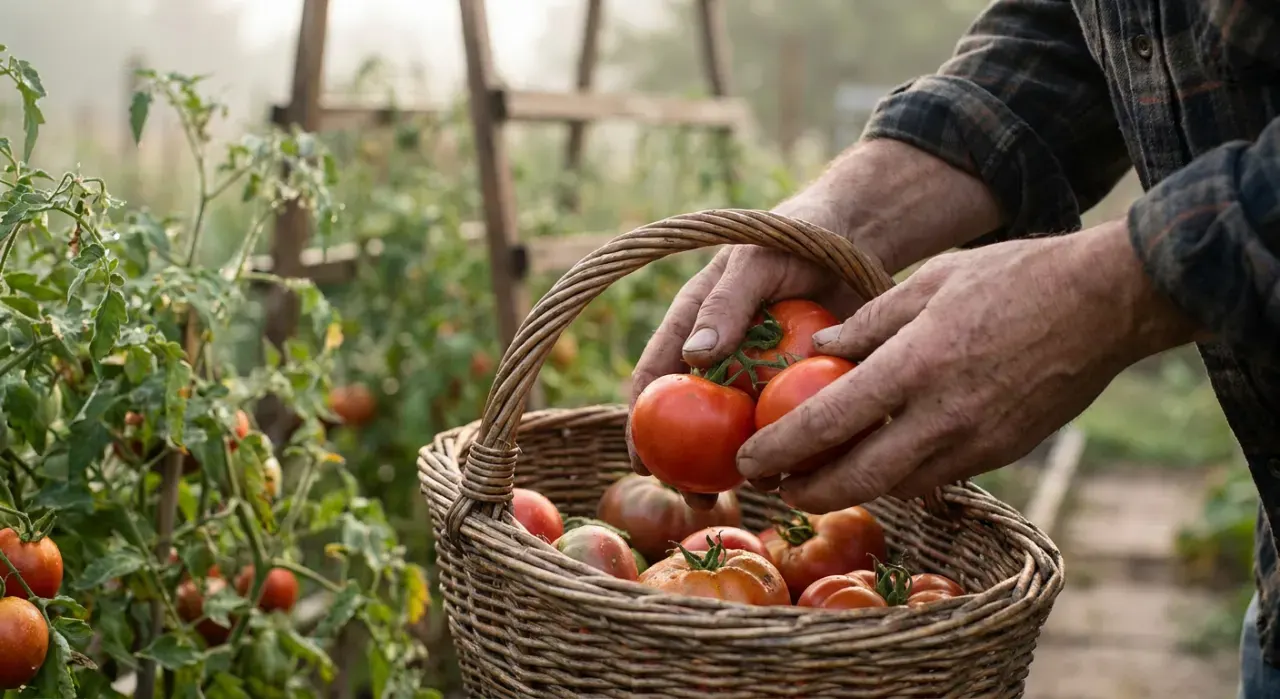
Planning that sets up a great next season
Even where nothing goes in the ground, December is the most valuable planning month of the year. A few hours now prevents a scrambled spring.
- Order seed early — the best tomato, pepper, and specialty varieties sell out by late winter.
- Map beds and rotation — plan so brassicas do not follow brassicas and heavy feeders rotate onto ground that held legumes.
- Plan successions — sketch a schedule for fast crops like lettuce and radishes so harvests come steadily.
- Test and inventory seed — sprout ten seeds of anything old between damp paper towels to check viability before you rely on it.
Clean and store tools, pots, and trays now so everything is ready when the first indoor sowings of onions and leeks come around in January.
Common December gardening mistakes
| Mistake | Result | Fix |
|---|---|---|
| Waiting too long to order seed | Favorite varieties sold out | Order in December before the rush |
| Sealing cold frames on sunny days | Overheated, cooked greens | Vent covers when the sun is out |
| Skipping garlic mulch top-up | Frost-heaved cloves | Keep a thick mulch over overwintering garlic |
| No frost cover ready in the warm South | A rare hard freeze hits tender crops | Keep frost cloth on hand through winter |
Growing greens under lights through the darkest month
December has the shortest days of the year, and for cold-zone gardeners it is when a small indoor grow-light setup earns its keep, turning a windowsill or a shelf into a source of fresh greens while the garden sleeps. Natural light through a December window is too weak and brief to grow much, so a light is what makes real indoor production possible.
- Microgreens under a shop light — a single LED or fluorescent fixture over a couple of trays produces a steady supply of nutrient-dense greens harvested at the seedling stage in one to three weeks. Broccoli, radish, pea, and sunflower are fast and forgiving.
- Baby salad leaves — leaf lettuce, arugula, and mustards grown under lights in shallow containers give cut-and-come-again salads all winter.
- Herbs on a bright shelf — basil, cilantro, parsley, and chives hold or slowly grow under a light, keeping the kitchen supplied.
The setup need not be elaborate. A full-spectrum LED fixture kept 2 to 4 inches above the plants, run 12 to 16 hours a day on a timer, over trays of moist seed-starting mix, is enough for microgreens and baby greens. Keep the mix damp but not soggy, and give a little air movement to prevent the fungal problems that thrive in still, humid indoor air. December is also the perfect moment to think ahead to the indoor seed-starting season that begins in just a few weeks: onions and leeks go under lights in January, so a light shelf set up now for winter greens is the same equipment you will use to launch the spring garden. Growing something green through the darkest weeks keeps the gardening habit alive and bridges the gap until the outdoor season returns.
Related: look back at what to plant in November, ahead to what to plant in January, review the full winter planting guide, or read how we rank.