 Garden
Affiliate Disclosure
Some links on this page are affiliate links. As an Amazon Associate, we earn from qualifying purchases — at no extra cost to you. We do not buy, test, or physically handle the products we cover; our rankings come from aggregated owner reviews, ratings and expert consensus. Commissions never change our verdicts. How we rank · full disclosure.
What to plant in winter depends on your zone: in cold zones 3 to 6 it means starting long-season seeds indoors — onions, then peppers and tomatoes as spring nears — and planning, while in mild zones 8 to 10 it is prime outdoor season for lettuce, spinach, kale, broccoli, carrots and peas. Winter is really two different gardens, and this guide covers both — indoor seed-starting by count-back, mild-zone outdoor crops, soil temperatures in °F, and the planning that sets up the whole year.
We do not test or physically handle the plants and products we cover; our guidance draws on horticultural extension research and the aggregated experience in thousands of owner reviews, as explained in how we rank.
Winter is two different gardens
No season varies more by location than winter. In cold zones, the ground is frozen and the outdoor garden is dormant — winter work is indoors, starting seeds and planning. In mild zones, winter is the peak growing season for cool-season crops, free of the summer heat that makes them bolt.
So the question "what to plant in winter" has two answers depending on your climate. This guide covers both: the indoor and planning work that carries cold-zone gardeners through, and the active outdoor planting that fills mild-zone winters. The crops involved are the frost-tolerant cool season vegetables.
There is also a large middle ground — zones 5 to 7 — where winter is neither fully dormant nor fully productive. In these climates the strategy is protection and holding: hardy crops planted in fall survive under cover but grow very little in the short, cold days, essentially sitting in cold storage in the garden until the light returns in late winter. Understanding which of these three situations you are in — dormant and indoors, holding under cover, or actively growing outdoors — is the first step, because it changes everything about what "planting in winter" means for you. A gardener in Minnesota and one in coastal California are doing almost nothing alike in January, even though both are technically tending a winter vegetable garden.
Cold zones: what to start indoors
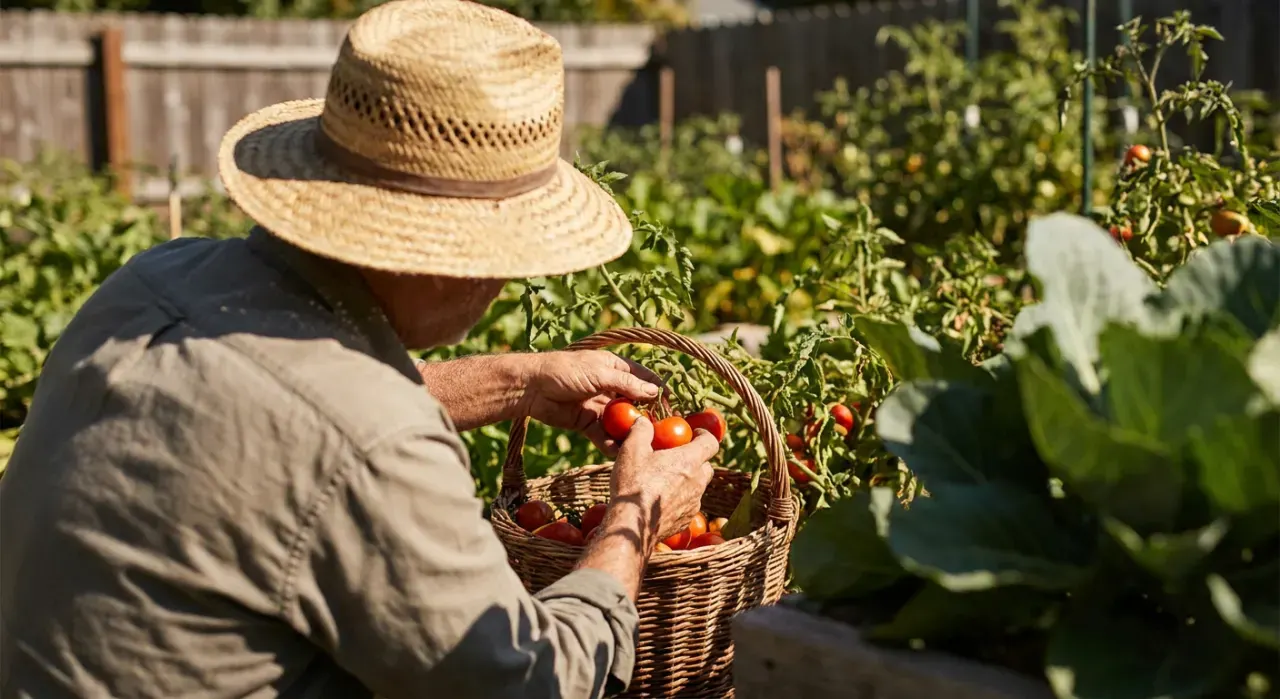
In zones 3 to 6, winter is seed-starting season for long-season crops, timed by counting back from your last spring frost.
| Crop | Weeks before last frost | Typical timing |
|---|---|---|
| Onions, leeks | 10 to 12 | Mid to late winter |
| Celery | 10 to 12 | Late winter |
| Peppers, eggplant | 8 to 10 | Late winter |
| Tomatoes | 6 to 8 | Late winter to early spring |
| Broccoli, cabbage | 4 to 6 | Early spring |
Seedlings need bright light — a sunny window rarely delivers enough, so most gardeners use a simple grow light to keep plants stocky rather than leggy. The most common winter seed-starting mistake is starting too early out of impatience: a tomato started in January in a cold zone will be a tangled, root-bound, flowering plant long before the soil outside is ready for it, and it will transplant far worse than one started six to eight weeks before the last frost. Resist the urge, and let the count-back date govern the sowing rather than the calendar or the weather forecast. Keep seedlings cool once up (60 to 65°F suits most), run the light close to the leaves for 14 to 16 hours a day, and pot on into larger cells before roots circle the container. Onions and leeks are the exception worth starting in deep winter, since they genuinely need those 10 to 12 weeks.
Mild zones: what to plant outdoors
In zones 8 to 10, winter is the main cool-season growing window, and the crop list is long.
| Crop | Soil temp to sow | Days to maturity |
|---|---|---|
| Lettuce, spinach | 40°F | 40 to 50 |
| Kale, chard, collards | 45°F | 50 to 65 |
| Broccoli, cabbage (transplants) | 45°F | 55 to 75 |
| Carrots, beets, radishes | 45°F | 25 to 80 |
| Peas, onions | 40°F | 55 to 110 |
The specific crop lists for the coldest and mildest zones are detailed in winter vegetables to plant.
Overwintering hardy crops under cover
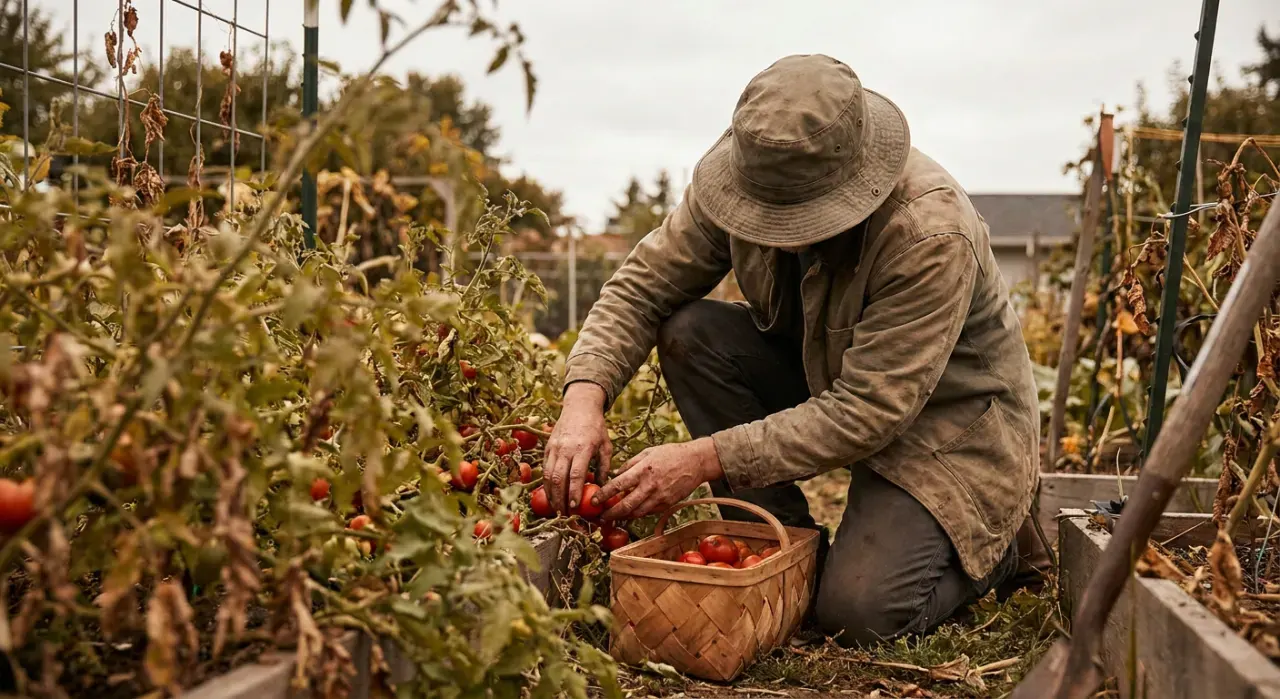
Between the two extremes, zones 5 to 7 can overwinter the hardiest crops under simple protection. Spinach, kale, mâche, carrots and leeks planted in fall largely hold through winter in a cold frame or low tunnel, resuming growth as light returns in late winter. This is less about planting new crops in winter than about protecting fall plantings so they survive to a very early spring harvest. A thick straw mulch over root crops lets carrots and parsnips be dug through much of winter in these zones.
Winter garlic and early sowings
Garlic is best planted in fall, but in mild zones it can still go in during early winter and produce a summer crop, since the cloves get enough chilling. In the mildest zones, fava beans, peas and hardy greens can be direct sown in winter for an early spring harvest. Where the ground is frozen, none of this is possible — the winter task is indoors. Watching soil temperature rather than the calendar tells you when a mild-zone winter bed is workable.
Planning: the cold-zone winter task
In frozen climates, planning is the real winter work — and it directly determines the coming year's success.
- Review last year's notes on what did well and what to change.
- Order seeds early before popular varieties sell out.
- Map crop rotation so families move to fresh ground.
- Mark indoor-start dates — the earliest arrive in late winter.
- Service lights and supplies so nothing delays the first sowings.
Winter planting by zone at a glance
| USDA zone | Winter approach |
|---|---|
| 3 to 4 | Indoor starts and planning only |
| 5 to 6 | Overwinter hardy crops under cover; indoor starts |
| 7 | Some hardy outdoor crops; overwintering |
| 8 | Active outdoor cool-season growing |
| 9 to 10 | Peak growing season for most cool-season crops |
For the whole year mapped month by month, see the vegetable planting calendar.
Winter planting tips
- Know which winter you have — indoor-and-plan, or active outdoor growing.
- Give indoor seedlings real light — a windowsill rarely suffices.
- Don't start indoors too early — leggy, root-bound transplants set back the season.
- Protect overwintering crops with cold frames or low tunnels in zones 5 to 7.
- Use winter to plan so spring sowings happen on time.
Related: winter vegetables to plant, what to plant in spring, the vegetable planting calendar, and how we rank.