 Garden

Affiliate Disclosure
Some links on this page are affiliate links. As an Amazon Associate, we earn from qualifying purchases — at no extra cost to you. We do not buy, test, or physically handle the products we cover; our rankings come from aggregated owner reviews, ratings and expert consensus. Commissions never change our verdicts. How we rank · full disclosure.
What to plant in spring falls into two waves: hardy cool-season crops — peas, spinach, radishes, onions, potatoes and lettuce — sown weeks before the last frost, then warm-season crops like tomatoes, peppers, beans and squash set out after it once the soil reaches 60°F. The exact dates depend on your USDA zone and your last frost, so this guide gives zone-by-zone timing, soil temperatures in °F, and days to maturity to match each crop to the right week for your climate.
We do not test or physically handle the plants and products we cover; our guidance draws on horticultural extension research and the aggregated experience in thousands of owner reviews, as explained in how we rank.
Spring is two planting waves, not one
The single most useful thing to understand about spring is that it holds two distinct planting windows. The first wave is cool-season crops that tolerate frost and germinate in cold soil — they go in weeks before the last frost while it is still chilly. The second wave is warm-season crops that frost kills, set out only after the last frost and once the soil has warmed.
Mixing these up is the classic spring mistake: tomatoes rushed into cold April soil sulk while peas sown "too early" thrive. Match each crop to its wave and the season looks after itself. The categories are detailed in cool season vegetables and warm season vegetables.
The gap between the two waves is usually four to eight weeks, and it is dictated entirely by your last frost date. In a zone where the last frost lands in mid-April, the first wave might go in during March and the second in mid-May, with the cool crops maturing just as the warm crops need their beds. This natural sequence is one reason spring is the most productive planting season of the year — the same ground can carry a fast cool-season crop and then a warm-season crop in a single spring, provided you plan the hand-off. Gardeners who treat spring as a single planting day, sowing everything at once on a mild afternoon, lose both the early window for cold-lovers and the safety margin for heat-lovers.
Wave one: early spring cool-season sowings
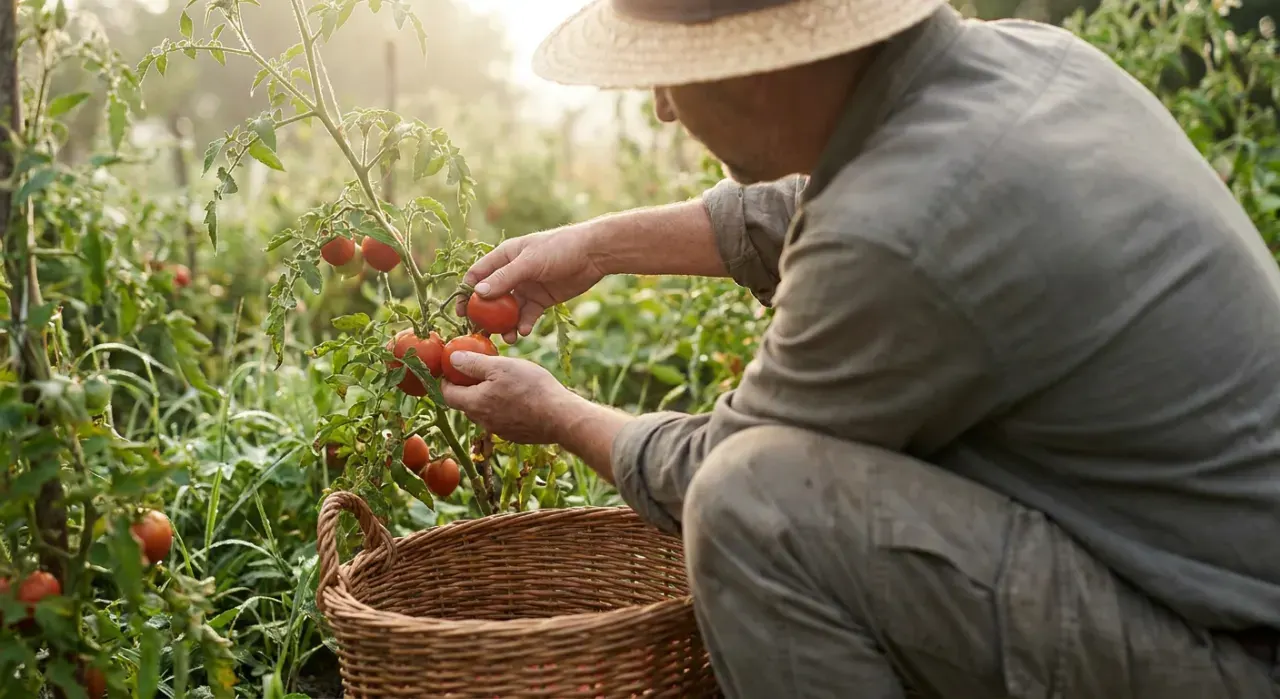
As soon as the ground can be worked and soil reaches about 40 to 45°F, sow the hardy crops. These go in 4 to 6 weeks before your last frost.
| Crop | Soil temp to sow | Days to maturity |
|---|---|---|
| Peas | 40°F | 55 to 70 |
| Spinach | 40°F | 40 to 50 |
| Radishes | 40°F | 25 to 30 |
| Onion sets | 40°F | 90 to 110 |
| Potatoes | 45°F | 70 to 100 |
| Lettuce, carrots, beets | 45°F | 30 to 70 |
Wave two: warm-season crops after last frost
Once the last frost has passed and soil holds above 60°F, the heat-lovers go in — usually 1 to 3 weeks after the frost date.
| Crop | Soil temp to plant | Method |
|---|---|---|
| Beans | 60°F | Direct sow |
| Cucumbers, squash | 65°F | Direct sow or transplant |
| Sweet corn | 60 to 65°F | Direct sow |
| Tomatoes | 60°F | Transplant |
| Peppers, eggplant | 65°F | Transplant |
What to start indoors in early spring
In cold zones the important spring work happens under lights weeks before anything goes outside. Count back from your last frost.
- 8 to 10 weeks before last frost — peppers and eggplant.
- 6 to 8 weeks before — tomatoes.
- 4 to 6 weeks before — broccoli, cabbage, cauliflower.
- 10 to 12 weeks before — onions and leeks from seed.
Harden off every transplant over 7 to 10 days before setting it out so it is not shocked by sun and wind. Start with an hour of dappled shade outdoors, then lengthen the exposure and add direct sun a little each day, bringing plants back in on cold nights. A seedling raised under lights has soft tissue and no wind conditioning, so moving it straight into the open garden often scorches its leaves or snaps the stem. This week of conditioning is easy to skip in the excitement of planting out, but it is what turns a pampered indoor plant into one that stands up to real spring weather.
Zone-by-zone spring planting windows
| USDA zone | Cool-season sowing | Warm-season planting |
|---|---|---|
| 3 to 4 | Apr to early May | Late May to June |
| 5 to 6 | Mar to Apr | Mid to late May |
| 7 | Feb to Mar | Late Apr to early May |
| 8 | Jan to Feb | Late Mar to April |
| 9 to 10 | Fall to winter is prime; finish by Feb | Feb to March |
In warm zones, spring is short — cool-season crops must finish before the heat, and warm crops go in early to beat high-summer stress. In the far south (zones 9 and 10), what northern gardeners think of as spring effectively happens in late winter: cool-season crops are wrapping up by March, and tomatoes and peppers often need to be in the ground by early spring so they set fruit before summer heat causes blossom drop. In cold zones (3 and 4), the reverse is true — the whole spring is compressed into a few frantic weeks in May and June, which is why starting long-season crops indoors is not optional but essential to getting a harvest at all. Reading a national planting chart through the lens of your own last frost date is what turns these generic month ranges into dates you can act on.
Keeping spring beds producing
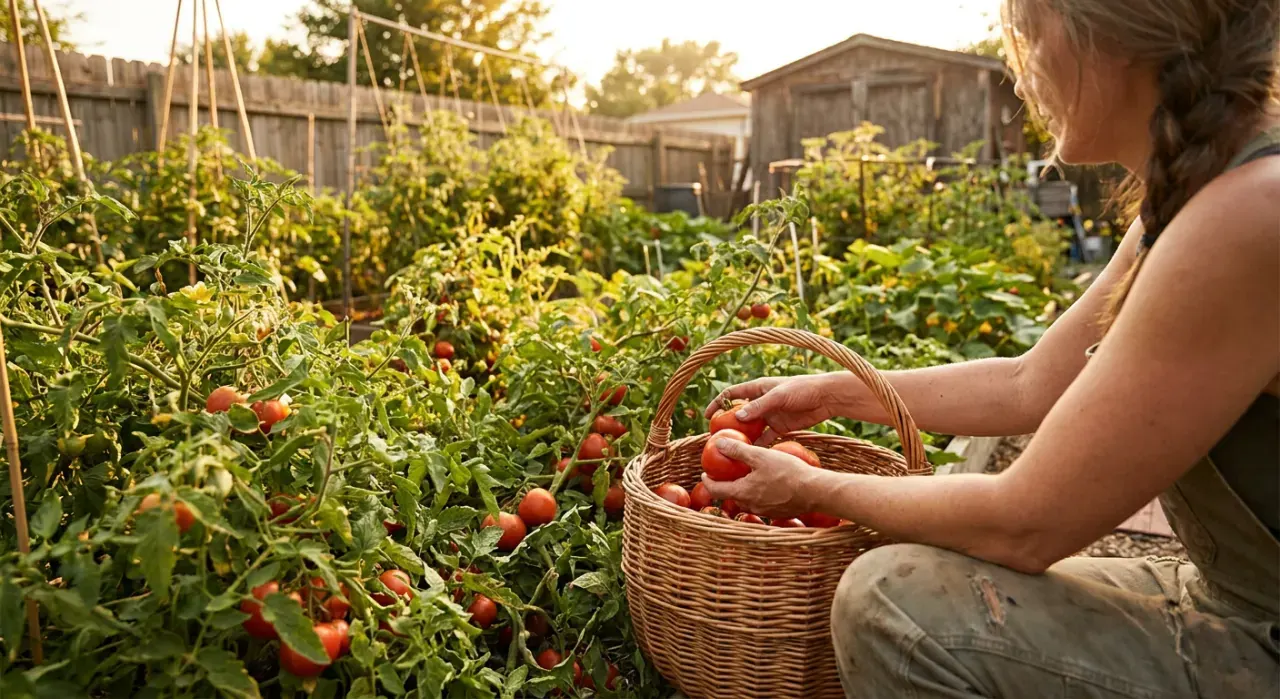
Spring is the time to start succession sowing. Re-sow fast crops like lettuce, radishes, spinach and peas every 2 to 3 weeks so the harvest comes steadily rather than all at once, and so a bed is never idle. As cool-season crops finish and the weather warms, their beds are ready to receive the second wave of warm-season transplants, giving two harvests from the same ground. This overlap is the engine of a productive garden.
Spring planting tips
- Work with soil temperature — a thermometer beats the calendar in a cold or early spring.
- Sow hardy crops first — peas, spinach and radishes can go in weeks before the frost date.
- Wait for warm soil for the heat-lovers — patience beats an early, chilled planting.
- Keep frost cover handy — a late frost can still hit after the average last-frost date.
- Reuse the bed — follow a finished cool crop with a warm one for two harvests.
Related: spring vegetables to plant, spring garden vegetables, the vegetable planting calendar, and how we rank.