 Garden
Affiliate Disclosure
Some links on this page are affiliate links. As an Amazon Associate, we earn from qualifying purchases — at no extra cost to you. We do not buy, test, or physically handle the products we cover; our rankings come from aggregated owner reviews, ratings and expert consensus. Commissions never change our verdicts. How we rank · full disclosure.
What to plant in September depends on your zone: cold-region gardeners in zones 3 to 5 sow fast greens, plant garlic, and set overwintering crops under cover, temperate zones 6 to 7 plant garlic and overwintering spinach and squeeze in a last salad crop, and warm zones 8 to 11 open the main fall garden of brassicas, greens, carrots, and peas. September is the great handover month — the northern season winds toward garlic and overwintering, while the southern cool-season garden comes to life. Here is the crop-by-crop plan for each climate band.
We do not test or physically handle the plants and products we cover; our guidance draws on horticultural extension research and the aggregated experience in thousands of owner reviews, as explained in how we rank.
September is the great handover month of the gardening year, and it means almost opposite things at the two ends of the country. In the north the season is winding down: the days are shortening fast, the first frost may already be near, and the work turns to fast final greens, garlic for next summer, and tucking hardy crops under cover to overwinter. In the warm South, by contrast, September is a beginning — as the brutal summer heat finally breaks, it opens the region's single most productive planting season, the fall and winter cool-season garden. Garlic is the thread that runs through the middle latitudes, going into the ground now for a harvest the following summer after its necessary winter chill. Cover crops sown on emptying beds protect and enrich the soil through the cold months ahead. The common discipline across every zone is the same count-back from first frost that governs all fall planting, matched against how much productive weather each region has left. Whether you are closing the season or opening the best one of your year, September rewards planting with intent. Below, each climate band gets its own crop-by-crop plan.
September planting at a glance by zone
Find your band, then read the matching section. September splits the country in two: in the north it is the last fast sowings, garlic, and overwintering, while in the south it is the opening of the best growing season of the year.
| USDA zone | September focus | Key action |
|---|---|---|
| 3 to 5 (cold) | Garlic and fast greens | Plant garlic; sow spinach, arugula; overwinter crops |
| 6 to 7 (temperate) | Garlic and overwintering | Plant garlic, overwinter spinach; last salad crops |
| 8 to 9 (warm) | Main fall garden opens | Plant brassicas, greens, carrots, peas |
| 10 to 11 (frost-free) | Cool season begins | Transplant tomatoes; sow beans and greens |
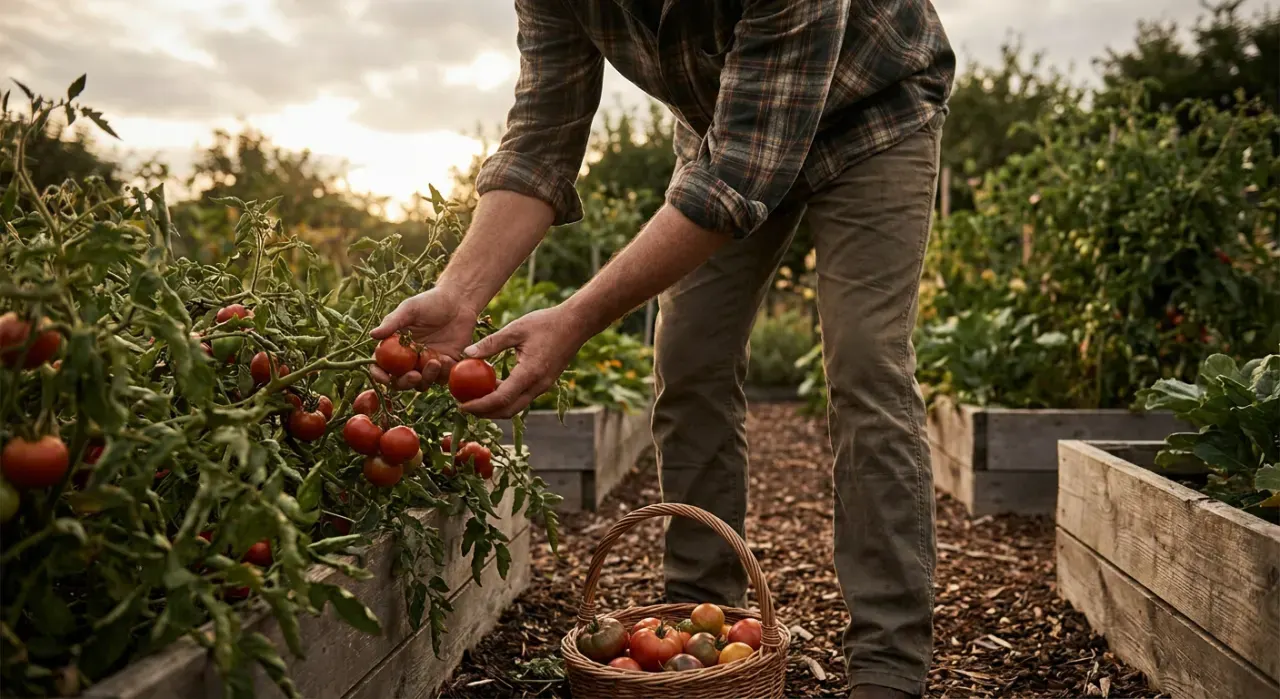
Cold regions (zones 3-5): garlic, fast greens, and overwintering
The northern season is closing, so September is about quick harvests, garlic for next summer, and setting up crops that will sleep through winter. Choose the fastest varieties for any new sowings.
| Crop | Method | Notes |
|---|---|---|
| Garlic | Plant cloves 2 in. deep, then mulch | Harvest next summer; needs winter cold |
| Spinach | Direct, ½ in. deep | Overwinters under cover for early spring |
| Arugula and mâche | Direct, ¼ in. deep | Fast and very cold-hardy |
| Radishes | Direct, ½ in. deep | 25 to 30 days; last quick crop |
| Cover crops (rye, clover) | Broadcast and rake in | Protect and enrich beds over winter |
Garlic is the standout September job in the north: plant cloves after the first light frosts but before the ground freezes. A late-September spinach or mâche sowing under a cold frame or low tunnel gives some of the earliest greens next spring. Keep row cover handy for an early hard frost.
Temperate regions (zones 6-7): garlic and the overwintering garden
Zones 6 and 7 still have weeks of fall ahead, so September mixes last fast sowings with garlic and the crops that overwinter for spring.
- Garlic — plant late September into October; the largest cloves make the biggest bulbs.
- Overwintering spinach and mâche — sow now to establish before winter, then pick through cold and into early spring under cover.
- Fast salad crops — a final sowing of leaf lettuce, arugula, and radishes matures before hard frost.
- Cover crops — crimson clover or winter rye on empty beds protects soil through winter.
Hardy greens sown earlier keep producing, and many sweeten as frosts begin. For frost-hardy crop choices and season-extension tactics, see fall vegetables to plant.
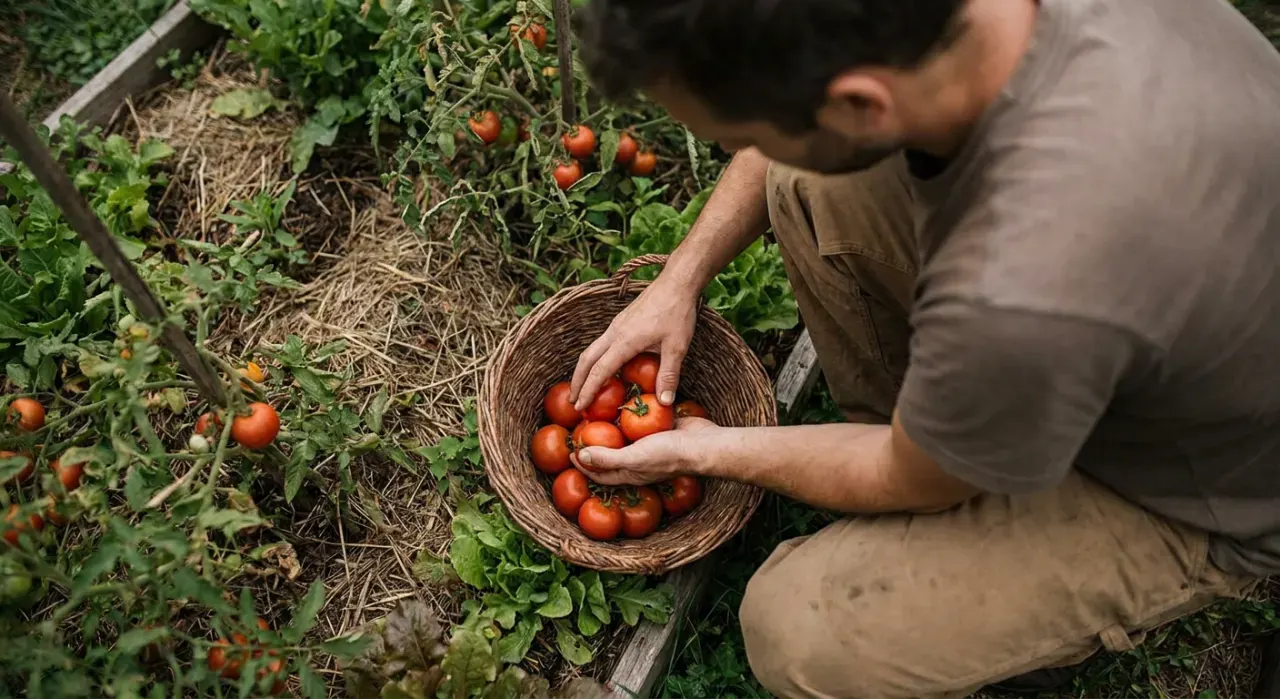
Warm regions (zones 8-9): the main fall garden opens
This is the big one for the warm South. As summer heat finally breaks, September opens the region's most productive planting season. The full cool-season range goes in.
| Crop | Method | Days to maturity |
|---|---|---|
| Broccoli, cabbage, cauliflower | Transplant starts | 55 to 75 |
| Kale and collards | Transplant or direct | 50 to 65 |
| Carrots and beets | Direct, ½ in. deep | 55 to 75 |
| Lettuce, spinach, Asian greens | Direct, ¼ to ½ in. deep | 30 to 50 |
| Peas and bush beans | Direct, 1 in. deep | 55 to 70 |
Germination is easier now than in the August heat, though early September can still be warm — keep new sowings moist. This cool-season garden will produce right through fall and winter in most of zones 8 and 9, making September plantings among the most valuable of the year.
Frost-free regions (zones 10-11): the productive season returns
In south Florida, deep south Texas, coastal southern California, and Hawaii, September marks the return of the growing season as the worst heat eases. Begin transplanting tomatoes, peppers, and eggplant, and direct-sow beans, cucumbers, and squash for a crop through the mild months ahead, alongside the first cool-season greens and roots. The winter here is the productive time, so September is the start of the ramp-up rather than a wind-down. Early plantings of tomatoes and peppers now give the longest possible fruiting window before the next summer's heat, while successive sowings of beans, cucumbers, and squash keep the harvest rolling through the mild season. As beds that rested under summer cover crops are turned and refreshed, the full range of cool-season and warm-season crops becomes available together, one of the real advantages of gardening where frost never arrives.
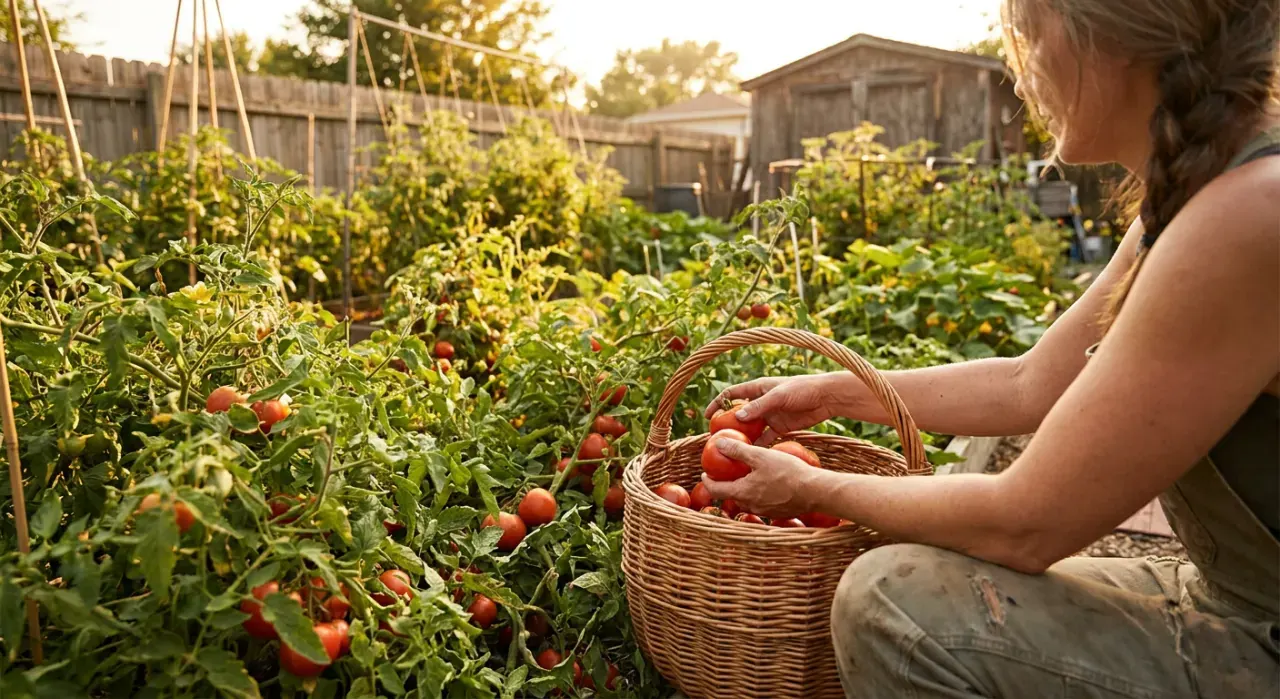
Planting garlic the right way
Garlic is the signature September crop for northern and temperate gardeners, planted now for harvest the following summer. Getting it in correctly sets up big, healthy bulbs.
- Choose the right type — hardneck varieties suit cold zones and give a scape; softneck types store longer and suit milder regions.
- Plant the biggest cloves — break bulbs apart just before planting and use only large, firm, disease-free cloves.
- Set them pointed end up — about 2 inches deep and 6 inches apart, in rich, well-drained soil.
- Mulch after planting — a straw mulch protects roots over winter and suppresses spring weeds.
Common September planting mistakes
| Mistake | Result | Fix |
|---|---|---|
| Planting garlic too shallow or unmulched | Frost-heaved cloves, small bulbs | Plant 2 in. deep and mulch for winter |
| Sowing slow crops too late in the north | No time to mature before hard frost | Stick to fast, hardy crops and garlic |
| Letting new sowings dry out in early-September heat | Poor germination in warm zones | Keep seedbeds consistently moist |
| Skipping cover crops on empty beds | Erosion and nutrient loss over winter | Sow rye or clover on bare ground |
Sowing cover crops on beds you are done with
As summer crops finish in September, beds that would otherwise sit bare through fall and winter are candidates for a cover crop — a planting grown not to eat but to protect and improve the soil. For gardeners in cold and temperate zones especially, a September cover-crop sowing is one of the highest-value things you can do with the month, since it uses the last of the warm soil to establish before winter.
| Cover crop | What it does | Best sown |
|---|---|---|
| Winter rye | Deep roots, erosion control, weed suppression | September into October; very cold-hardy |
| Crimson clover | Fixes nitrogen, flowers for pollinators | Early September in cool zones |
| Winter (hairy) vetch | Strong nitrogen fixer | Early September; often paired with rye |
| Field peas and oats | Quick growth, winterkills in cold zones | September for an easy spring cleanup |
Cover crops earn their place several ways. Their roots hold soil against the erosion of fall and winter rains, they smother the weeds that would otherwise colonize bare ground, and legumes like clover and vetch pull nitrogen from the air and bank it in the soil for next year's heavy feeders. In spring, you cut or turn the crop under a few weeks before planting, and it breaks down into organic matter that improves soil structure. Broadcast the seed evenly over a raked bed, rake it in lightly, and keep it watered until it germinates — September's still-warm soil gets a cover crop up fast. Choosing a mix like rye and vetch combines erosion control with nitrogen fixing. For the small beds that are staying in production, a September inch of compost worked into the surface refreshes them for fall greens instead. Either way, no bed should go into winter bare if you can help it.
Related: look back at what to plant in August, ahead to what to plant in October, review the full fall planting guide, or read how we rank.