 Garden
Affiliate Disclosure
Some links on this page are affiliate links. As an Amazon Associate, we earn from qualifying purchases — at no extra cost to you. We do not buy, test, or physically handle the products we cover; our rankings come from aggregated owner reviews, ratings and expert consensus. Commissions never change our verdicts. How we rank · full disclosure.
What to plant in August depends on your zone: cold-region gardeners in zones 3 to 5 sow fast fall crops like spinach, lettuce, and radishes before the early frost, temperate zones 6 to 7 plant the full fall garden of kale, broccoli, carrots, and beets, and warm zones 8 to 9 start fall tomatoes and begin the cool-season garden late in the month. August is the most important fall-planting month of the year — the count-back from first frost governs every sowing, and the fall garden going in now often outproduces spring. Here is the crop-by-crop plan for each climate band.
We do not test or physically handle the plants and products we cover; our guidance draws on horticultural extension research and the aggregated experience in thousands of owner reviews, as explained in how we rank.
August is the heart of fall planting, arguably the most important sowing month of the second half of the year. The summer garden is still producing, but the days are visibly shortening and the window to establish a fall harvest is closing, so timing becomes everything. Every August sowing is governed by the count-back from your first fall frost: take a crop's days to maturity, add about two weeks because autumn growth slows as light fades, and count backward from your average first-frost date to find the latest safe sowing date. That math is why cold-zone gardeners lean on fast 30-to-50-day crops while temperate gardeners can still plant the full cool-season range. The reward for getting it right is a fall garden that frequently outshines spring — insect pressure is declining, the weather is cooling into ideal growing conditions, and frost-hardy crops like spinach, kale, and carrots turn sweeter with the first light freezes. The month's chief obstacle is germinating cool-season seed in the lingering heat, which calls for shade, depth, and constant moisture. In the warm South, August plants fall tomatoes and opens the cool season late in the month. Below, each climate band gets its own plan.
August planting at a glance by zone
Find your band, then read the matching section. August timing runs backward from your first fall frost, so a short-season northern garden leans on fast crops while a long-fall southern garden can plant the whole cool-season range.
| USDA zone | August focus | Key action |
|---|---|---|
| 3 to 5 (cold) | Fast fall crops | Sow spinach, lettuce, radishes, arugula |
| 6 to 7 (temperate) | Full fall garden | Plant kale, broccoli, carrots, beets, greens |
| 8 to 9 (warm) | Fall tomatoes, cool season starts | Set fall tomatoes; begin greens and roots late month |
| 10 to 11 (frost-free) | Still too hot | Cover crops; prep for fall planting |
Cold regions (zones 3-5): fast crops before an early frost
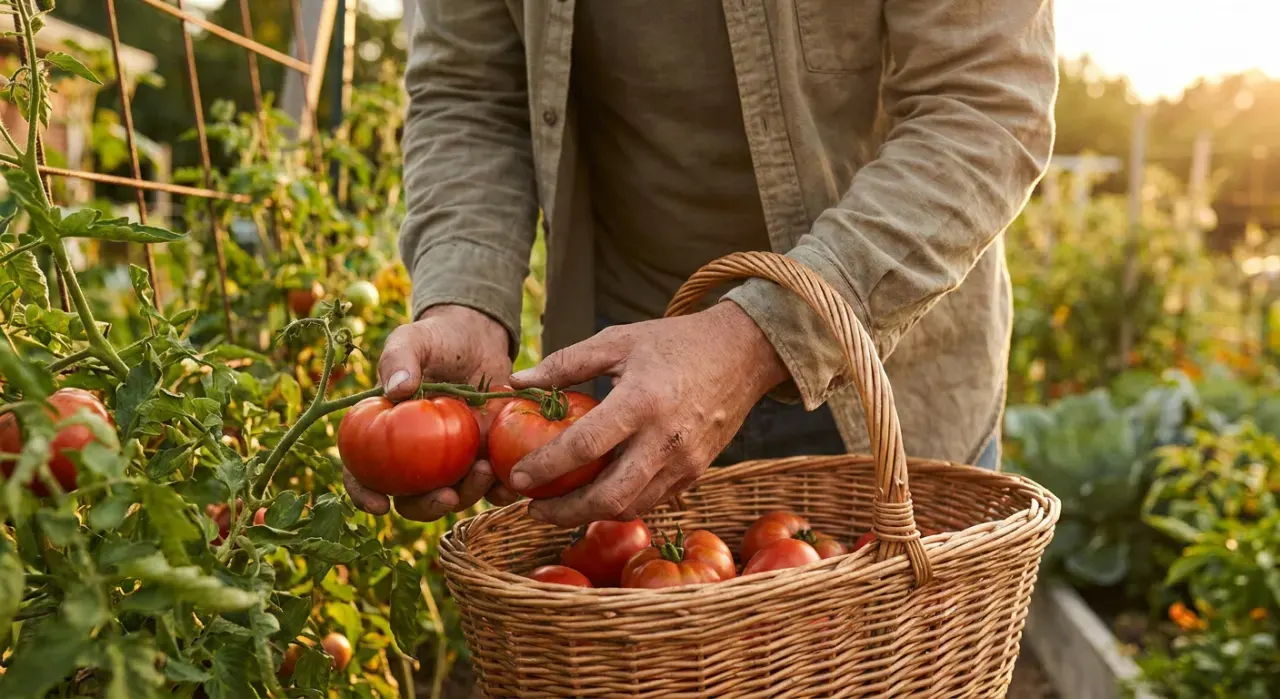
With the first frost sometimes arriving in September, northern gardeners lean on the quickest crops in August. Choose varieties that mature in 30 to 50 days and get them in early in the month.
| Crop | Method | Days to maturity |
|---|---|---|
| Radishes | Direct, ½ in. deep | 25 to 30 |
| Arugula and mustard greens | Direct, ¼ in. deep | 30 to 40 |
| Leaf lettuce | Direct, ¼ in. deep | 30 to 45 |
| Spinach | Direct, ½ in. deep | 40 to 50 |
| Baby turnips | Direct, ½ in. deep | 35 to 50 |
A late-August spinach sowing can overwinter under a low tunnel or heavy mulch for an extra-early spring harvest. Frost is a bonus for these crops rather than an enemy — spinach, kale, and turnips all sweeten after a light frost. Water new sowings well; late-summer soil dries fast.
Temperate regions (zones 6-7): the full fall garden
August is peak fall planting in zones 6 and 7. The long autumn ahead means the entire cool-season range can go in, and many of these crops improve as the weather cools.
- Transplant brassicas — broccoli, cabbage, cauliflower, kale, and collards started in mid-summer for a fall harvest.
- Direct-sow root crops — carrots, beets, and turnips; carrots left under mulch become candy-sweet after frost.
- Sow fall greens — spinach, lettuce, arugula, Swiss chard, and Asian greens in succession.
- Last fast beans — a very early-August sowing of bush beans can still crop before frost.
Refresh beds with an inch or two of compost as summer crops finish, and rotate greens onto ground that held beans or tomatoes rather than another brassica. Fall greens are nitrogen-hungry, so a balanced feed at planting pays off; owners consistently favor the general formulations ranked in best vegetable garden fertilizer. For the full fall lineup, see fall vegetables to plant.
Warm regions (zones 8-9): fall tomatoes and the cool-season opening
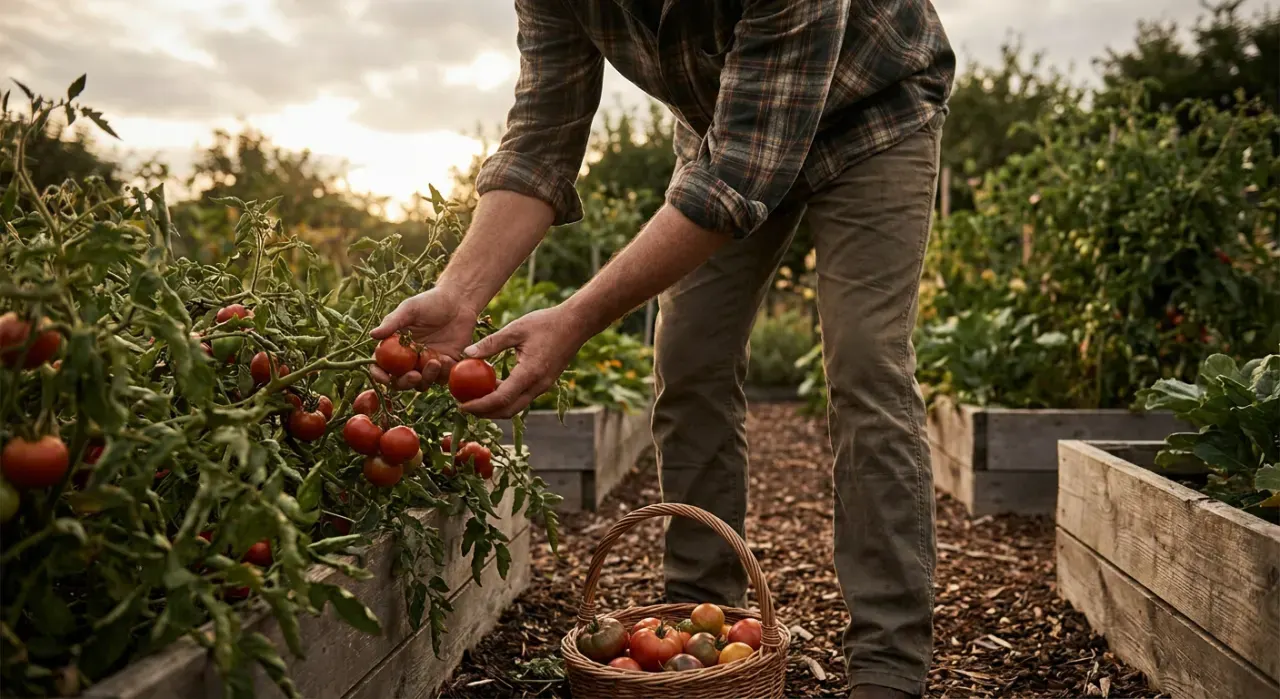
In the warm South, August is still hot, but the fall season is beginning. Fall tomatoes go in for a crop as the heat eases, and late in the month the cool-season garden opens.
| Crop | Method | Notes |
|---|---|---|
| Fall tomatoes | Transplant heat-set types | Fruit as temperatures cool in fall |
| Broccoli and cabbage (starts) | Start indoors or in shade | For transplanting in September |
| Carrots and beets | Direct, late August | Keep soil moist to germinate in heat |
| Bush beans | Direct, early August | A fall crop before first frost |
| Fall squash and cucumbers | Direct, early August | Time to mature before cool weather |
The key challenge here is germinating cool-season seed in hot soil, so shade and constant moisture are essential for late-August sowings. Get fall tomatoes established now for the region's excellent fall fruiting.
Frost-free regions (zones 10-11): the last of the heat
In south Florida, deep south Texas, coastal southern California, and Hawaii, August is still deep summer — hot, humid, and largely a resting month. Beds stay under cover crops, and only the toughest heat-lovers keep producing: okra, sweet potato, boniato, malabar spinach, and yard-long beans. This is prep time: order fall and winter seed, plan the coming season, and improve soil, because the productive cool-season planting begins in the weeks ahead as the worst heat passes. Late August is also when you can start brassica transplants in a shaded, cooler spot so they are ready to go into the garden in September, giving the fall garden a head start the moment temperatures ease. Turning under a summer cover crop and refreshing beds with compost now means the soil is ready to plant the instant the season opens, rather than needing weeks of remediation first.
Succession sowing for a long fall harvest
August rewards succession sowing — planting small amounts of fast crops every couple of weeks so the harvest comes in steadily rather than all at once, right up to and past frost.
- Lettuce, spinach, arugula — sow a short row every 10 to 14 days for continuous fall greens.
- Radishes and baby turnips — quick, reliable successions that keep salads and stir-fries going.
- Cilantro and dill — cool-season herbs that thrive as summer fades.
Keep a simple planting log so you know what went in when, and stagger sowings of the same crop a couple of weeks apart to spread the harvest window across the fall.
Common August planting mistakes
| Mistake | Result | Fix |
|---|---|---|
| Letting seedbeds dry out in late-summer heat | Poor, patchy germination | Water daily and shade the row until emergence |
| Sowing lettuce and spinach in hot soil unshaded | Seed fails to germinate above 80°F | Shade the bed or start in a cool spot and transplant |
| Planting long-season crops too late | Crops caught by frost before maturity | Match days to maturity to your first-frost count-back |
| Following brassica with brassica | Soil disease carries over | Rotate fall greens into different ground |
Setting up crops to overwinter for spring
Some of the most valuable August sowings are not for a fall harvest at all — they are for the earliest crops of next spring. A late-August planting, timed so the crop reaches a hardy size before deep cold, can sit through winter under protection and surge into growth as the days lengthen, giving harvests weeks ahead of anything sown in spring.
| Crop | Overwintering method | Spring payoff |
|---|---|---|
| Spinach | Sow late August; cover with low tunnel | Very early spring greens |
| Mâche (corn salad) | Sow late August; extremely hardy | Winter and early-spring salads |
| Kale and collards | Establish now; mulch base | Harvest through winter in milder zones |
| Garlic | Plant cloves in fall (zone-dependent) | Summer bulb harvest |
The principle for overwintering greens is to get plants to a robust rosette stage before the cold shuts down growth — big enough to survive the winter but not so mature that they bolt at the first warm spell. Spinach is the classic example: an August sowing that reaches a few true leaves by hard frost will overwinter under a low tunnel and be ready to pick before the spring-sown crop has even germinated. The key insurance in every zone is protection. A cold frame or a low tunnel with row cover traps enough warmth to carry these crops through freezes that would kill them in the open, and a heavy mulch over the roots of hardy greens and around garlic prevents frost heave. Planning these overwintering plantings in August, while there is still time for them to establish, is what separates a garden that produces only in summer from one that delivers fresh food across three or four seasons.
Related: look back at what to plant in July, ahead to what to plant in September, review the full summer planting guide, or read how we rank.