 Garden
Affiliate Disclosure
Some links on this page are affiliate links. As an Amazon Associate, we earn from qualifying purchases — at no extra cost to you. We do not buy, test, or physically handle the products we cover; our rankings come from aggregated owner reviews, ratings and expert consensus. Commissions never change our verdicts. How we rank · full disclosure.
The short answer: water early in the morning, between first light and about 9am. That window is the only one that gets all three things right at once — minimal evaporation loss, a full day for water to move down to the root zone, and enough drying time that wet foliage does not sit damp through the night. Evening is a reasonable second choice if you water the soil rather than the leaves. Midday is the only genuinely wasteful option, and even then it is wasteful rather than harmful.
This is a small habit with an outsized effect. The same twenty minutes of sprinkler time delivers substantially more usable water at 6am than at 2pm, and it does so without creating the overnight leaf wetness that drives most common garden diseases. If you cannot reliably be awake and outside at dawn, this is exactly the problem a faucet timer exists to solve — see best hose timer. For the full watering picture, start at the watering and irrigation hub.
Why Early Morning Wins
Three separate mechanisms all point at the same hour, which is unusual in gardening advice and is why this particular rule is close to universal among horticulturists.
Evaporation is lowest at dawn. Evaporative loss is driven by temperature, sunlight, humidity and wind, and at first light all four are at their daily minimum: the air is cool, the sun is low, relative humidity is at its peak, and the wind has usually not picked up. Water applied then mostly reaches the soil. EPA WaterSense gives the same advice from the other end: avoid watering in the middle of the day, when the hot sun evaporates much of the water before it gets to thirsty plants. Water applied at midday in July fights the exact opposite conditions — hot air, direct sun, low humidity and a breeze — and a meaningful fraction is lost in transit or from the surface before it can infiltrate.
Wind drift is minimal. This one is easy to underestimate until you watch an oscillating sprinkler in an afternoon breeze put half its fan on the driveway. Sprinkler patterns are calibrated in still air, and EPA WaterSense attributes as much as 50 percent of outdoor water use to wind, evaporation and runoff caused by inefficient irrigation methods and systems. A steady afternoon wind both skews the pattern and shreds fine droplets into mist that never lands where you aimed. Morning air is typically calmest, which means the water goes where the sprinkler points.
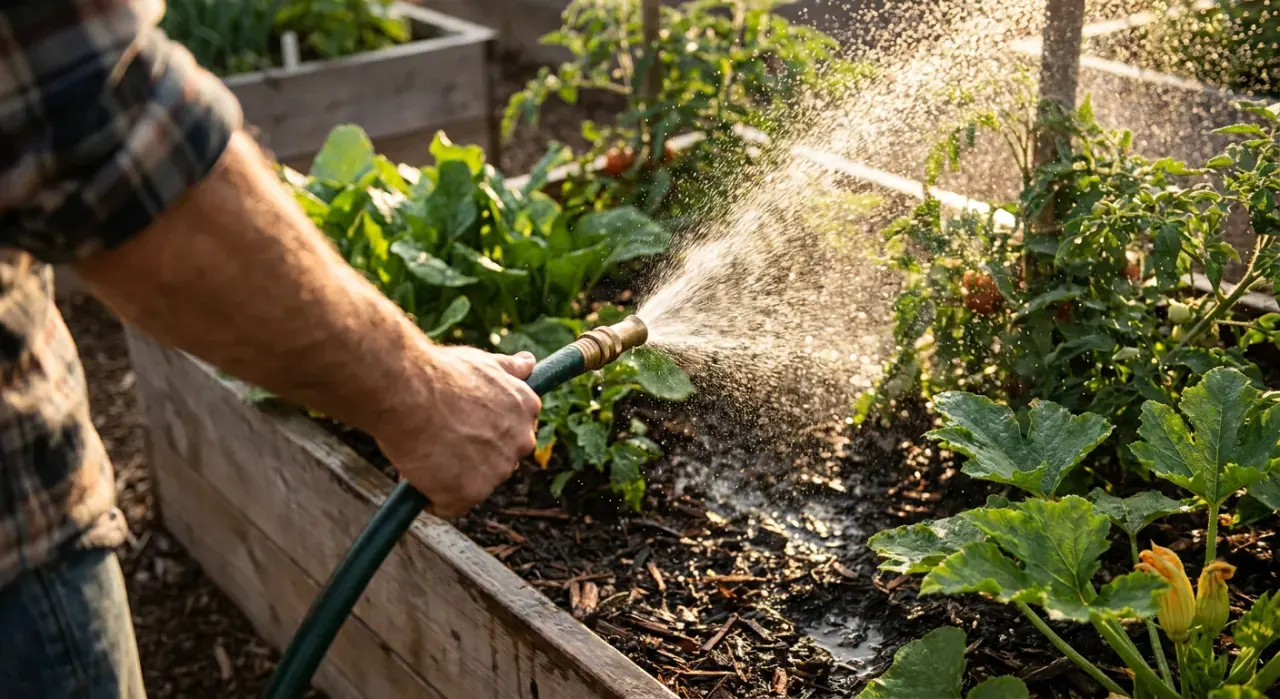
Foliage dries quickly. Any overhead watering wets leaves — Illinois Extension advises watering the soil rather than the plant for that reason, and where overhead watering is unavoidable, doing it early in the day so foliage dries quickly, since foliar fungal diseases need leaves to stay wet for several hours to infect leaf tissue. In the morning, rising temperatures and sun dry that foliage within an hour or two. In the evening, the same wetting event keeps leaves damp for eight to twelve hours in cool, still, humid air — which is precisely the condition fungal spores require to germinate and penetrate leaf tissue.
The Disease Argument Against Evening Watering
The link between leaf wetness duration and fungal disease is one of the better-established relationships in plant pathology, and it is the reason commercial growers structure irrigation around it. Powdery mildew, downy mildew, black spot on roses, septoria leaf spot and early and late blight on tomatoes all depend on a period of continuous leaf wetness to establish. Shorten that period and infection rates fall; extend it and they climb.
Evening watering extends it about as far as it can go. Leaves wetted at 8pm typically stay wet until the sun reaches them the next morning, because overnight humidity is high, temperature is falling and there is no radiation to drive evaporation. Add dew on top and the effective wet period can exceed twelve hours. Do that three times a week through a humid summer on roses, phlox, squash, cucumbers, tomatoes or bee balm and the outcome is fairly predictable.
The important qualification is that this argument is about wet leaves, not about wet soil. Evening watering delivered through a soaker hose or a drip line under mulch does not wet foliage at all, and its evaporation losses are as low as morning watering. If your schedule genuinely only permits evening watering, switching from a sprinkler to drip removes almost the entire objection — which is covered in how to set up drip irrigation.
Is Midday Watering Actually Harmful?
Not in the way the folklore says. The claim that water droplets focus sunlight and scorch leaves is a myth for ordinary garden plants — the droplets evaporate long before they could act as effective lenses, and the geometry does not work for most leaf surfaces anyway. You will not burn your hostas by watering at noon.
What midday watering does is waste money and mislead you. A significant portion of the water is lost to evaporation from the air, the leaf surfaces and the hot soil surface before it can infiltrate. Worse, the visible result — dark, damp topsoil — looks exactly like a thorough watering while the root zone two inches down may still be bone dry. That is how plants end up with shallow, surface-hugging root systems that then collapse in the first genuine heat wave.
There is one clear exception. A plant that is visibly wilting in the afternoon heat, particularly a container plant or a newly planted specimen, should be watered immediately. The modest evaporation penalty is irrelevant compared with the damage done by letting a plant sit in wilt for another six hours. Rescue watering at any hour beats principled watering tomorrow.
Timing Only Matters If the Amount Is Right
Watering at the perfect hour for five minutes is worse than watering at a mediocre hour for forty. Most established lawns and beds want roughly an inch of water a week, including rainfall — the typical landscape requirement EPA WaterSense publishes — delivered in one or two long soaks rather than daily sips. Deep, infrequent watering pulls roots downward; shallow, frequent watering keeps them at the surface where they are most vulnerable to heat and drought.
Two cheap instruments settle almost every argument here. A rain gauge tells you how much of that inch the sky already provided — guessing at rainfall is notoriously unreliable, and a heavy-looking shower often delivers a fraction of an inch. A soil moisture meter tells you what is happening at root depth rather than at the surface, which is the number that actually matters. Between them they prevent both of the common failure modes: watering something that is already wet, and calling a light sprinkle a watering. There is more detail in how much to water a garden.
How the Answer Shifts by Plant and Situation
Lawns. Morning, firmly. Turf is a dense canopy that holds moisture at the crown, and evening watering is a well-known contributor to brown patch and dollar spot in warm, humid weather. Aim to finish before the sun is high.
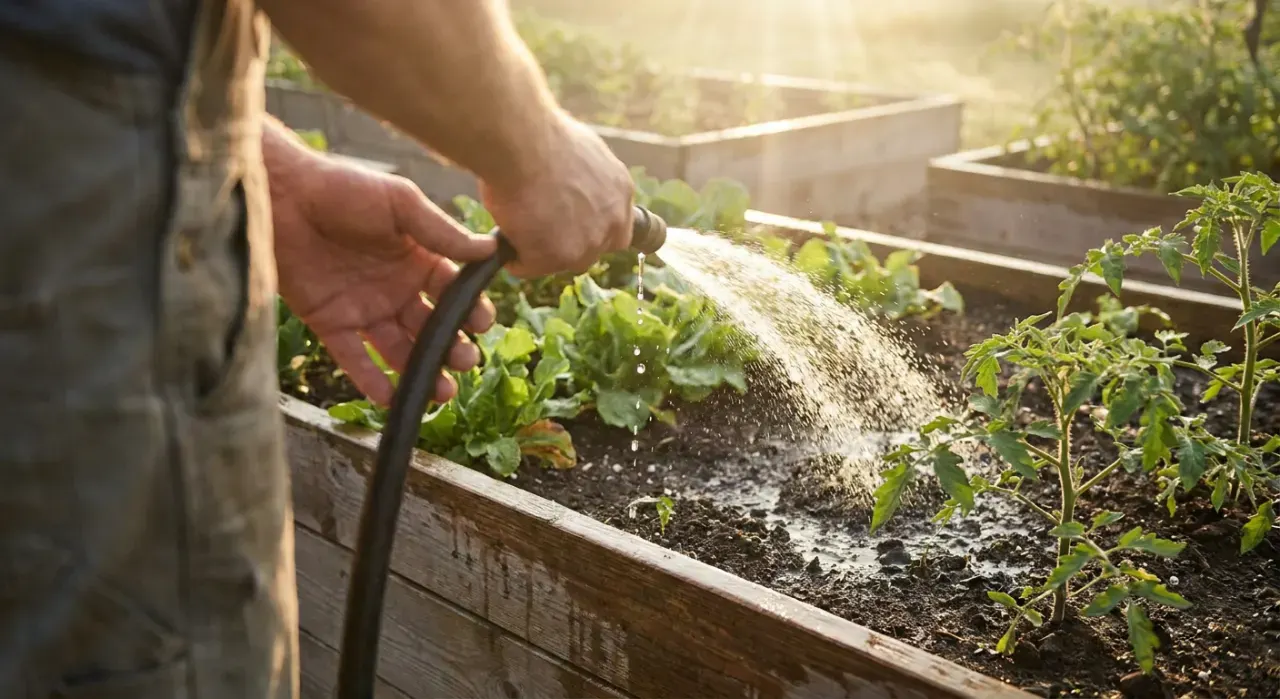
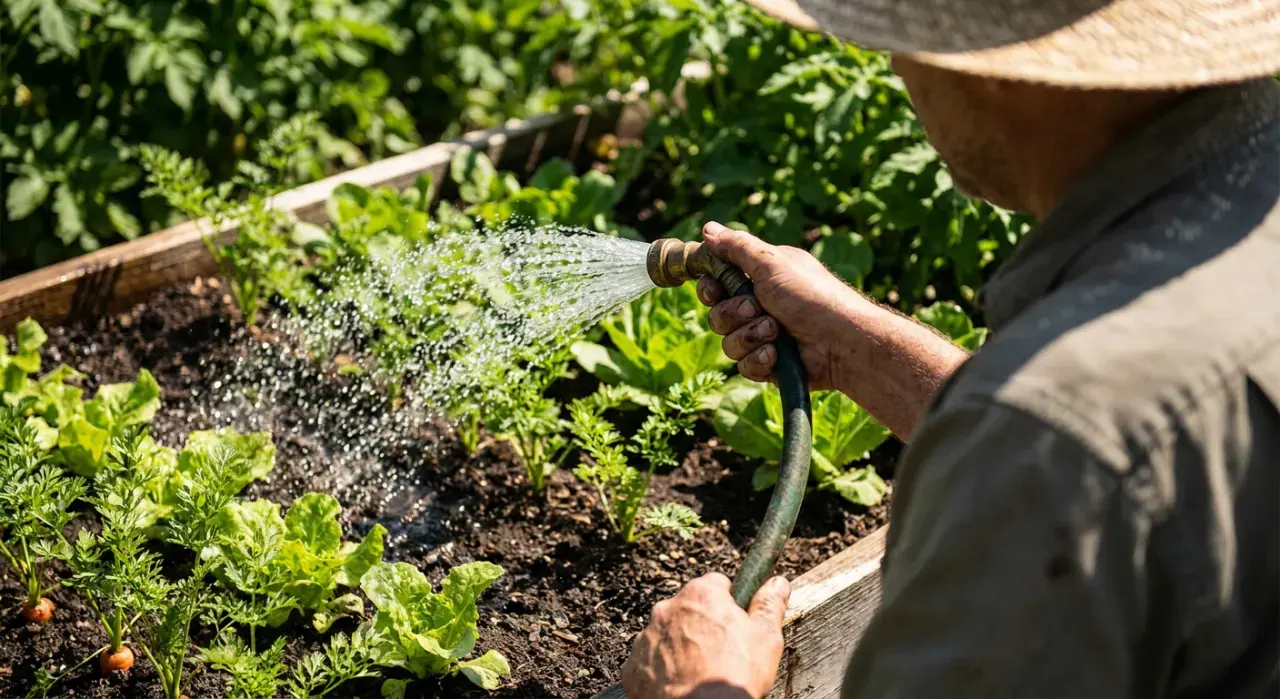
Vegetable beds. Morning, and preferably at soil level. Tomatoes, squash, cucumbers and beans are all prone to foliar diseases that thrive on overnight leaf wetness. A soaker hose under mulch, run at dawn, is close to ideal.
Containers and hanging baskets. Morning as the default, plus a second drink in late afternoon during heat waves. Pots hold very little soil and lose water from every surface. The disease argument is much weaker here because you are wetting a soil surface in a pot, not a crowded border, so an afternoon top-up is fine.
New seed and new sod. The rules invert. Germinating seed and unrooted sod need the surface kept consistently damp, which means light watering several times a day including midday — the opposite of the deep-and-infrequent rule. Switch to normal deep watering once roots are established.
Greenhouses and covered structures. Morning matters even more, because still, humid air under cover dries foliage very slowly and disease pressure is correspondingly higher.
Season and Climate Change the Window
The dawn rule is a summer rule, and it is at its strongest in hot, dry, sunny weather where evaporation losses are large. As the year cools, the window shifts.
In spring and fall, mid-morning is often the more sensible target: soil is cooler, evaporation is modest, and you avoid leaving free water sitting on foliage as temperatures fall into a cold night. In winter, water in the middle of the day when the ground has thawed and warmed slightly, so surplus drains before evening. In arid, low-humidity regions, the evaporation argument is at its most extreme and dawn watering can save a very large fraction of the water applied. In humid regions, the disease argument dominates and the case against evening watering is at its strongest.
Wind is the other regional variable worth planning around. If your afternoons are reliably breezy, morning watering is not just more efficient, it is the only way to get an even pattern out of a sprinkler at all.
Tools That Make Morning Watering Realistic
The honest problem with this advice is that the correct hour is one almost nobody is awake for, and the advice therefore fails on human grounds rather than horticultural ones. Three inexpensive items solve that, and a fourth makes the short morning window enough for a whole lawn. We do not buy or physically handle these products — the picks below come from aggregated owner reviews and expert consensus.
The single highest-value purchase is a faucet timer. It converts a rule you intend to follow into one that happens whether or not you are awake, and the smarter models also skip a cycle after real rainfall, which prevents the most common form of overwatering. Pair it with a rain gauge and a moisture meter and you have replaced guesswork with two numbers that cost about twelve dollars each.
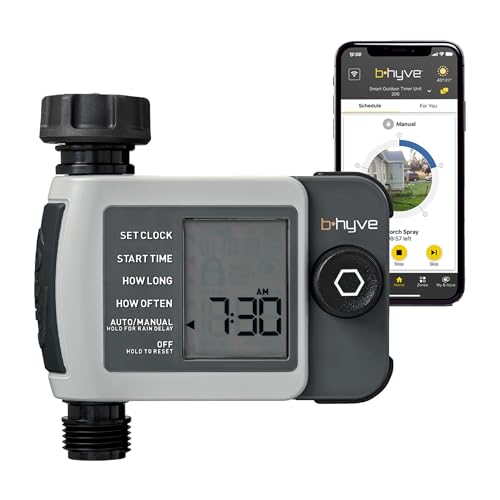
Best for watering at 5am without getting out of bed
- Schedules any start time from the app
- Skips a cycle after measurable rain
- Weather-sealed IPX-5 housing
- Manual buttons work without a phone
Why buy it: the correct watering hour is one almost nobody is awake for, which is the entire argument for a timer.
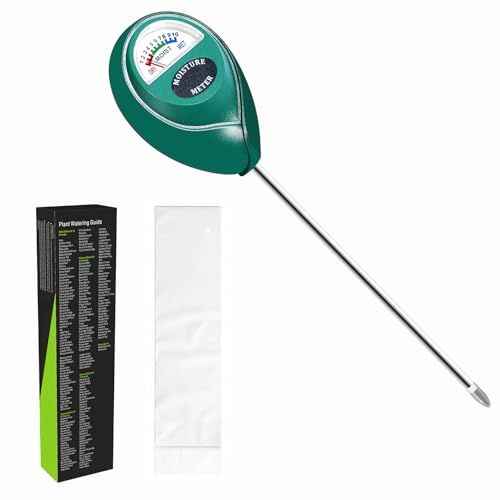
Best for settling the argument about whether the bed actually needs water
- Stainless steel probe, no batteries required
- Instant read at root depth
- Works in beds, pots and raised beds
- Simple dry to wet dial
Why buy it: surface soil dries hours before root-zone soil does, and this is the cheapest way to stop guessing.
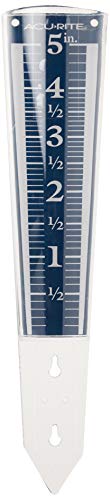
Best for knowing whether last night counted as watering
- Reads to 5 inches with magnified markings
- Acrylic body, stake or bracket mount
- Readable from several feet away
- No power or calibration needed
Why buy it: the inch-a-week rule is meaningless until you know how much the sky already delivered.
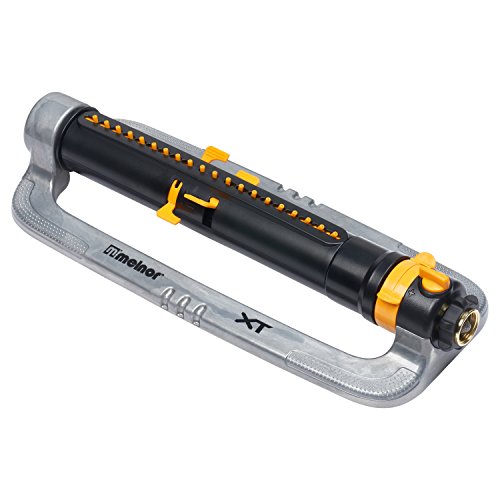
Best for covering a lawn quickly in the short pre-work window
- 20 nozzles, up to 4,500 sq ft coverage
- Independent left and right width limits
- Metal spray tube
- Separate range and flow controls
Why buy it: a fast, even sprinkler is what makes a 30-minute dawn cycle enough for the whole lawn.
Quick Comparison
| Product | Best for | Rating | Price | Buy |
|---|---|---|---|---|
| Orbit 24511 B-hyve XD 1-Port Smart Hose Watering Timer | Best for Automating Dawn Watering | — | Check (paid link) | |
| XLUX Soil Moisture Meter | Best Value Check | — | Check (paid link) | |
| AcuRite 5 in. Magnifying Rain Gauge | Best Rainfall Gauge | — | Check (paid link) | |
| Melnor XT4200M XT Metal Oscillating Lawn Sprinkler | Best Morning Sprinkler | — | Check (paid link) |
Common Mistakes
Watering daily for a short time. The most common error in home gardens, and timing cannot rescue it. Frequent shallow watering trains roots to stay near the surface, which is exactly where soil dries first. Fewer, longer cycles are better in almost every situation except germinating seed and containers.
Watering the foliage instead of the soil. Plants absorb water through roots. Wetting leaves is at best neutral and at worst an invitation to fungal disease. Aim low, and use drip or soaker lines in beds wherever practical.
Running the timer through a rainy week. A dumb timer will happily water through a thunderstorm. Either fit a rain sensor, choose a timer with weather-based skipping, or check a rain gauge and press the delay button.
Assuming the sprinkler covered what you think it did. Wind, pressure and pattern shape all conspire against even coverage. Put a few straight-sided cans out during one cycle and measure — the results are frequently a surprise, and they explain a lot of mysteriously dry patches.
Watering established plants on a fixed calendar. Soil type, rainfall, temperature and plant maturity all move the target. The right frequency is whatever keeps root-zone soil consistently moist without staying saturated, which is a measurement rather than a schedule.
The Verdict
Water between first light and 9am. That single change reduces evaporation loss, improves sprinkler coverage on breezy days, and cuts the overnight leaf wetness that drives most common garden diseases — all without spending a dollar. If mornings are impossible, water the soil rather than the foliage in the evening and accept a small compromise. Water midday only to rescue something that is wilting.
Then make it automatic. A faucet timer removes the only real obstacle to following this advice, and a rain gauge plus a moisture meter tells you whether the cycle was needed at all.
Check the timer price on Amazon → (paid link)
Next: automate the schedule with best hose timer, get the volume right in how much to water a garden, choose a sprinkler that suits your lawn shape in best lawn sprinkler, or take foliage out of the equation entirely with best drip irrigation kit.