 Garden


Affiliate Disclosure
Some links on this page are affiliate links. As an Amazon Associate, we earn from qualifying purchases — at no extra cost to you. We do not buy, test, or physically handle the products we cover; our rankings come from aggregated owner reviews, ratings and expert consensus. Commissions never change our verdicts. How we rank · full disclosure.
Measure from the spigot to the farthest point you need to reach, then add about 10 feet of slack for corners and maneuvering. For most suburban yards that lands on a 50 foot hose; small yards and patios do well with 25 feet, and lots over a quarter acre usually need 100 feet. Buying longer than you need costs pressure, weight and storage space — a full 100 foot 5/8 inch hose weighs roughly 25 to 40 pounds. Two 50 foot hoses joined when needed is often the more practical answer.
How do you work out the length you need?
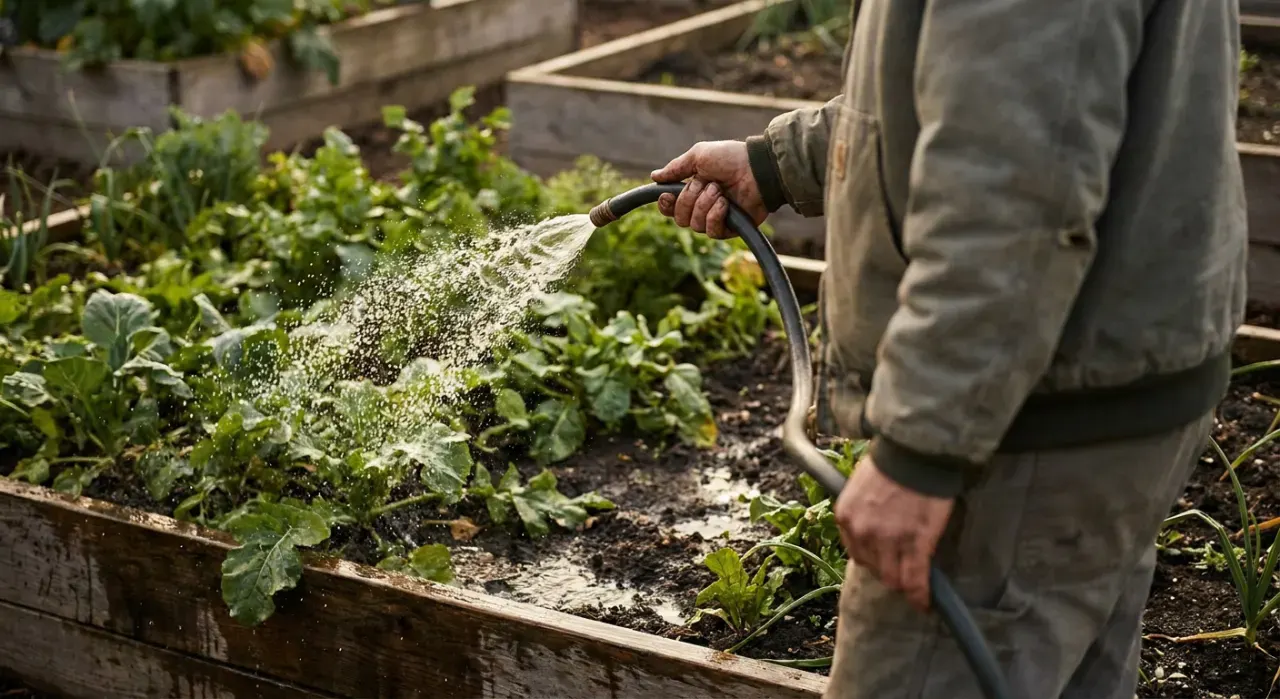
Walk the route rather than measuring straight lines. Water travels around the house, not through it, so a bed that is 40 feet away as the crow flies may be 70 feet of hose path. Use a tape or count paces from the spigot, following the path the hose will actually lie on, past the corner of the house and around any obstacle. Add 10 feet so the hose is not stretched taut at full extension — a hose under tension pulls fittings loose at the spigot and kinks at the connection. If you have two spigots, measure from each; running a shorter hose from the closer tap is nearly always better than one long one.
| Property | Length | Notes |
|---|---|---|
| Balcony, patio, small courtyard | 25 ft | Light and easy to coil; a coil hose may suit |
| Typical suburban yard | 50 ft | The most common and most useful single length |
| Large yard, 1/4 acre plus | 75–100 ft | Go 5/8 in minimum to hold pressure |
| Acreage, distant beds | 100 ft plus extension | Consider 3/4 in and a cart reel |
| Car washing, driveway | 25–50 ft | Measure to the far bumper, not the tap |
How much pressure does length cost you?
Enough to matter past about 75 feet on a narrow hose. Friction loss rises with length and falls sharply as diameter increases, so the two decisions are linked. A 5/8 inch hose at 50 feet loses only a few psi at typical household flow rates and you will not notice it. A 1/2 inch hose at 100 feet can lose enough to visibly shrink a sprinkler pattern and slow a nozzle. If you need distance, buy diameter as well as length: 5/8 inch is the standard for good reason, and 3/4 inch is worth it beyond 100 feet or on low-pressure supplies. Our page on garden hose sizes explained covers the diameter question in full.
Should you buy one long hose or couple two?
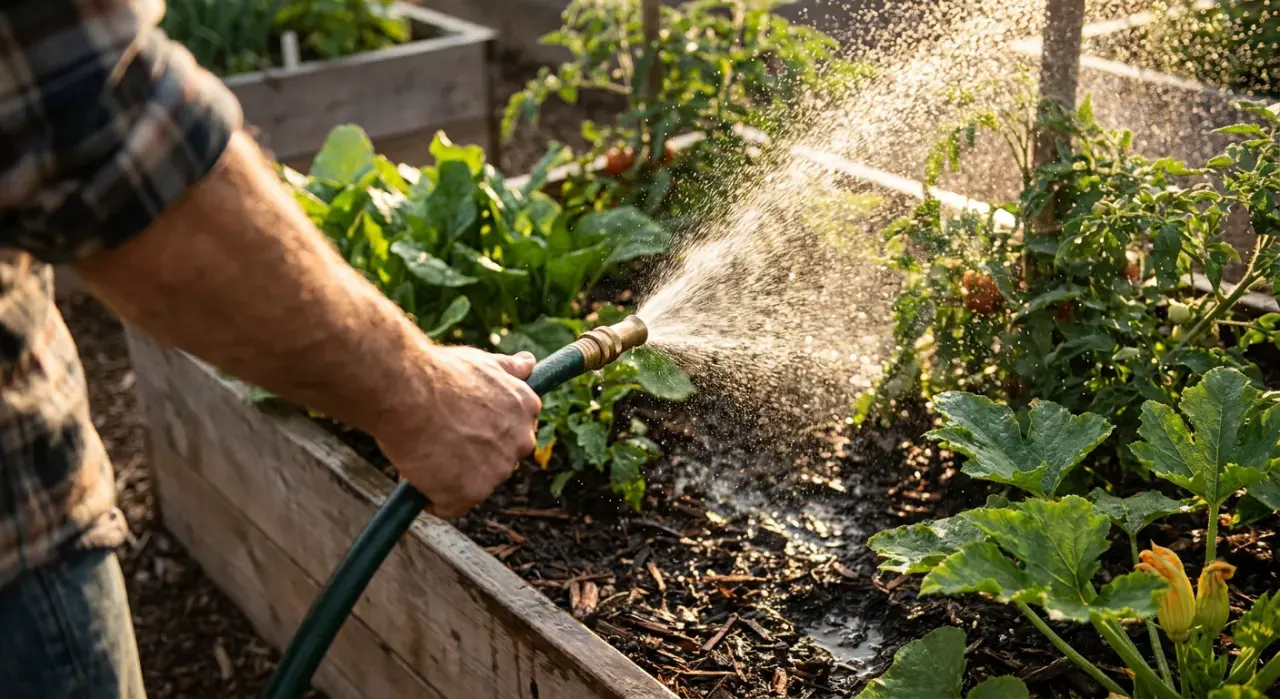
Couple two, in most yards. A 50 foot hose used daily plus a second 50 foot hose stored on a hook gives you the reach when you need it and a light, manageable hose the rest of the time — and owners consistently report that the deciding factor is not reach but weight, since a full 100 foot rubber hose is genuinely hard to drag. The trade-off is one more coupling, which is one more place to leak and a bump that catches on bed edges and fence posts. Use quality brass or heavy-duty couplings with fresh washers and the joint is reliable for years. If leaks are already a problem, see why a hose leaks at the spigot connection.

What does length mean for storage?
A great deal, and it is the part people plan for last. Most wall-mounted and cart reels are rated at 100 feet of 5/8 inch hose, and heavy rubber hoses take up more drum space than the printed capacity suggests, so a reel packed to its limit becomes hard to crank. Coiling by hand works fine up to 50 feet; beyond that a reel stops being optional. Whatever the length, drain the hose before winter and store it out of freezing temperatures — trapped water expands and splits the liner, which is the failure that ends most hoses long before the outer jacket wears out.
Where to go next
Our ranked best garden hoses compares current models on aggregated owner ratings and the complaints that keep recurring, and the best hose reels covers storage. See also rubber vs vinyl garden hose, garden hose sizes explained and how long a garden hose lasts. Everything sits under the watering and irrigation hub.
We never buy or physically handle the products we rank — our recommendations come from aggregated owner reviews and expert consensus, and the method is on how we rank.