 Garden

Affiliate Disclosure
Some links on this page are affiliate links. As an Amazon Associate, we earn from qualifying purchases — at no extra cost to you. We do not buy, test, or physically handle the products we cover; our rankings come from aggregated owner reviews, ratings and expert consensus. Commissions never change our verdicts. How we rank · full disclosure.
Yes, but only on low heat or the no-heat air-fluff setting. High heat is what destroys microfiber. The fibers are polyester and polyamide, both thermoplastics, and a dryer on high can reach temperatures that soften and fuse the split fiber tips. Once fused, the cloth stops absorbing and starts smearing, and the change is permanent. Air-drying is better still and takes only an hour or two because microfiber releases water quickly. Also skip fabric softener and dryer sheets entirely, since the film they leave clogs the fiber channels and kills performance faster than heat does.
We never buy, test or physically handle the products we rank; recommendations come from aggregated owner reviews and expert consensus, described in how we rank. More at the cleaning and laundry hub.
What are the washing and drying rules?
Five rules cover essentially every microfiber care sheet published by the major brands. Follow them and cloths last for hundreds of cycles; break the first two and they are ruined quickly:
| Step | Do | Do not |
|---|---|---|
| Water temperature | Warm or cool, up to about 100–140°F | Hot sanitize cycles |
| Additives | Mild liquid detergent, small dose | Fabric softener, dryer sheets, bleach |
| Load | Microfiber with microfiber only | Mixing with cotton towels |
| Drying | Air-dry or dryer on low / no heat | High heat |
| Sorting | Separate glass, polish, kitchen, garage | One mixed bin for every job |
What does heat actually do to the fibers?
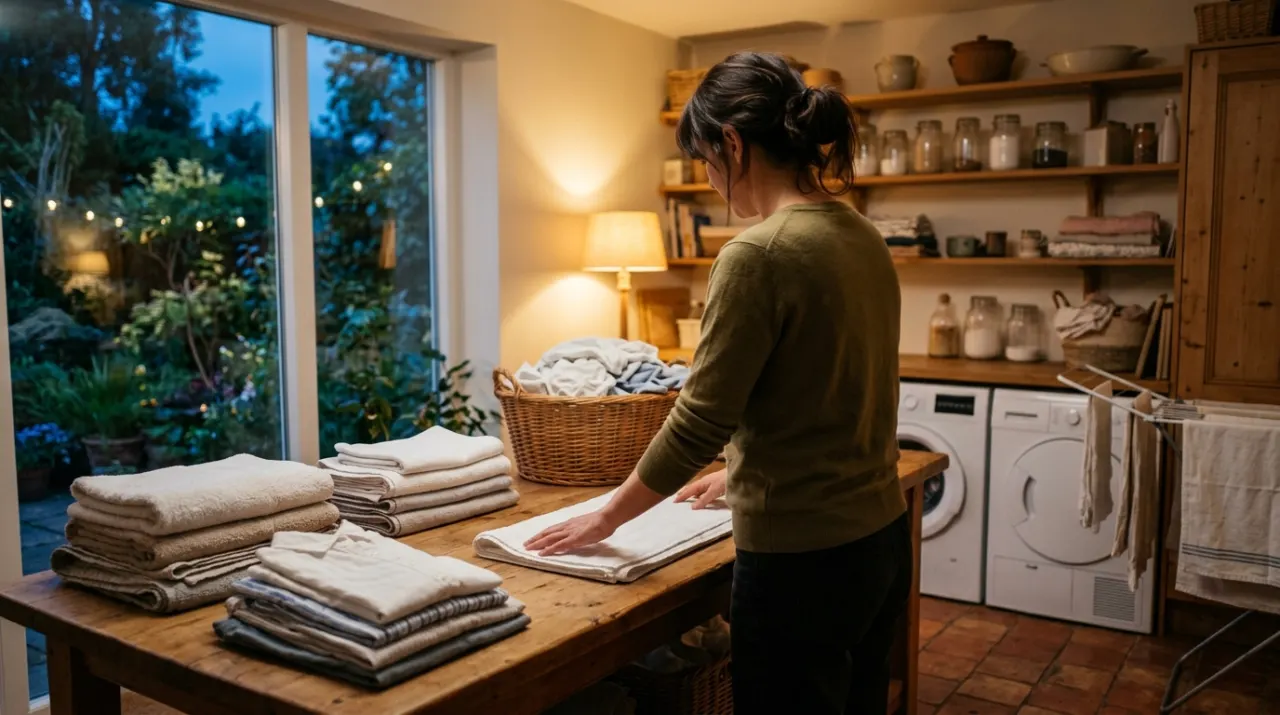
It closes them. Microfiber cleans because each strand is split into wedge-shaped filaments finer than a human hair, creating enormous surface area and tiny capillary channels that pull in water, oil and dust. Polyester begins softening around 250°F, and the tips of those split filaments are the first thing to go, melting into rounded, fused ends. A heat-damaged cloth is easy to identify by touch: instead of catching on dry skin the way a healthy microfiber does, it feels slippery. At that point it will push water across glass rather than absorb it, and no washing will bring it back.
Why is fabric softener worse than heat?
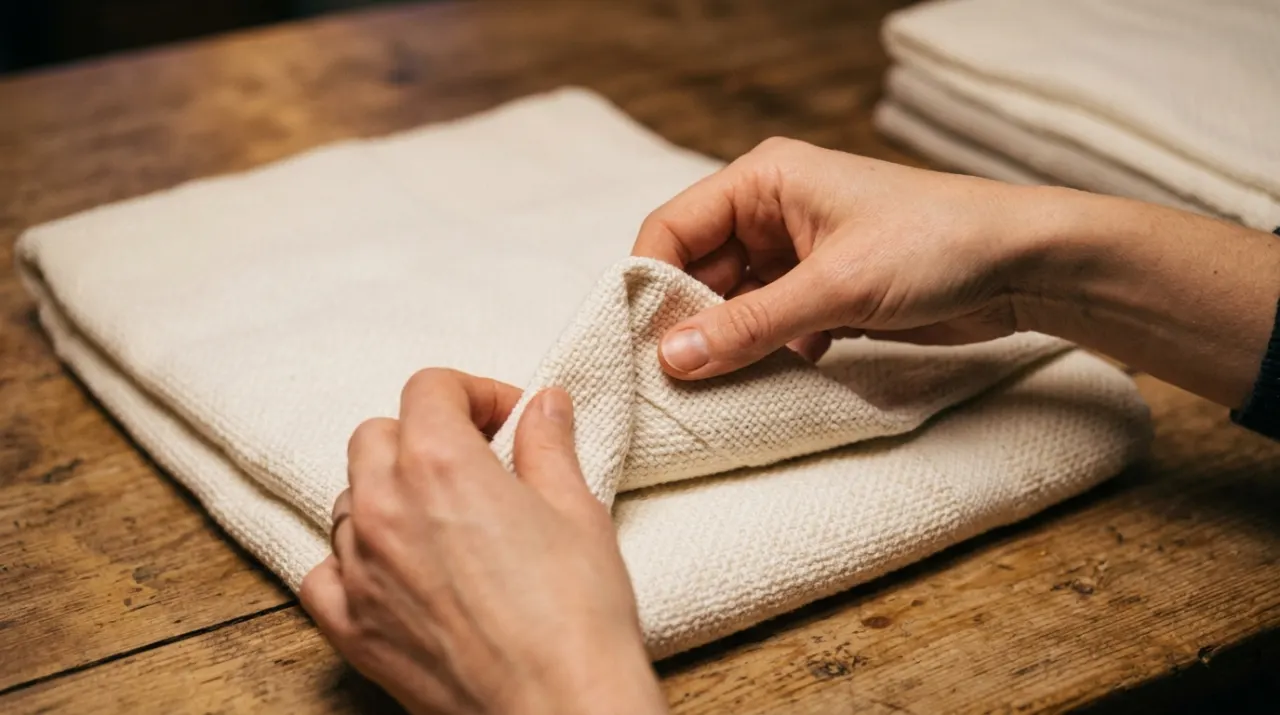
Because it fails the cloth silently and completely on the first exposure. Softener and dryer sheets deposit a hydrophobic film by design, and that film sits in exactly the channels the cloth uses to move water. Owners describe the outcome as cloths that streak windows and mirrors after previously working fine, usually right after someone did the laundry with the usual softener. It also removes the static charge that helps dry microfiber grab dust. If it has happened, wash the cloths several times in warm water with a small amount of detergent and no additives; some recover, some do not.
How long should microfiber cloths last?
Well-made cloths are typically rated by manufacturers for several hundred launderings, and cared-for cloths in a home routinely last years. Replace one when it stops absorbing, when it smears rather than picks up, when it sheds fibers onto surfaces, or when it holds an odor that a wash does not remove. A practical system is to date each new batch and rotate cloths down the hierarchy as they age: glass first, then general surfaces, then kitchen, then garage and rags. Our companion page on how often to replace microfiber cloths goes into the timing.
What else should you know about microfiber?
For choosing cloths in the first place, the consensus picks are in our best microfiber cloths roundup. Related laundry care questions include what temperature to wash towels at and why clothes still smell after washing. If you use microfiber on floors, see how to clean hardwood floors. More in the cleaning and laundry hub.