 Garden

Affiliate Disclosure
Some links on this page are affiliate links. As an Amazon Associate, we earn from qualifying purchases — at no extra cost to you. We do not buy, test, or physically handle the products we cover; our rankings come from aggregated owner reviews, ratings and expert consensus. Commissions never change our verdicts. How we rank · full disclosure.
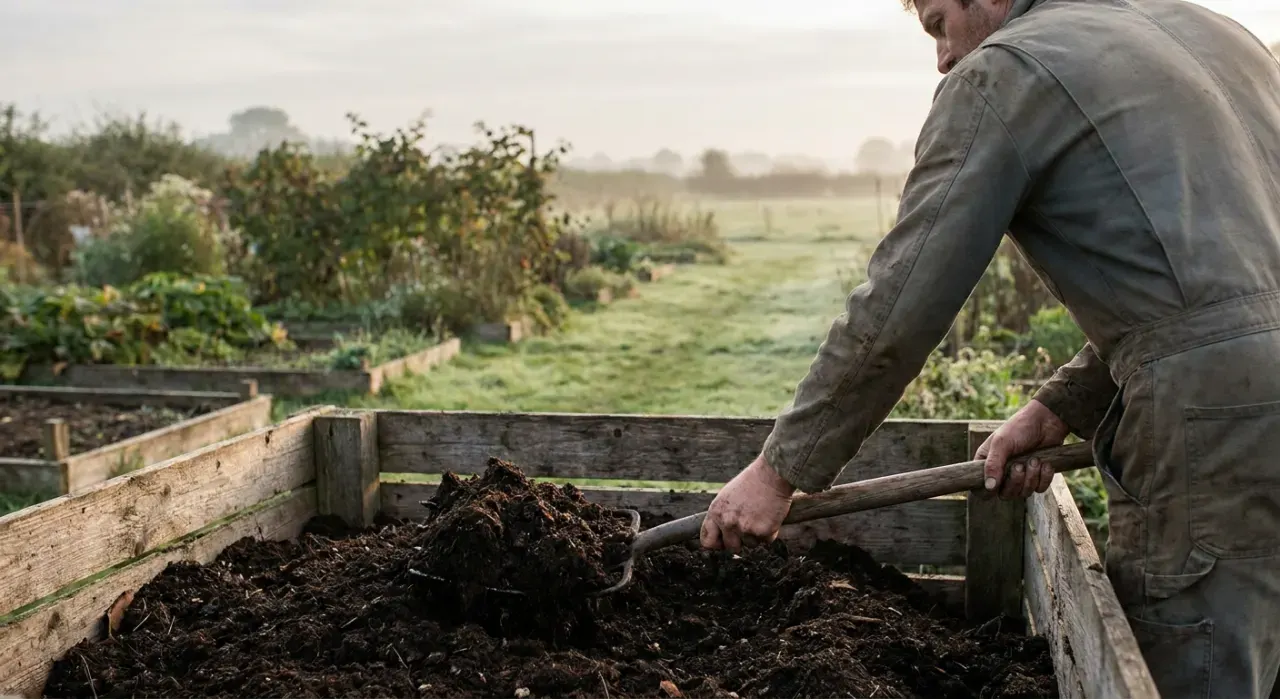
Compost is decomposed organic matter — typically 30 to 70 percent organic content. Topsoil is the mineral surface layer of actual soil, usually 2 to 10 percent organic matter with the rest sand, silt and clay. Topsoil is what you fill and build with; compost is what you amend it with. Compost supplies nutrients, biology and water-holding capacity but slumps and shrinks on its own. Topsoil supplies structure and mineral content but is often nutritionally poor. Almost every garden problem is solved by mixing them, not by choosing between them.
We never buy, test or physically handle the products we rank; recommendations come from aggregated owner reviews and expert consensus, described in how we rank. More at the composting and soil hub.
How do they compare directly?
| Compost | Topsoil | |
|---|---|---|
| What it is | Decomposed organic material | Mineral soil from the upper horizon |
| Organic matter | 30–70% | 2–10% |
| Approx. weight per cubic yard | 800–1,200 lb | 2,000–2,700 lb |
| Nutrient content | Moderate and slow-release | Low and variable |
| Water holding | High | Depends on texture |
| Stability over a season | Shrinks 20–30% as it continues to break down | Stable |
| Typical bulk price per cubic yard | $30–$70 | $20–$60 |
| Use it for | Amending, topdressing, mulching, mix component | Filling, leveling, the bulk of a new bed |
The weight difference is worth noting before you order: a cubic yard of topsoil is over a ton and will not fit in a half-ton pickup, while a cubic yard of compost usually will.
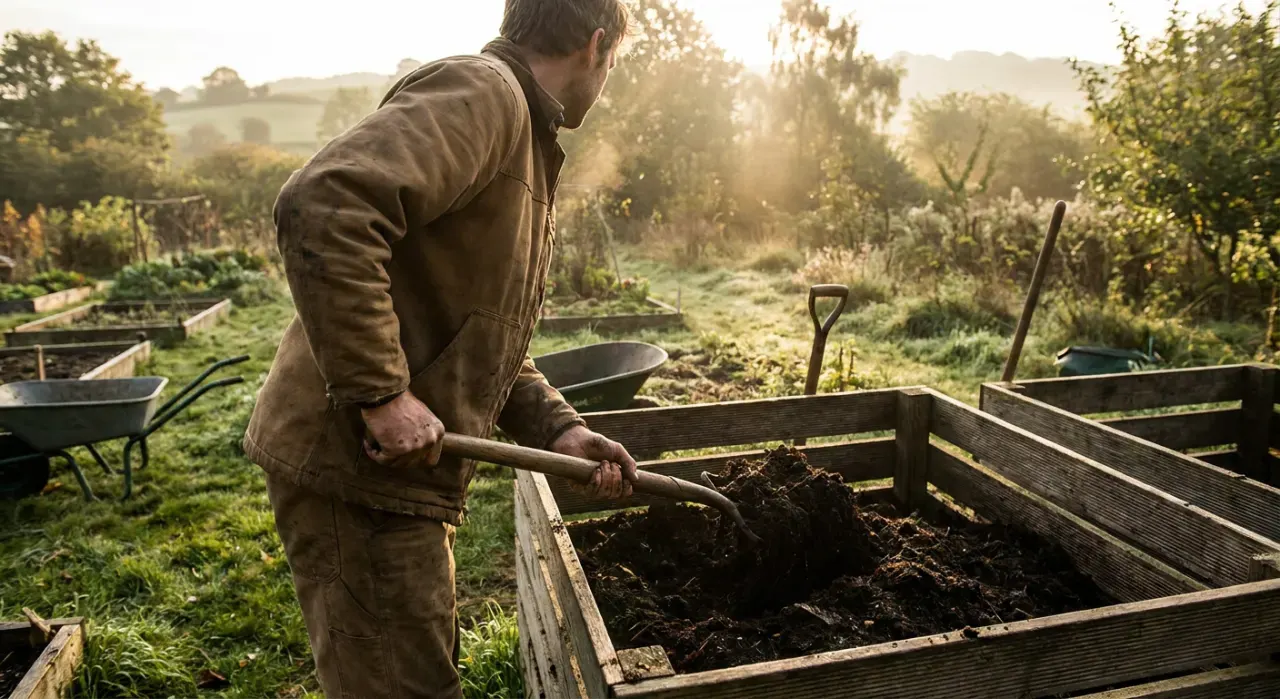
Which one do you need for the job in front of you?
- Filling a new raised bed: both. Roughly 50 to 60 percent topsoil, 30 to 40 percent compost, 10 percent aeration material.
- Improving an existing bed: compost. One to three inches worked into the top 6 to 8 inches, or spread on the surface and left to be incorporated by worms and rain.
- Leveling low spots in a lawn: topsoil, or a soil-compost blend, applied no more than half an inch at a time so the grass grows through.
- Topdressing a lawn to build organic matter: screened compost, a quarter to a half inch, after core aeration.
- Filling a hole or building a berm: topsoil. Compost will settle out from under whatever you put on it.
- Container growing: neither straight. Use a potting mix and add up to 25 to 30 percent compost — garden topsoil compacts badly in pots.
- Mulching: compost works, at 1 to 2 inches, though a coarse bark or wood chip mulch suppresses weeds better.
How do you judge quality before you buy?
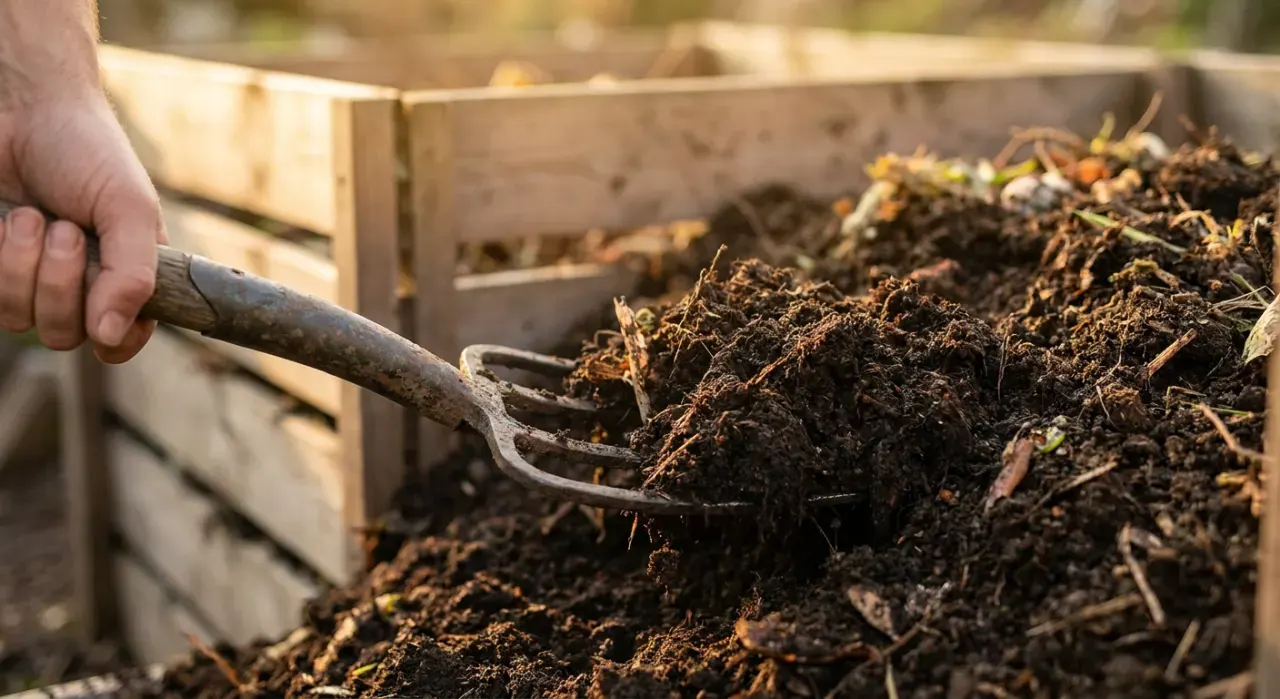
Good topsoil is dark, crumbly and slightly damp, holds together when squeezed and breaks apart when poked. Reject anything that smells sour, arrives as hard clay clods, contains construction debris or trash, or is full of visible weed rhizomes such as bindweed or quackgrass — you are buying a decade of weeding. Ask the supplier where it came from; screened stripped topsoil from a development site is common and its quality depends entirely on the site.
Good compost smells earthy, not sour or ammoniacal, is dark and uniform, and contains no recognizable feedstock. Ask whether it is cured and whether the supplier tests it. Compost sold under the US Composting Council's Seal of Testing Assurance comes with a published analysis including pH, soluble salts, maturity and stability — the only easy way to compare products on evidence rather than appearance. High soluble salts are the most common problem in cheap bulk compost, particularly manure-based products.
The mistake people make most
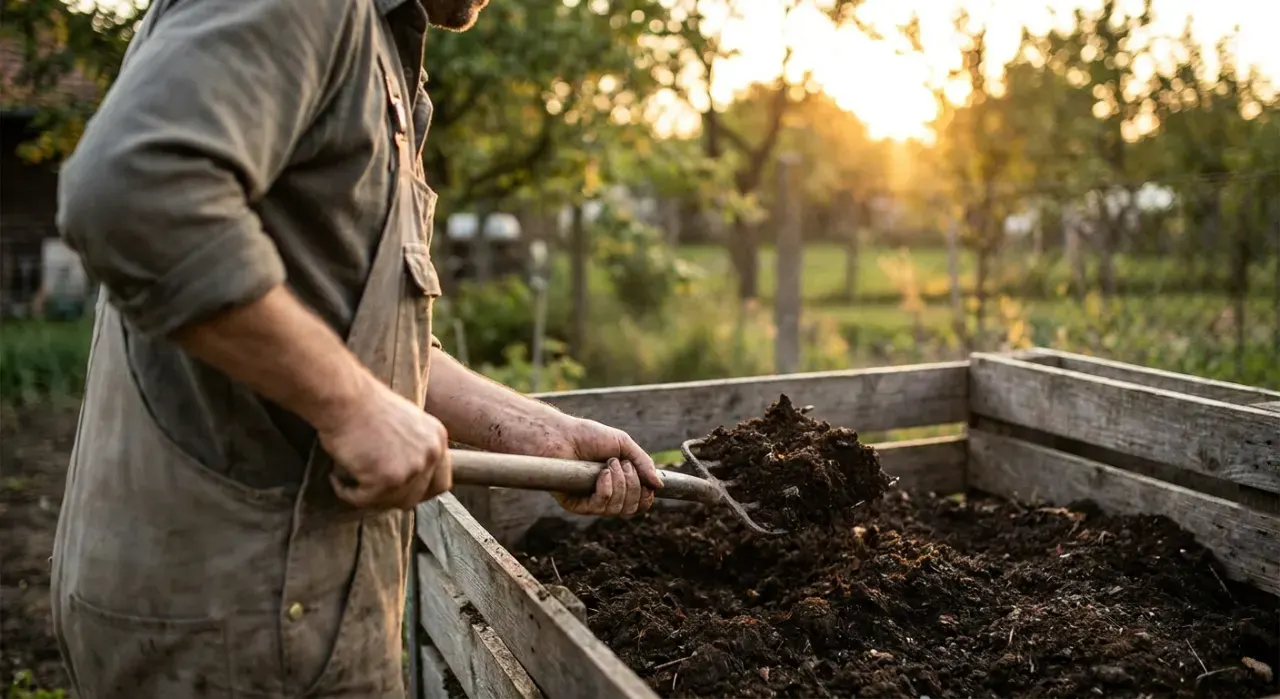
Filling a whole raised bed with pure compost because it looks so good. The first season goes reasonably well; then the bed drops by a quarter to a third in volume, watering becomes unpredictable because the mix either sheds water when dry or waterlogs when wet, and nutrient levels swing as the material finishes decomposing. Compost is an amendment. It performs best at 25 to 40 percent of a mix, and it needs a mineral fraction underneath it doing the structural work.
If you are amending because your native soil is heavy, the specific approach matters — see how to improve clay soil. Before buying anything, a soil test tells you what is actually missing; the cost is in how much a lab soil test costs and interpretation in how to read a soil test.
Making your own compost is cheaper than buying it by a wide margin — start at how to make compost, judge readiness with how you know when compost is finished, and compare systems in best compost bin.