 Garden

Affiliate Disclosure
Some links on this page are affiliate links. As an Amazon Associate, we earn from qualifying purchases — at no extra cost to you. We do not buy, test, or physically handle the products we cover; our rankings come from aggregated owner reviews, ratings and expert consensus. Commissions never change our verdicts. How we rank · full disclosure.
A like-for-like toilet replacement costs $350 to $900 installed in the US as of July 2026. That splits into $250 to $600 in labor for a plumber or handyman and a $120 to $600 fixture. Doing it yourself brings the total down to the price of the toilet plus about $25 to $60 in parts. Costs rise sharply if the closet flange is broken, the subfloor is water-damaged, or the toilet moves position — a relocation commonly runs $1,500 to $4,000.
We never buy, test or physically handle the products we rank; recommendations come from aggregated owner reviews and expert consensus, described in how we rank. More at the DIY plumbing hub.
What are you actually paying for?
Quotes get easier to judge once the line items are separated. Labor on a straight swap is usually 1.5 to 3 hours, and most shops price it flat rather than hourly. The old fixture has to be hauled away, which is sometimes billed separately. And there is a short list of parts that a good plumber replaces as a matter of course rather than reusing.
| Line item | Typical cost | Note |
|---|---|---|
| Standard two-piece toilet | $120–$300 | 1.28 gpf WaterSense models start around $130 |
| One-piece or skirted toilet | $300–$700 | Easier to clean, heavier to set |
| Smart or bidet toilet | $600–$3,000+ | Needs a GFCI outlet nearby — often an added cost |
| Labor, like-for-like swap | $250–$600 | 1.5–3 hours, usually flat-rate |
| Wax or waxless ring + closet bolts | $6–$20 | Never reuse the old ring |
| New quarter-turn shutoff + braided supply | $20–$45 parts | Old multi-turn stops usually will not reseal |
| Closet flange repair or replacement | $150–$400 | Add-on ring $12 if only slightly low |
| Subfloor repair under the toilet | $300–$1,000+ | Only discovered once the bowl is off |
| Haul-away of old fixture | $25–$100 | Often included, ask |
How much does it cost to do it yourself?
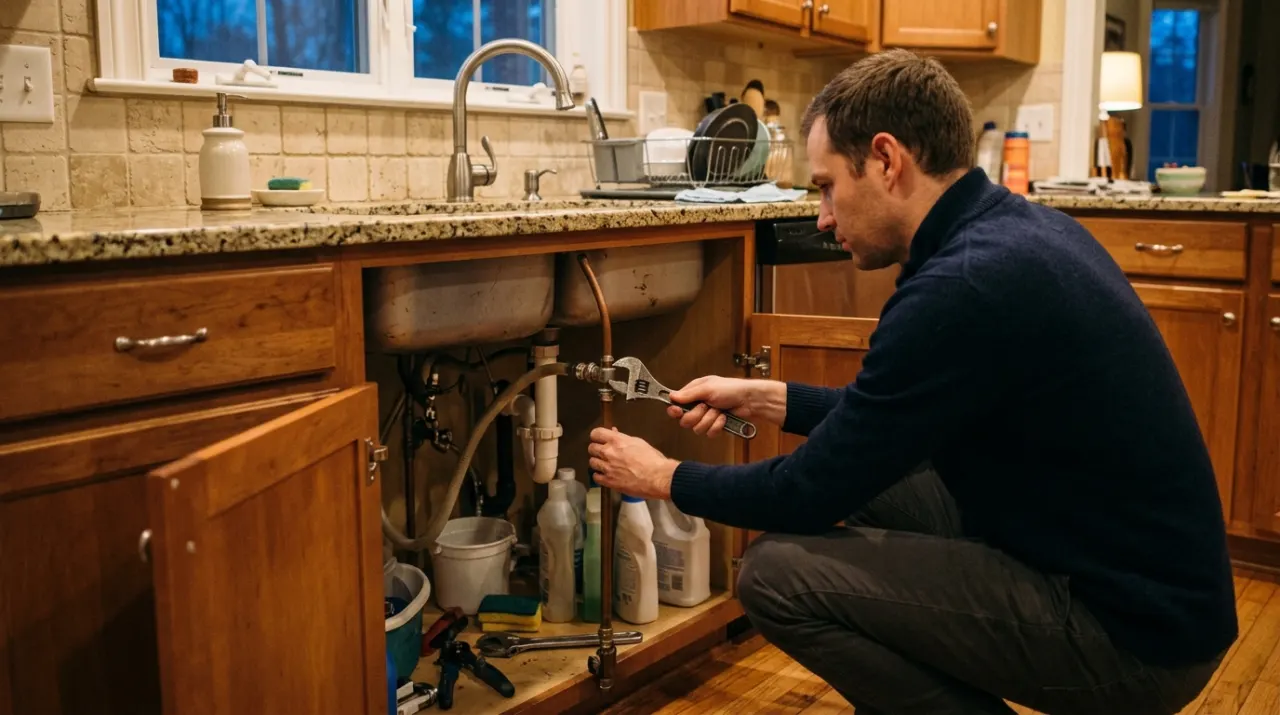
The DIY total is the toilet plus roughly $25 to $60 in consumables — a wax or waxless ring, closet bolts and caps, a braided supply line, and usually a new quarter-turn shutoff valve. Tools you probably already own: an adjustable wrench, a small hacksaw for seized bolts, a putty knife and a bucket. Budget two hours and a second pair of hands, since a one-piece toilet weighs 90 to 120 pounds. The one thing worth buying if you do not have it is a set of large tongue-and-groove pliers, covered in best plumbing tools.
What pushes the price up?
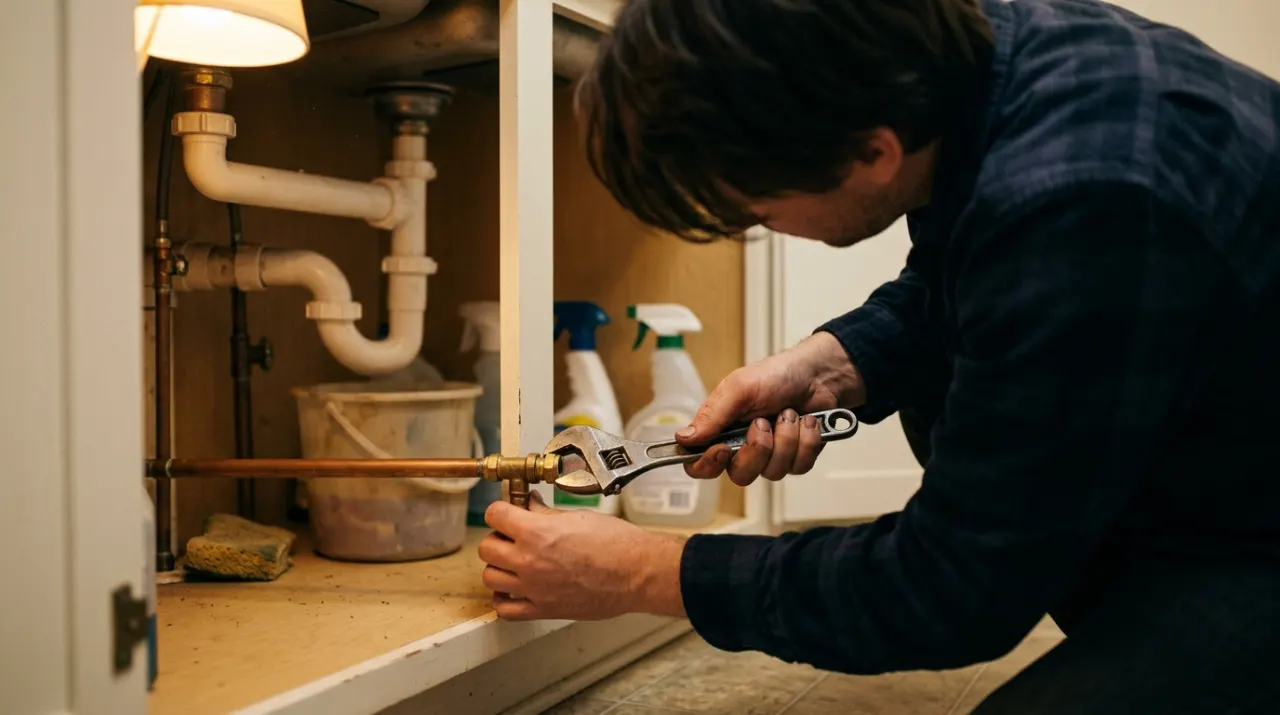
Three surprises account for most blown budgets. A damaged closet flange — the plastic or cast iron ring the toilet bolts to — is common in older homes and adds $150 to $400 to repair properly. A rotted subfloor, revealed by a soft or springy floor around the base, means the toilet has been leaking slowly for a long time and adds $300 to $1,000 or more. And a seized shutoff valve that will not close forces the plumber to shut the house main, and sometimes to replace the stop, adding an hour. If you are getting quotes, ask each shop explicitly what happens to the price if the flange is bad.
Are there rules about which toilet you can install?
Yes, and they are jurisdiction-specific. Federal law has capped new toilets at 1.6 gallons per flush nationwide since 1994. Several states go further: California, Colorado, Texas, New York and Washington among them require replacement fixtures at or below 1.28 gallons per flush, the EPA WaterSense threshold. Practically, almost everything sold today already meets 1.28 gpf, but it matters if you are buying vintage or importing. Some water utilities offer $50 to $150 rebates for swapping a pre-1994 toilet for a WaterSense model — worth checking your utility site before you buy. Permit rules for a straight swap also vary by city, so confirm with your local building department rather than assuming.
While the toilet is out, it is the cheapest moment you will ever get to also replace the shutoff valve and supply line. And if the reason you are replacing is a toilet that will not stop cycling, check how to stop a toilet from running first — a $6 flapper solves it more often than people expect. For hourly rates on the labor half of the quote, see how much a plumber charges per hour, and for clogs that prompted the replacement, best toilet plunger.