 Garden

Affiliate Disclosure
Some links on this page are affiliate links. As an Amazon Associate, we earn from qualifying purchases — at no extra cost to you. We do not buy, test, or physically handle the products we cover; our rankings come from aggregated owner reviews, ratings and expert consensus. Commissions never change our verdicts. How we rank · full disclosure.
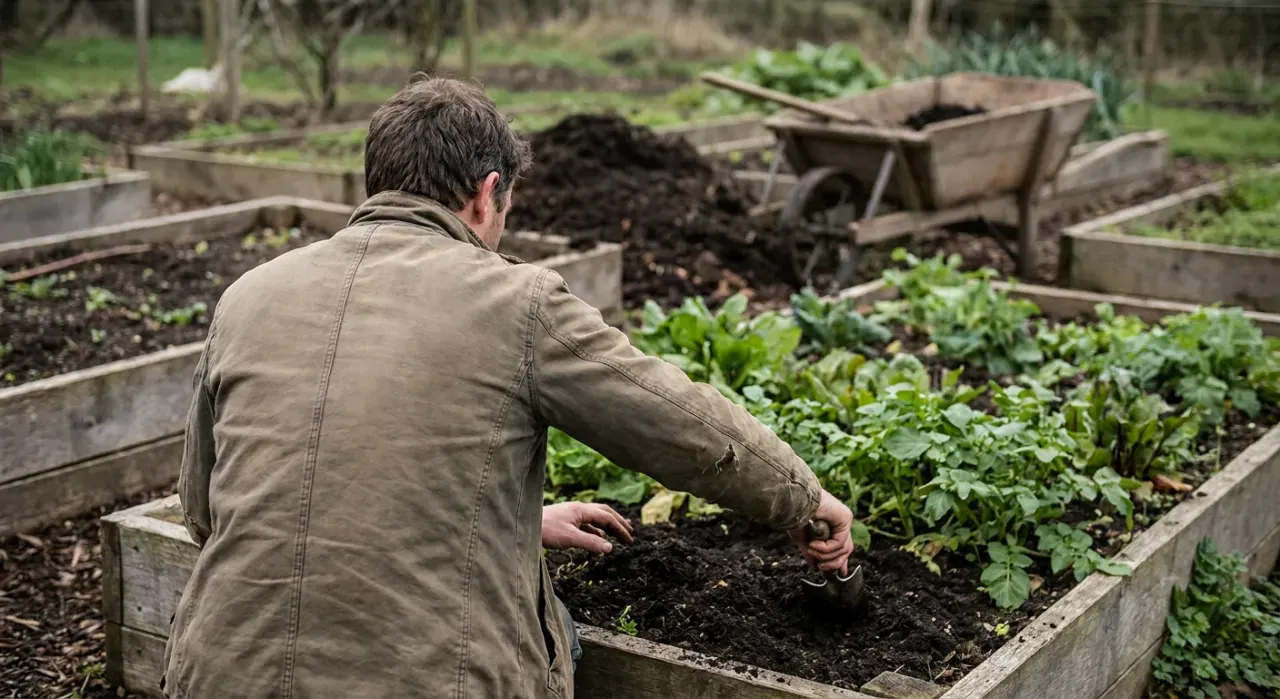
Eight tools cover almost everything: a hand trowel, a hand fork, bypass pruners, a digging spade, a garden fork, a rake, a watering can or hose wand, and gloves that fit. Buy those well rather than buying twenty cheaply. Three of them — trowel, pruners and spade — take the overwhelming majority of the hours, and those are the three where paying more genuinely changes how the work feels.
The most common beginner mistake is not buying the wrong tool, it is buying too many. A large multi-piece kit looks like value and usually ends with three items in constant use and seventeen in the bag, and the three in use are the ones that wear out first.
The Eight
1. Hand Trowel
What it does: planting, potting, transplanting, digging out small weeds, mixing amendments into a bed. It is the tool you pick up every time you go outside.
What to look for: a head cast or forged as one piece with the neck. Cheap trowels are stamped from flat sheet steel and folded into a shank, and that fold is exactly where they crease the first time you lever against a root. If a listing does not say cast, forged or one-piece, assume it is pressed. A blade around 5 to 6 inches long and 2 to 3 inches wide handles most planting.
Budget: $15 to $25. This is the single best-value upgrade in the garden — the field is ranked in best garden trowels.
2. Hand Fork
What it does: loosening compacted soil around plants, teasing out shallow-rooted weeds, working compost into the top few inches, breaking up a root ball at planting.
What to look for: the same one-piece construction rule, and three or four sturdy tines rather than five thin ones. Thin tines splay under load and never come back.
Budget: $10 to $18. This is a tool where mid-price and premium perform close enough that the extra spend is hard to justify.
3. Bypass Pruners
What it does: every cut on living material up to about half an inch — deadheading, harvesting, shaping, taking cuttings. Bypass pruners work like scissors, with a curved blade passing a hooked counter-blade, and they slice cleanly. Anvil pruners crush a stem against a flat plate and are for dead wood only.
What to look for: a serviceable pivot bolt you can tighten, and replaceable blades and springs. That is what separates pruners that last fifteen years from pruners that last two seasons — the pivot loosening is the classic failure, after which the blades pass without shearing and crush everything.
Budget: $30 to $45 for a pair worth resharpening. Our ranked pruning shears covers the field, and sharpening them is a two-minute job once you know the angle.
4. Digging Spade
What it does: planting shrubs, edging beds, slicing sod, moving soil and compost. A spade has a flat, roughly rectangular blade — a shovel has a curved, pointed one and is for scooping loose material. Beginners usually buy a shovel and then wish they had a spade.
What to look for: a forged head, and a turned step — a folded lip on the shoulder for your boot. Cheap spades either omit the step or stamp it, and it folds. Check the handle length against your height; too short and you stoop, which is where most back complaints originate.
Budget: $35 to $50. See our ranked garden spades and shovels.
5. Garden Fork
What it does: turning beds, breaking up compacted ground, lifting potatoes and root crops without slicing them, moving compost and mulch. In heavy clay a fork does what a spade cannot, because the tines go in where a blade will not.
What to look for: four forged square-section tines. Flat, stamped tines bend outward permanently under any real leverage. A border fork — slightly smaller — suits raised beds and anyone of shorter stature.
Budget: $30 to $45.
6. Rake
What it does: two different jobs, and you eventually want both. A bow or garden rake with short rigid steel tines levels soil, breaks clods and prepares a seed bed. A leaf rake with a wide springy fan gathers leaves and clippings. Start with whichever job you actually have.
What to look for: not much. This is a category where an inexpensive tool is genuinely fine, provided the head is riveted rather than press-fitted to the handle.
Budget: $18 to $30.
7. Watering Can or Hose Wand
What it does: the job you will do more than any other. A 2-gallon can with a removable rose covers containers and seedlings; a hose wand with a shut-off valve covers a yard.
What to look for: a rose fine enough not to wash seedlings out of their mix, and a balanced handle. Note that a full 2-gallon can weighs about 17 pounds — buy the smaller size if that is a problem, because it is the tool most likely to be carried a hundred times a summer.
Budget: $15 to $30.
8. Gloves
What it does: keeps you gardening on the days you would otherwise not bother.
What to look for: a close fit — gloves too large make you clumsy with seedlings and cause blisters rather than preventing them. Nitrile-coated knit gloves are the everyday choice: breathable, grippy, washable, cheap. Add leather gauntlets only if you have roses or brambles.
Budget: $10 to $20, and buy two pairs, because one will always be wet.
What the Eight Should Cost
| Tool | Sensible budget | Worth paying up for? |
|---|---|---|
| Hand trowel | $15–25 | Yes — one-piece head |
| Hand fork | $10–18 | No — mid-price is fine |
| Bypass pruners | $30–45 | Yes — serviceable pivot, replaceable blade |
| Digging spade | $35–50 | Yes — forged head, turned step |
| Garden fork | $30–45 | Somewhat — forged tines matter |
| Rake | $18–30 | No |
| Watering can / wand | $15–30 | No |
| Gloves | $10–20 | No — but buy two pairs |
| Total | $163–263 |
If that total is more than you want to spend at once, buy in this order: trowel, pruners, gloves, spade, watering can, hand fork, fork, rake. The first three get you through a container garden and a season of light yard work on their own.
What to Skip
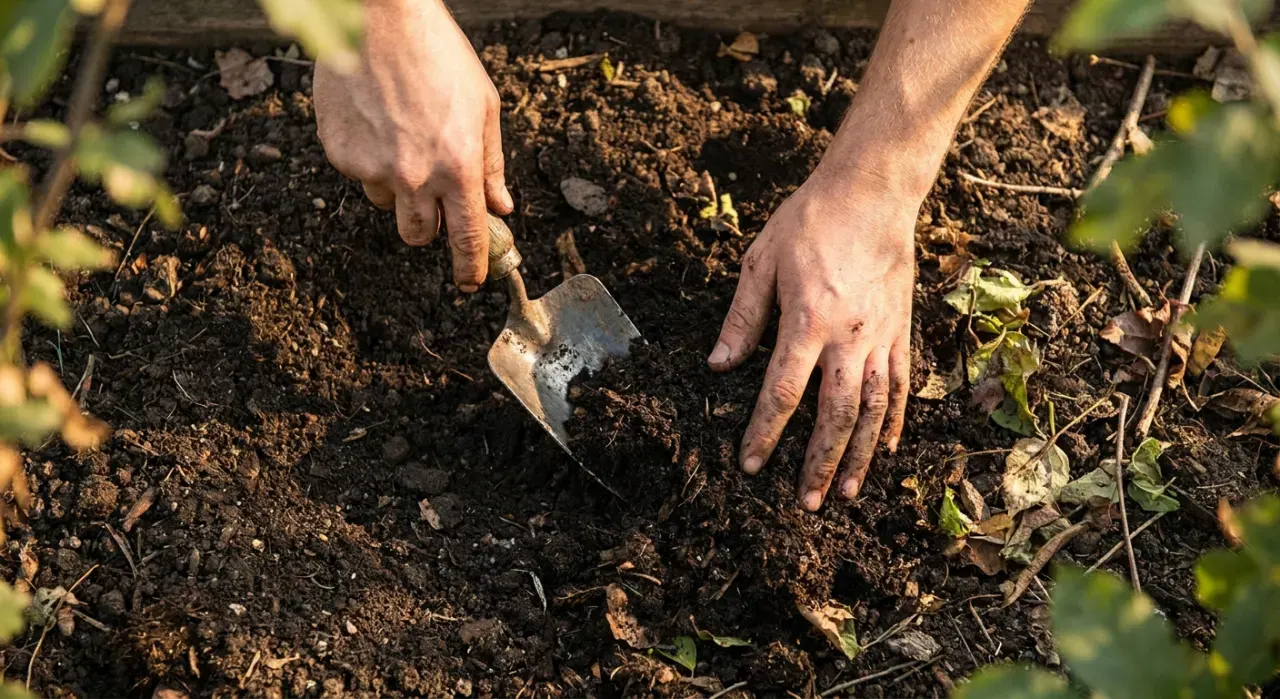
Bulb planters, dibbers and soil scoops. A trowel does all three. Bulb planters in particular are the classic gift-shop tool: they work beautifully in loose bed soil and jam solid in anything else.
Three-tine hand cultivators. A hand fork does this better with less wrist twisting.
Garden knives and weeding forks. Useful eventually, unnecessary at the start. If you find yourself doing a lot of tap-rooted weeding, buy a proper long weeder then.
Twenty-piece kits. The economics are bad in a specific way: the two tools you actually use fail first because they are the cheap versions, and the other eighteen sit unused in the tote.
Powered anything, in year one. Trimmers, tillers and blowers are for problems you may not have. Renting a tiller for a weekend costs a fraction of owning one, and a tiller is a once-per-bed tool anyway.
Sets vs Buying Individually
Sets earn their place in two situations. You are starting from absolutely nothing and want to be gardening this weekend, or you are buying a gift and a tote full of matching tools presents better than one excellent trowel. A decent kit costs less than two premium tools bought separately, and the tote itself is genuinely useful.
What sets are not is uniform. Almost every kit has one or two good pieces and several fillers, and virtually none include a full-size spade or fork, so the two most expensive items on the list are still ahead of you. Our ranked garden tool sets covers which kits get the important pieces right and where each falls short.
Buying individually wins as soon as you know how you garden. A container grower wants a trowel, a narrow transplanter and pruners and has no use for a rake. Someone clearing an overgrown yard needs loppers and a spade far more than a hand cultivator.
Making Them Last
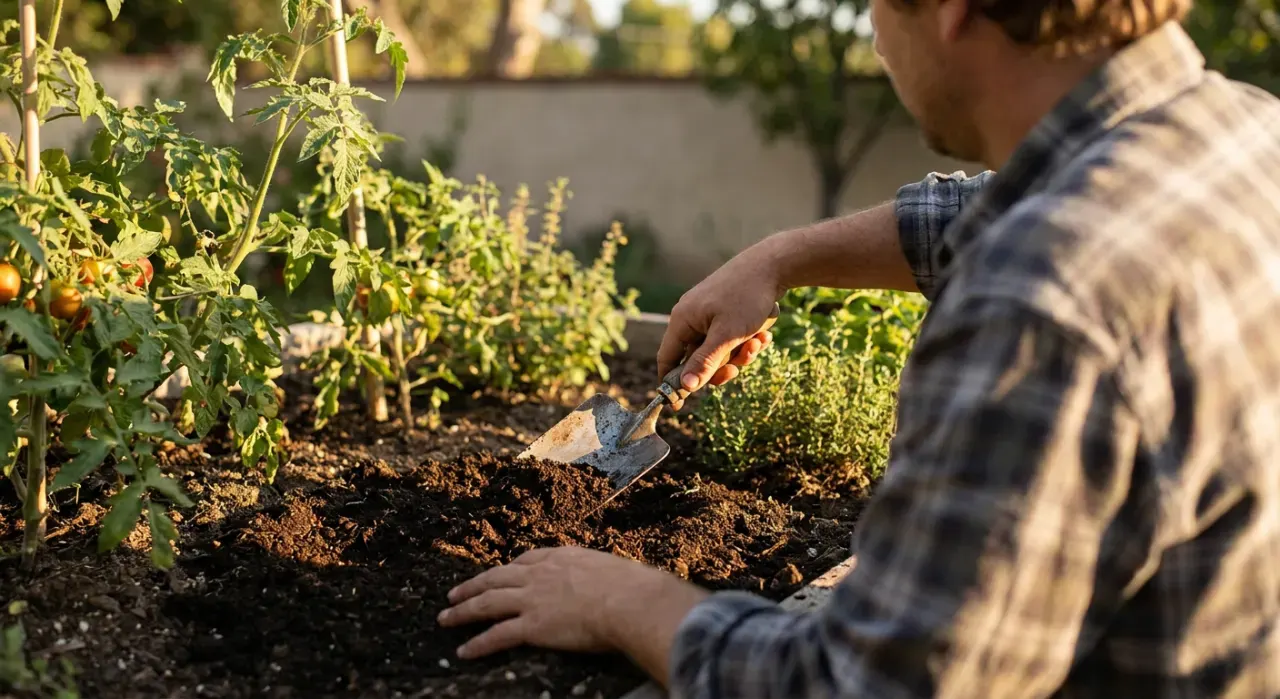
Eight good tools bought once should still be working in twenty years, and the routine that gets them there takes about two minutes a day. Knock the soil off before a tool goes away — dried soil holds moisture against steel and that is where rust starts. Dry the metal, particularly after cutting wet greenery, since plant sap is acidic. Hang tools rather than standing them on damp concrete. Oil the metal once a season and the wooden handles once a year.
Sharpening is the part beginners skip and regret. Pruners want a touch-up whenever cuts start crushing instead of slicing — a two-minute job with a small diamond file — and a spade wants an edge once or twice a season, which makes slicing sod and cutting roots dramatically easier. Both are covered step by step in how to sharpen garden tools, storage over winter is in how to store garden tools, and if you have inherited a shed of neglected steel, start with removing rust from tools before buying anything new.
Where to Go Next
Decide between stainless and carbon steel for each tool using stainless vs carbon steel — the short version is stainless for digging, carbon for cutting. If hand or joint pain is a factor, read ergonomic tools before buying anything, because grip shape matters more than brand. The full buying picture is in our garden hand tools hub, and our rankings come from aggregated owner reviews rather than first-hand handling — see how we rank.