 Garden

Affiliate Disclosure
Some links on this page are affiliate links. As an Amazon Associate, we earn from qualifying purchases — at no extra cost to you. We do not buy, test, or physically handle the products we cover; our rankings come from aggregated owner reviews, ratings and expert consensus. Commissions never change our verdicts. How we rank · full disclosure.
The short answer: buy a smart thermostat if your schedule is irregular, you like remote control, or you know you will never sit down and program a fixed schedule — its geofencing and learning capture savings you would otherwise forget. Buy a programmable thermostat if you keep a steady routine, do not want an app or Wi-Fi, and will actually enter a schedule. The energy savings are closer than the price gap suggests: a well-set programmable model captures most of the setback benefit; the smart one mainly saves you from your own forgetfulness.
Both cut your bill the same way — by easing off heating and cooling when you are asleep or out. The difference is who decides when. We never buy or physically handle the units we cover; rankings come from aggregated owner reviews and star ratings, explained in how we rank. The full field lives at the heating and cooling hub.
Smart vs Programmable at a Glance
| Dimension | Programmable | Smart |
|---|---|---|
| Schedule | Fixed, entered by hand | Learns or auto-adjusts |
| Remote control | No | Yes — phone app |
| Occupancy sensing | No | Geofencing / motion |
| Wi-Fi required | No | Yes |
| C-wire needed | Usually no (battery) | Usually yes |
| Energy reports | No | Yes |
| Typical price | Lower | Higher |
| Best for | Steady routines | Irregular schedules |
Which one actually saves money?
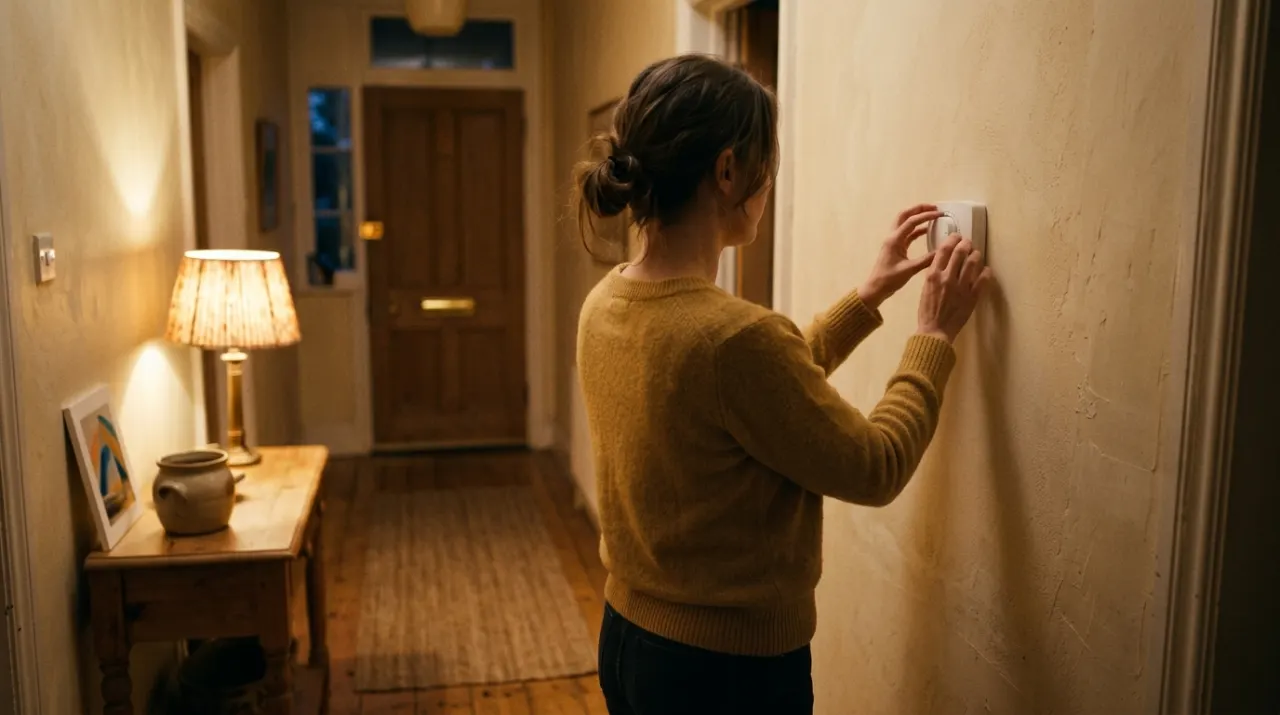
Both save by setting the temperature back — ENERGY STAR estimates roughly 8 percent on heating and cooling for a certified smart thermostat against a manual baseline, and a diligently programmed 7-day model captures much of that same figure. The distinction is behavioral, not mechanical. A programmable thermostat only saves if you enter a schedule and leave it alone; studies of real homes found many people override or never set their programmable units, wiping out the benefit. A smart thermostat closes that gap with geofencing that eases off when your phone leaves home and learning routines that adjust without you. If you are the type who will set it and forget it, the savings are similar; if you are not, the smart one wins by default. Our ranked field is in best smart thermostats, and the payback math is in how much a smart thermostat saves per year.

What the smart features really add
Beyond savings, a smart thermostat buys convenience: adjust the heat from bed or from the airport, get an alert if the house drops toward freezing while you travel, and see monthly energy reports that show where the money goes. Voice control and integration with the rest of a connected home are the extras owners mention most. None of that lowers your bill by itself, but the remote freeze alert alone can prevent a burst-pipe disaster — see how low you can set a thermostat before pipes freeze. If you already know the switch, the mechanical steps are the same for both in how to replace a thermostat.
When a programmable model is the smarter buy
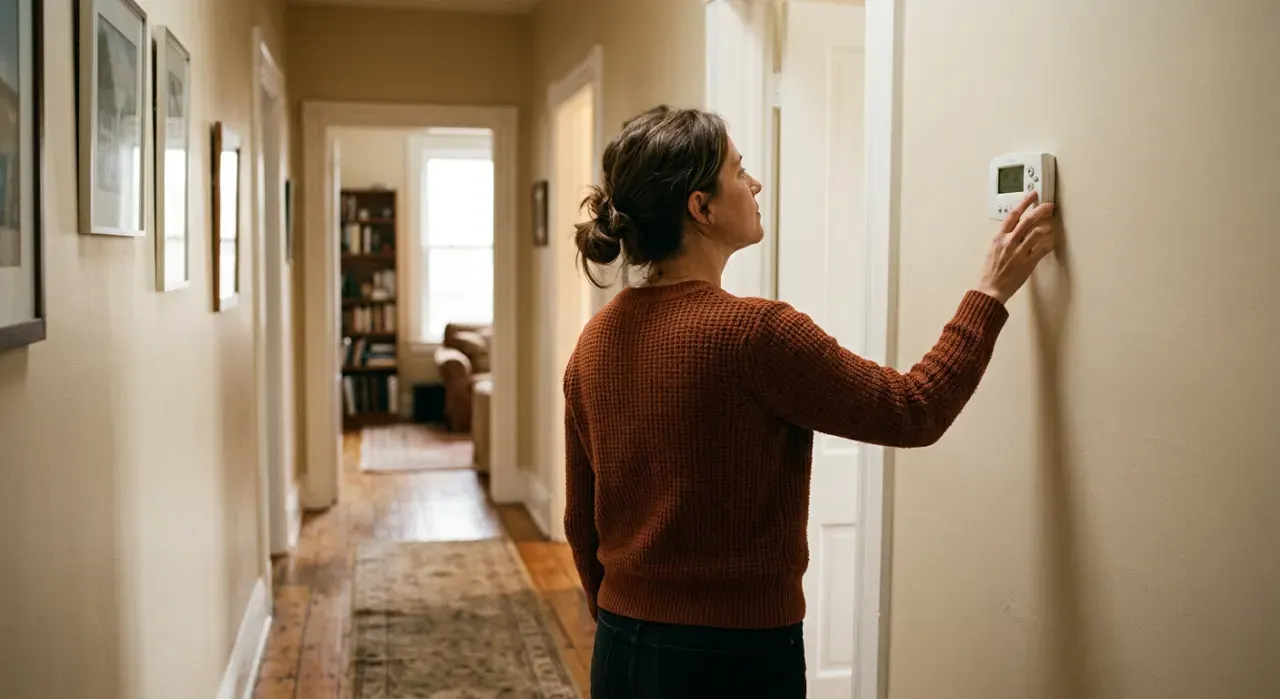
A plain 7-day programmable thermostat is the right choice more often than people admit. It needs no Wi-Fi, no app, no subscription, and often no C-wire because it runs on batteries — which makes it ideal for a rental, a cabin, a workshop, or anyone who simply wants scheduled setbacks without a screen full of features. If your days follow a predictable rhythm, you will get nearly the same savings for a fraction of the price and none of the setup hassle. The one job it cannot do is adapt when your schedule does not.
Which should you buy?
Buy smart if your schedule shifts, you value remote control and freeze alerts, or you honestly will not program a fixed schedule. Buy programmable if you keep a steady routine, want to avoid Wi-Fi and apps, or need a battery-powered unit for a space without a C-wire. Whichever you choose, the money is in the setbacks — a 7-to-10-degree change while you sleep or are away is where the savings come from, and both can deliver it. Check your wiring for a C-wire before buying a smart model, since that is the most common install snag.