 Garden

Affiliate Disclosure
Some links on this page are affiliate links. As an Amazon Associate, we earn from qualifying purchases — at no extra cost to you. We do not buy, test, or physically handle the products we cover; our rankings come from aggregated owner reviews, ratings and expert consensus. Commissions never change our verdicts. How we rank · full disclosure.
The short answer: when a furnace is not working, check the four easy things first, in order — the thermostat (set to Heat, above room temperature, batteries good), the power (breaker not tripped, the furnace switch on, the door fully closed), the air filter (a clogged one shuts the furnace down on overheat), and the gas supply (valve open, pilot or igniter working). These free checks solve a large share of no-heat problems. If they do not, and especially if you smell gas or hear banging on ignition, stop and call a licensed technician.
We do not service furnaces first-hand; this guidance follows HVAC and home-safety consensus, as described in how we rank. The goal here is to walk you safely through the checks a homeowner can do, and to be clear about the line where troubleshooting stops and a professional starts, because a furnace involves gas and combustion.
Start with the thermostat
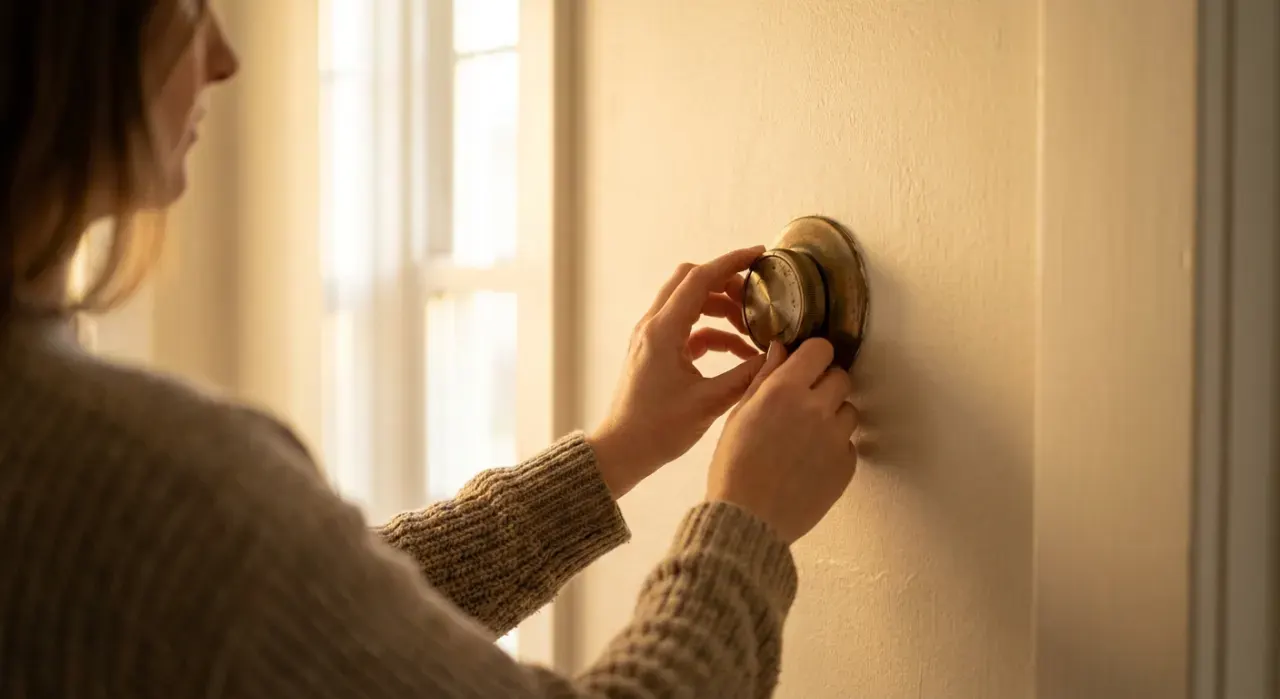
It sounds too simple, but the thermostat is one of the most common reasons a furnace will not run. Confirm three things: it is set to Heat (not Cool or Off), the target temperature is set several degrees above the current room temperature so it actually calls for heat, and — if it is battery-powered — the batteries are fresh, since a dying thermostat can go blank or behave erratically. Also make sure the fan is set to AUTO rather than ON; on ON, the blower runs constantly and can make you think the furnace is blowing cool air when the burner simply is not firing.
If replacing the batteries or resetting the thermostat brings the furnace back, you are done. If the thermostat screen is dead even with new batteries, or nothing changes, move on to power.
Check the power and the door
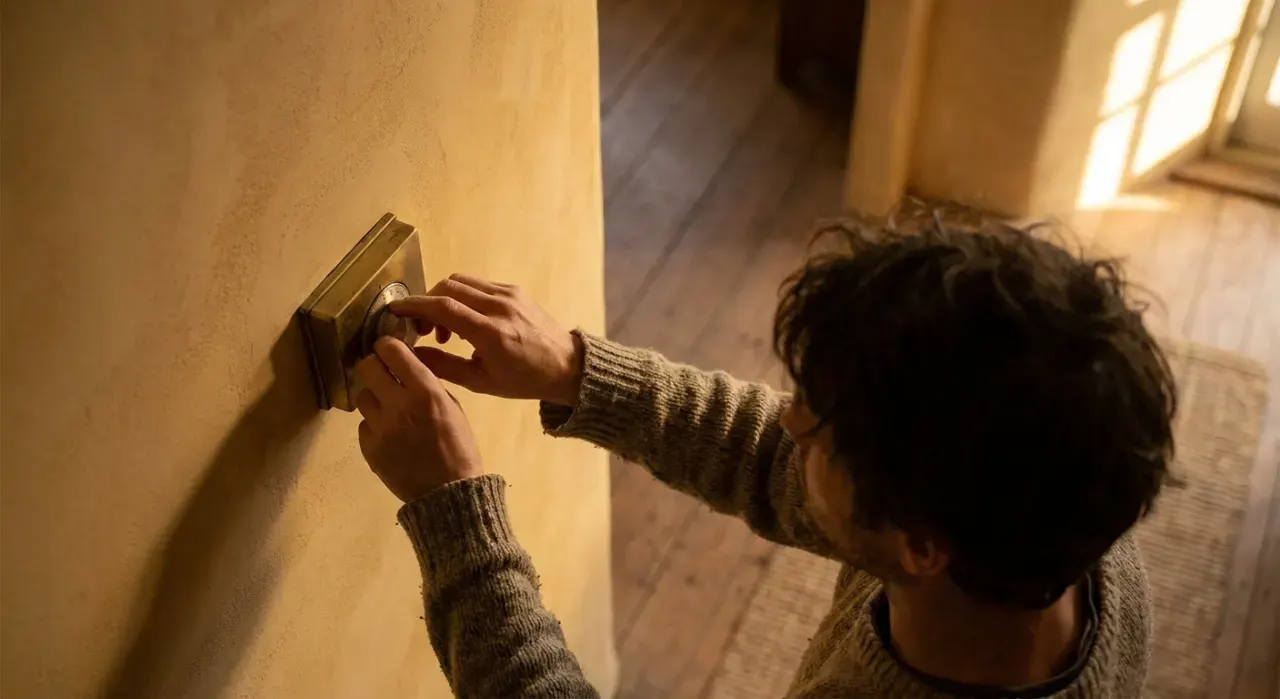
A furnace needs electricity to run even if it burns gas, so a power interruption stops it cold. Check these:
- Circuit breaker. Find the furnace's breaker in the electrical panel; if it has tripped, reset it. If it trips again immediately, stop — that points to an electrical fault for a technician.
- The furnace power switch. There is usually a switch that looks like a light switch on or near the furnace. It is easy to flip off by accident. Make sure it is on.
- The furnace door or panel. Most furnaces have a safety interlock that cuts power unless the front panel is fully closed and seated. If someone opened it to check the filter and did not reseat it, the furnace will not run.
These are free, take a minute, and resolve a meaningful share of no-heat situations.
Check the air filter
A dirty filter is one of the most common furnace faults and one of the easiest to fix. When the filter clogs, it chokes the airflow through the system, the furnace overheats, and a safety limit switch shuts the burner down to protect the heat exchanger. The symptom is often a furnace that starts and then stops, or short-cycles, or will not run for long. Pull the filter and hold it up to the light; if you cannot see light through it, replace it.
Replace a standard filter every one to three months, more often with pets or a lot of dust. Keeping it clean also prevents longer-term damage — see how often you should change an HVAC filter. If a fresh filter restores heat, that was your problem.
Check the gas supply, pilot, and igniter
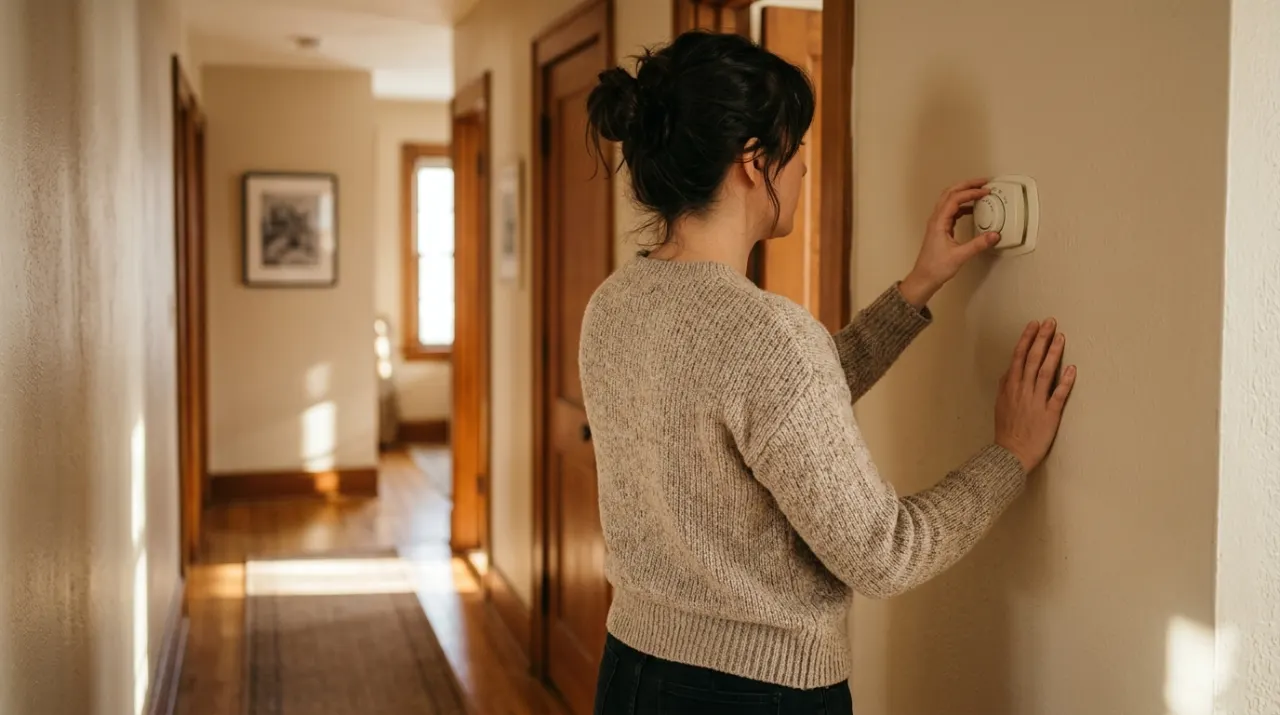
On a gas furnace, no fuel means no heat. Confirm the gas is on: the shutoff valve on the gas line to the furnace should be open (handle in line with the pipe), and other gas appliances like the stove should be working, which tells you the household supply is fine. Then the ignition:
- Older furnaces with a standing pilot can be relit by hand, following the instructions printed on the unit — but only if you do not smell gas.
- Most modern furnaces use an electronic igniter or hot-surface igniter instead of a standing pilot. A failed igniter is a common no-heat cause and is a technician repair, not a match.
- A dirty flame sensor makes the burner light and then shut off after a few seconds, because the furnace cannot confirm a flame. Cleaning it is a common fix — see how to clean a furnace flame sensor.
If you smell gas at any point, stop. Do not light anything or flip switches — leave the house and call your gas utility from outside. Gas safety overrides every troubleshooting step.
Check the Furnace Vents and Airflow
Sometimes the furnace is working but the heat is not reaching the rooms. Make sure supply registers throughout the house are open and not blocked by furniture or rugs, and that the return air grilles are clear. Blocked airflow, like a dirty filter, can cause overheating and short cycling. Also check that the outdoor intake and exhaust vents on high-efficiency furnaces are not blocked by snow, leaves, or a nest, since a blocked vent will lock the furnace out on a safety switch.
Match the Furnace Symptom to the Cause
A quick map from what you are seeing to where to look:
| Symptom | Likely cause | First check |
|---|---|---|
| Nothing happens at all | Thermostat or power | Thermostat setting, breaker, power switch, door |
| Blower runs but air is cool | Fan on ON, or ignition failure | Set fan to AUTO; check igniter or pilot |
| Starts then stops (short cycles) | Dirty filter, flame sensor, or airflow | Filter first, then flame sensor and vents |
| Burner lights then goes out in seconds | Dirty flame sensor | Clean the flame sensor |
| Banging or booming on ignition | Delayed ignition, possible gas buildup | Stop and call a technician |
| Gas smell | Gas leak | Leave and call the gas utility |
For the short-cycling case in more depth, see why a furnace short cycles.
When to Call a Furnace Professional
Homeowner troubleshooting stops at the simple resets and the filter. Call a licensed HVAC technician if the basic checks do not restore heat, and call immediately — without further DIY — for any of these: a gas smell, a carbon monoxide alarm, a suspected cracked heat exchanger, repeated short cycling, or banging and booming on ignition. Internal repairs to the burner, gas valve, igniter, blower motor, and heat exchanger involve gas, electricity, and combustion safety and belong to a pro. A carbon monoxide alarm in the home is essential with any combustion furnace.
Preventive maintenance — a yearly professional tune-up and regular filter changes — heads off most no-heat emergencies before the cold snap arrives. The rest of our heating guidance, including how to keep a room comfortable, is at the heating and cooling hub, with how to make a room warmer for comfort while you sort out a fault. How we make recommendations is explained in how we rank.