 Garden

Affiliate Disclosure
Some links on this page are affiliate links. As an Amazon Associate, we earn from qualifying purchases — at no extra cost to you. We do not buy, test, or physically handle the products we cover; our rankings come from aggregated owner reviews, ratings and expert consensus. Commissions never change our verdicts. How we rank · full disclosure.
Smart bulbs are worth it in specific places, not as a whole-house policy. They pay off in table and floor lamps with awkward switches, in color accent lighting, in rooms you want on a schedule, and in rentals where rewiring is not an option. They are poor value in a five-bulb chandelier or a room with six recessed cans, where a single smart switch costs less than the bulbs, controls everything at once, and lets you use cheap long-life LEDs behind it. Decide fixture by fixture and the money goes a long way further.
Where does a smart bulb beat the alternatives?
| Situation | Best choice | Why |
|---|---|---|
| Table or floor lamp, awkward switch | Smart bulb | No switch to replace; voice and schedule control |
| Color accent or mood lighting | Smart bulb | Only the bulb can change color |
| Rental, no rewiring allowed | Smart bulb | Screws in, unscrews when you leave |
| Ceiling fixture, 3+ bulbs | Smart switch | One device instead of five; cheaper bulbs |
| Room with recessed cans | Smart switch or smart dimmer | Controls the whole circuit |
| Three-way switched hallway | Smart switch kit | Bulbs cannot resolve two-switch logic |
| You just want light | Plain LED + good dimmer | Cheapest, longest-lived, nothing to break |
The switch route needs a neutral wire in the box in most cases and is a real electrical job — see how to install a smart light switch, and stop and call a licensed electrician if the box has no neutral or the wiring is unclear.
What is the wall switch problem?
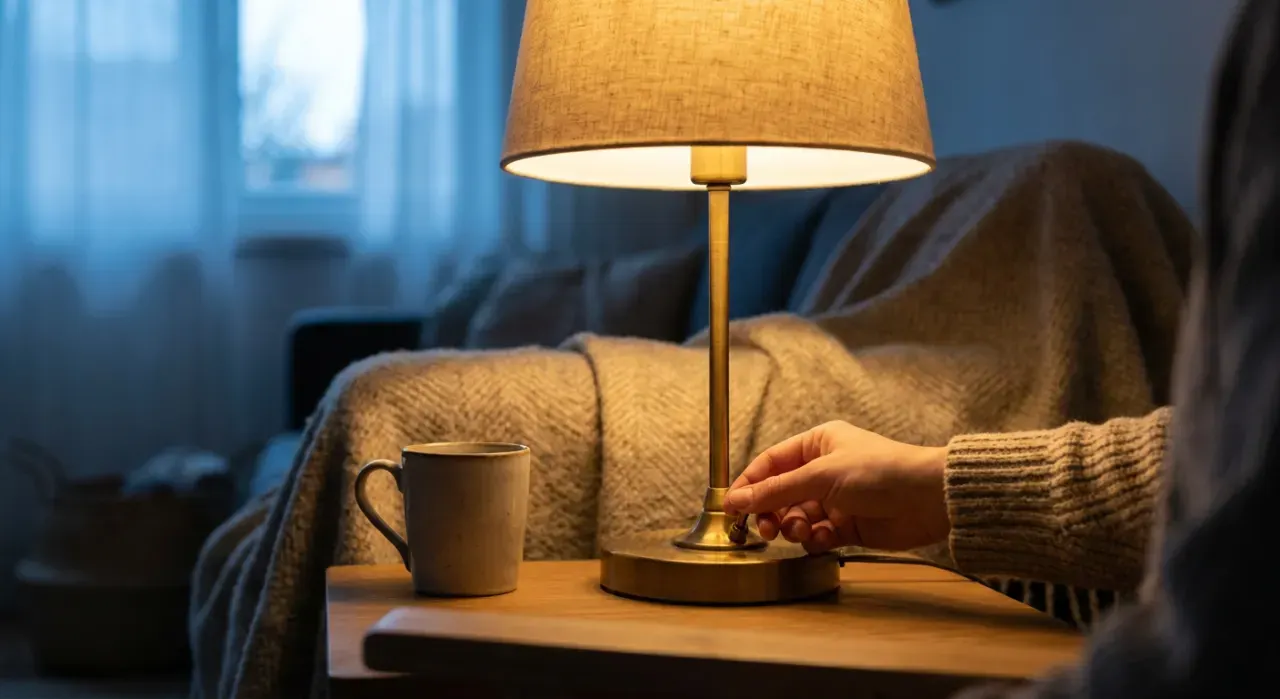
A smart bulb needs power at all times to stay on the network. The moment someone flips the wall switch off — a guest, a child, a habit of thirty years — the bulb goes dark and disappears from the app, and every schedule, scene and voice command for that fixture stops until the switch goes back on. This is the single biggest source of frustration in owner reviews of smart bulbs, and it has no elegant fix. The workarounds are switch guards, taping the switch, removing the toggle, or replacing the switch with a smart one that keeps power live. If the fixture is in a shared or high-traffic space, weigh that hard before buying bulbs.
What does the money look like over five years?
A color smart bulb at $20 to $30 that lasts perhaps five years costs several times a $3 LED rated for twenty. Add roughly 45 cents a year in standby draw per bulb — the arithmetic is in do smart bulbs use electricity when off. Against that, energy savings from automation are real but modest, and only apply if lights were previously being left on. The honest conclusion is that a smart bulb is a convenience and ambience purchase, not an efficiency one. It is worth what the control is worth to you, which for a bedside lamp you use every night can be quite a lot, and for a closet fixture is nothing at all.

Do they last long enough to justify the price?
Less long than you would hope. Smart bulbs are rated 15,000 to 25,000 hours against 25,000 to 50,000 for plain LEDs, and typical warranties run two years rather than three to five, because the radio and driver electronics fail before the emitter — detail in how long smart bulbs last. There is also the software risk: a discontinued ecosystem can strip a working bulb of its scheduling and app control. Favor bulbs supporting an open standard such as Matter, Zigbee or Thread, and check whether they retain local control without cloud access — the criteria behind our best smart bulb picks.
Is there a middle path?
Yes, and it is what most satisfied households end up with. Use plain LEDs on a quality dimmer for general room lighting, where dimming does 90 percent of what people actually want from smart lighting at a fraction of the cost — see our best dimmer switch picks and whether LEDs need a special dimmer. Then add a handful of smart bulbs where they genuinely add something: two bedside lamps, a living room accent, a porch light on a sunset schedule. That mix costs a fraction of a whole-house conversion and produces most of the benefit.
We do not buy, test or physically handle any product on this site — conclusions come from aggregated owner reviews, manufacturer specifications and expert consensus. See how we rank.
More from this hub: Indoor Lighting · Smart bulbs without Wi-Fi · Kitchen lumens · How we rank