 Garden

Affiliate Disclosure
Some links on this page are affiliate links. As an Amazon Associate, we earn from qualifying purchases — at no extra cost to you. We do not buy, test, or physically handle the products we cover; our rankings come from aggregated owner reviews, ratings and expert consensus. Commissions never change our verdicts. How we rank · full disclosure.
Generally no. For planting beds mulched with wood chips or bark, most extension horticulturists and professional landscapers advise against landscape fabric. The reason is simple: organic mulch decomposes into a fine layer of compost on top of the fabric, weed seeds germinate in that layer, and their roots grow straight through the porous weave. Within two or three years the fabric is holding weeds rather than blocking them, while also cutting the soil off from the organic matter that mulch is supposed to deliver. Fabric belongs under gravel and stone, not under bark mulch.
We never buy, test or physically handle the products we rank; recommendations come from aggregated owner reviews and expert consensus, described in how we rank. More at the landscaping and hardscaping hub.
Where does fabric help and where does it hurt?
The distinction is whether the covering material decomposes. Inert coverings pair well with fabric; organic ones do not:
| Application | Use fabric? | Why |
|---|---|---|
| Gravel path or dry riverbed | Yes | Separation layer; stone stays out of the soil |
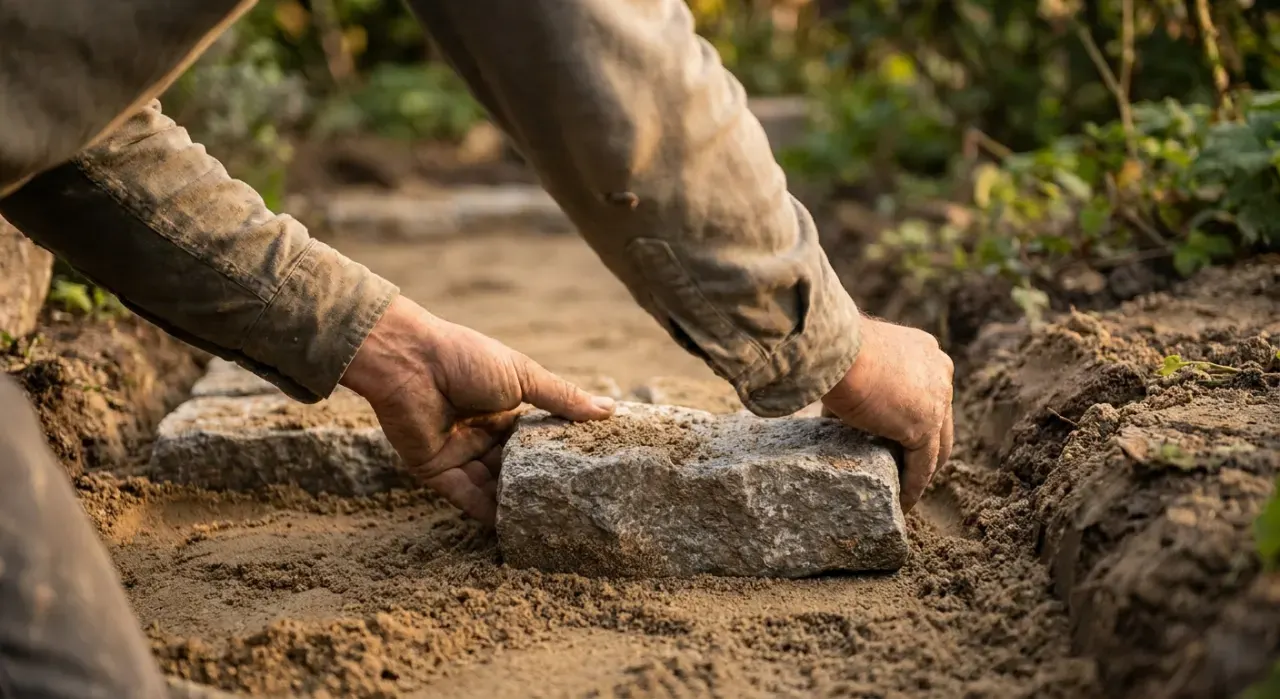
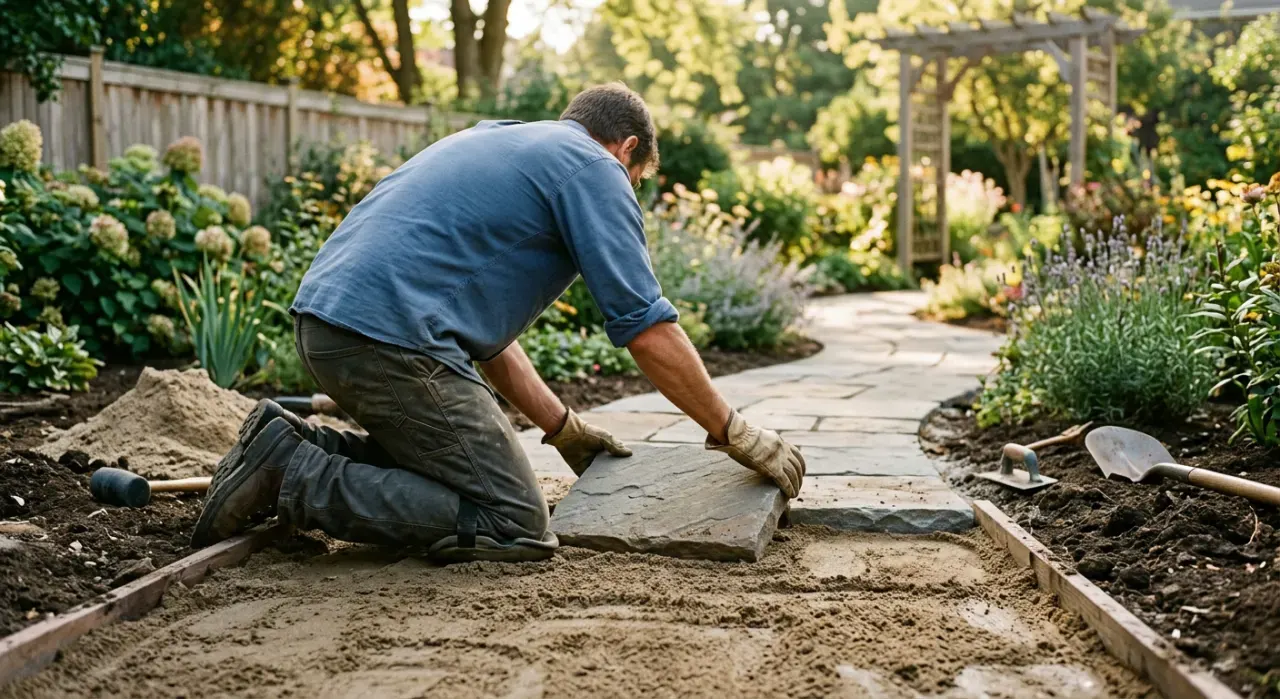
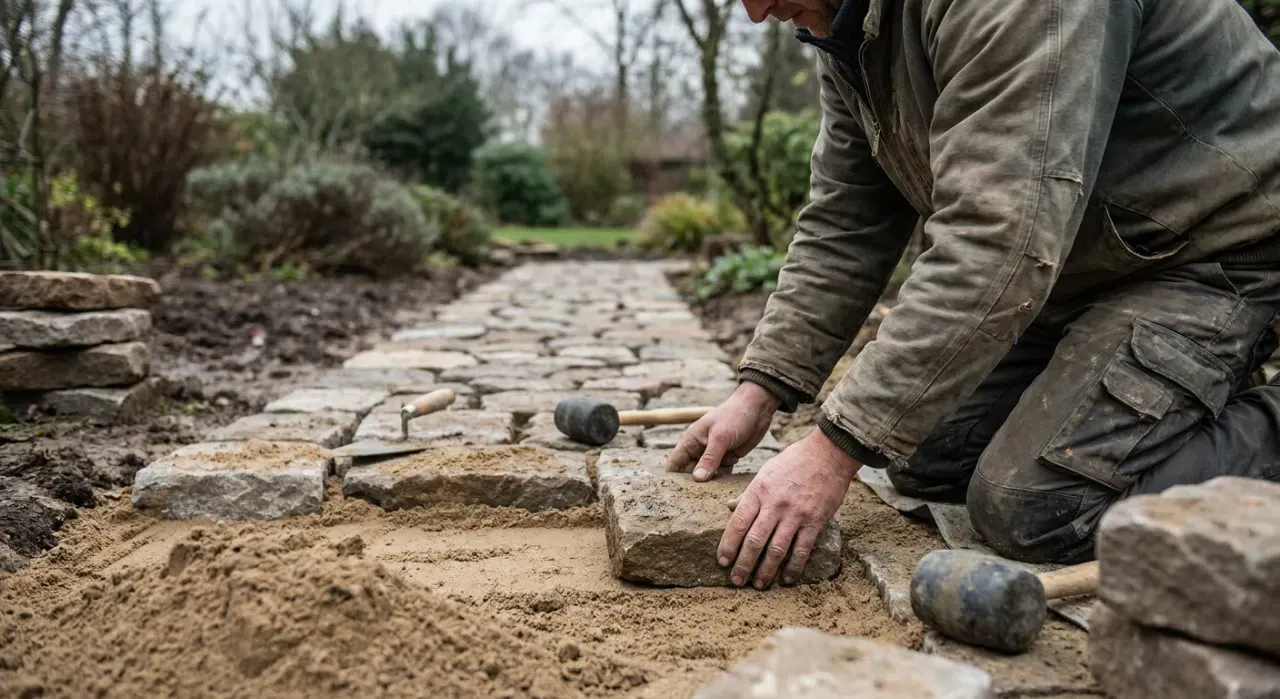
| Paver or flagstone base | Yes, under the base course | Prevents subgrade mixing; protected from UV |
| Stone-mulched shrub bed | Usually yes | No organic layer builds up |
| Bark or wood-chip planting bed | No | Mulch decomposes into a weed seed bed |
| Vegetable or annual bed | No | Constant replanting; soil health matters most |
| Slope with loose mulch | No | Mulch slides on the fabric surface |
What goes wrong in the first five years?
A predictable sequence. Year one looks excellent and almost no weeds appear. By year two, mulch has begun breaking down and a thin organic layer covers the fabric. By year three, weeds are established in that layer and their roots have knitted into the weave, so pulling them lifts and tears the fabric. Somewhere in years three to five, edges start appearing at the surface where mulch has thinned, the exposed material goes brittle in UV, and the bed becomes noticeably harder to work in because a spade or a bulb planter now meets plastic. Repairing it usually costs more effort than never installing it did.
What does it do to the soil?
It interrupts the cycle that makes a mulched bed improve over time. In an unfabric bed, mulch decomposes at the soil interface, earthworms and soil organisms pull that organic matter down, structure improves and water infiltrates better each year. A fabric layer physically separates the two, so the soil below receives little new organic matter and often becomes compacted and biologically poorer. That is the reasoning behind the advice from university extension horticulture programs to skip fabric in ornamental beds and rely on mulch depth instead.
What should you do instead?
Three inches of mulch, maintained. That depth blocks light from most annual weed seeds, which is the entire mechanism of any weed barrier, and it feeds the soil as it breaks down. Before mulching, remove perennial weeds by the root, since nothing short of removal stops bindweed, quackgrass or thistle. For a stubborn area, sheet mulch: lay overlapping cardboard, wet it thoroughly, and cover with 3 inches of mulch. It smothers existing growth, then disappears. Top up mulch annually to hold the depth, and expect a small amount of hand weeding, which takes minutes in a bed with no fabric and is miserable in one with fabric.
What else should you read?
For lifespan figures, see how long landscape fabric lasts and how long it lasts under gravel. If you are choosing a path surface, gravel versus mulch paths compares them. The consensus picks are in our best landscape fabric roundup, and bed boundaries are covered in the best landscape edging. More in the landscaping and hardscaping hub.