 Garden


Affiliate Disclosure
Some links on this page are affiliate links. As an Amazon Associate, we earn from qualifying purchases — at no extra cost to you. We do not buy, test, or physically handle the products we cover; our rankings come from aggregated owner reviews, ratings and expert consensus. Commissions never change our verdicts. How we rank · full disclosure.
A full 20-pound propane tank runs a typical gas grill for 18 to 20 hours — roughly 20 hour-long cookouts. The math is simple: a 20-pound cylinder is filled to 80 percent, holding about 4.6 gallons or 420,000 BTU. Divide that by the grill's total BTU-per-hour rating for the worst case with every burner on high. A 30,000 BTU two-burner gets about 14 hours; a 60,000 BTU four-burner gets about 7. Real cooking runs at partial output on medium, which is why most households land near 20 hours rather than the flat-out figure.
How long does a tank last on my size of grill?
Find your grill's total main-burner BTU rating on the spec sheet or the label under the lid, then read across. The two columns cover the extremes: every burner on high, and the more realistic pattern of two-thirds of the burners on medium.
| Grill size | Total BTU/hr | All burners on high | Typical real-world use |
|---|---|---|---|
| Portable / tabletop | 10,000–12,000 | 35–42 hrs | 50+ hrs |
| 2-burner | 26,000–30,000 | 14–16 hrs | 25–30 hrs |
| 3-burner | 30,000–40,000 | 10.5–14 hrs | 18–22 hrs |
| 4-burner | 48,000–60,000 | 7–8.75 hrs | 12–16 hrs |
| 5-burner or with side burner | 60,000–75,000 | 5.6–7 hrs | 10–13 hrs |
Burner count is one of the real trade-offs behind 2-burner versus 4-burner gas grills: the bigger cookbox is more flexible, but it eats propane on every preheat whether you use the whole surface or not.

What makes a tank empty faster than the math says?
Underfilling is the biggest offender. Exchange-program cylinders are frequently filled to 15 pounds rather than the 20 the tank can legally hold, which is a quarter of your run time gone before you light a burner; a refill at a propane dealer is usually cheaper per pound and filled to the full 80 percent. After that, technique: cooking on high with the lid up throws most of the heat into the sky, and preheating for 20 minutes when 10 would do costs a measurable share of the tank across a season. Cold weather lowers vapor pressure so the regulator delivers less gas, meaning longer preheats — the practical reason behind leaving a propane tank outside in winter.
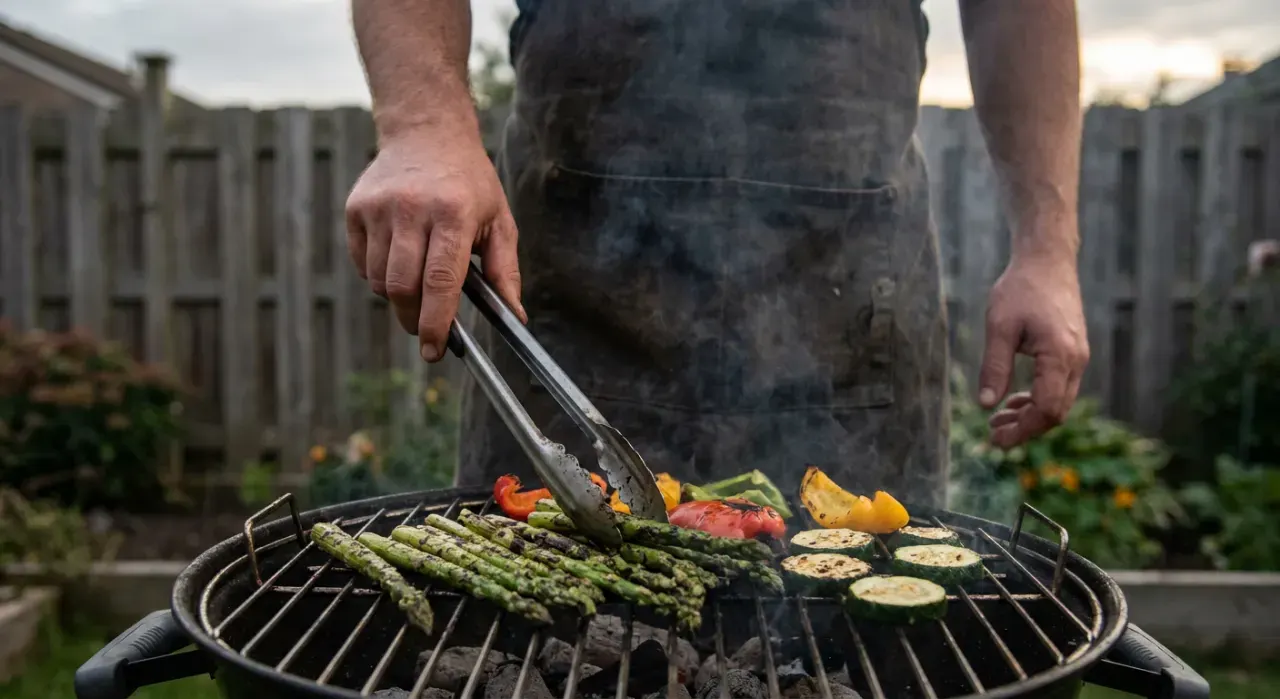
How do you rule out a leak?
Brush a 50/50 mix of dish soap and water onto the tank valve, the regulator coupling and the full length of the hose with the tank open and the burners off. Growing bubbles mean escaping gas. Close the valve, tighten or replace the fitting, and retest — never look for a propane leak with a flame. A slow leak at the coupling is easy to miss and will drain a cylinder in days while the grill sits idle. A grill that also struggles to reach temperature may have a tripped flow-limiting device rather than a leak, which is one of the checks in why a gas grill is not getting hot.
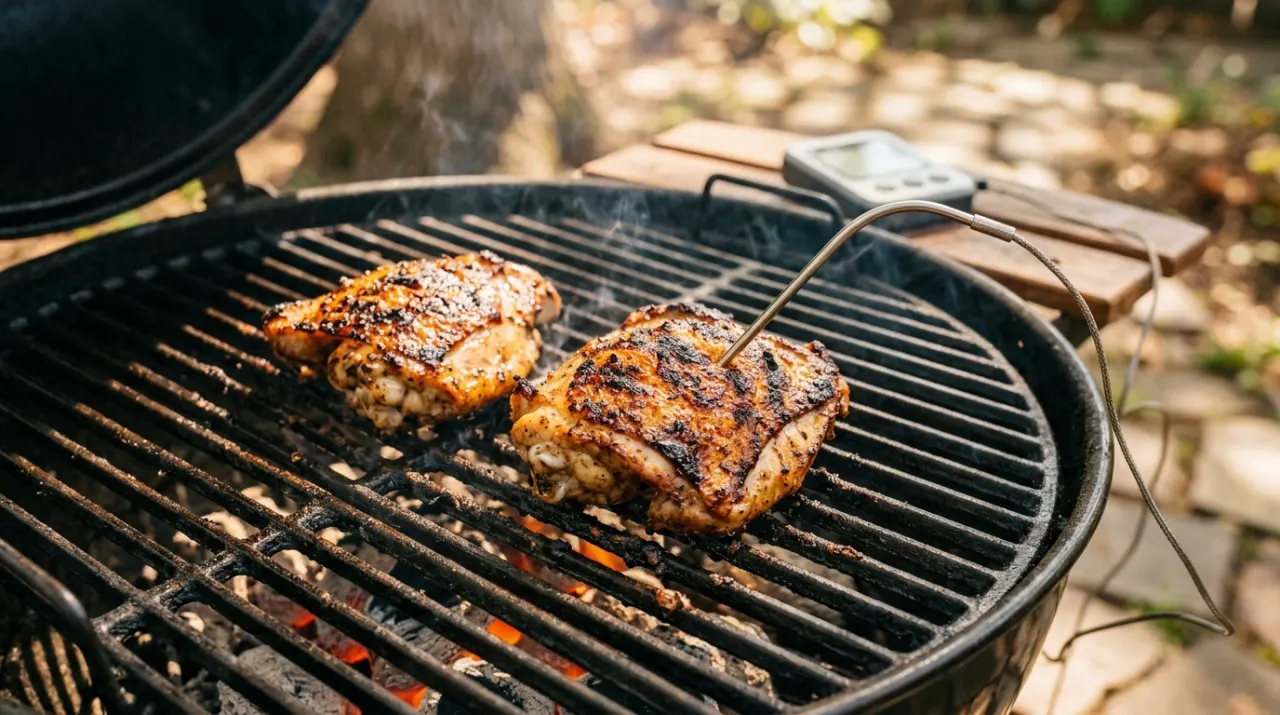
How do you tell how much is left?
Weight is the only accurate method. Every cylinder is stamped with a tare weight — the letters TW followed by a number, usually around 17 pounds for a standard 20-pounder. Put the tank on a bathroom scale, subtract the tare, and what remains is pounds of propane, each worth roughly 21,500 BTU. Inline gauges read pressure, not level, and pressure stays nearly constant until the tank is almost dry, which is why they mislead. The hot-water trick works in a pinch and is covered in telling if a propane tank is empty without a gauge.
We do not buy, test or physically handle any product on this site — figures here are derived from published propane energy content, manufacturer BTU ratings and aggregated owner reports. Storage guidance reflects NFPA 58. See how we rank.
More from this hub: Outdoor Living & Grills · Natural gas vs propane · How long a gas grill lasts · Best gas grills · How we rank