 Garden

Affiliate Disclosure
Some links on this page are affiliate links. As an Amazon Associate, we earn from qualifying purchases — at no extra cost to you. We do not buy, test, or physically handle the products we cover; our rankings come from aggregated owner reviews, ratings and expert consensus. Commissions never change our verdicts. How we rank · full disclosure.
Yes, you can paint over wallpaper — but only when it is smooth, firmly stuck, and not vinyl, peeling or heavily textured, and only after sealing it with an oil-based or shellac primer. The primer is non-negotiable: a water-based product soaks into the paper, reactivates the glue and causes bubbling and lifting seams. When the paper is loose, moldy, textured or multi-layered, strip it instead — painting over those problems locks them in. Done right, on sound smooth paper, a sealed and primed wall takes two topcoats and looks like plain drywall.
When is it OK to paint over wallpaper?
The paper has to pass a short checklist. If every answer is yes, painting over is reasonable; if any is no, lean toward stripping.
| Condition | Paint over | Strip instead |
|---|---|---|
| Adhesion | Firmly stuck, no lifting | Peeling, bubbling, loose seams |
| Surface | Smooth, flat | Heavily textured or embossed |
| Material | Standard paper | Vinyl, foil, glossy coated |
| Layers | Single layer | Multiple layers built up |
| Damage | Clean, dry | Mold, stains, water damage |
The reason to respect the checklist is that paint does not fix any of the failure conditions — it hides them briefly and then fails with them. Sealing over mold, for instance, traps moisture and lets it spread behind the paint, a close cousin of the problems in why paint peels off the wall.
Why does the primer have to be oil or shellac?
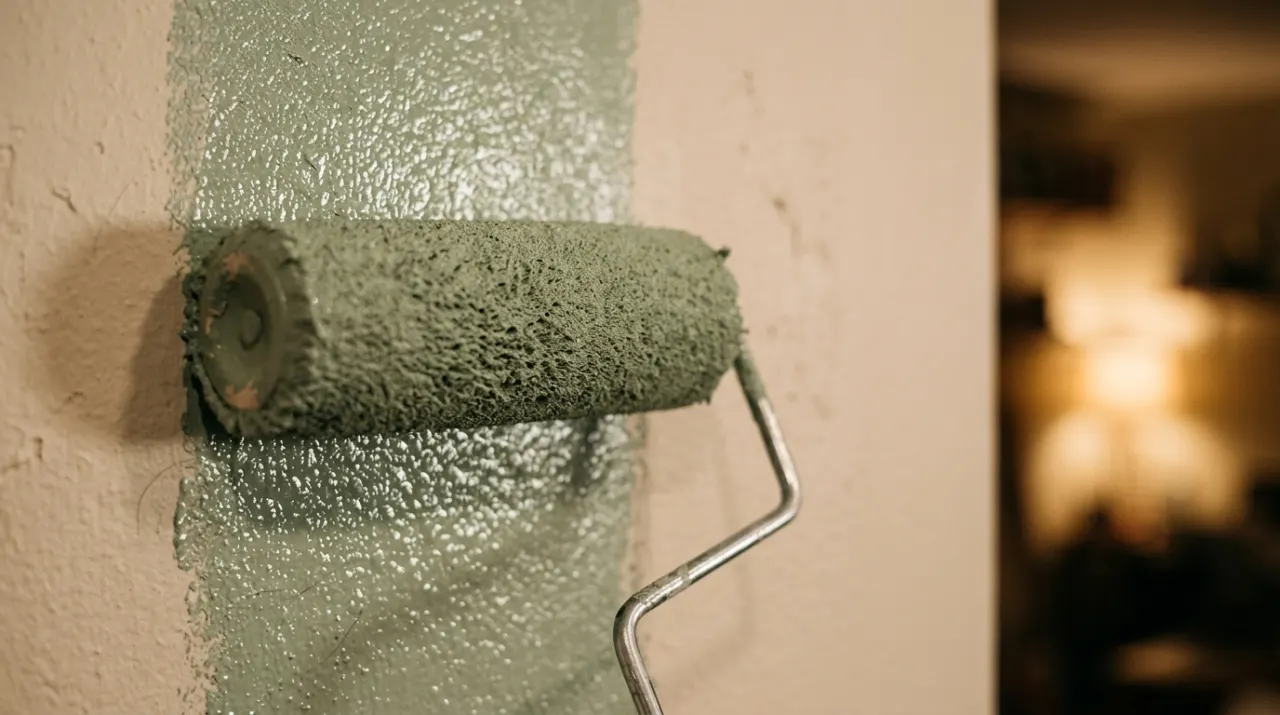
Because water is wallpaper adhesive's enemy. Wallpaper paste is water-activated, so rolling a water-based primer or paint over it re-wets the glue, the paper swells, and the seams lift and bubble — the classic failure. An oil-based or shellac primer carries no water to the paper, so it seals the surface without disturbing the adhesive, blocks any ink or pattern from bleeding through the topcoat, and gives your finish paint a stable base to bond to. Apply one full coat and let it dry completely before painting. This one step prevents the majority of paint-over-wallpaper failures.
After the primer is dry you can use ordinary water-based wall paint for the topcoats, because by then the paper is sealed. Two coats give even color and hide the primer.
How do I stop the seams and texture showing?
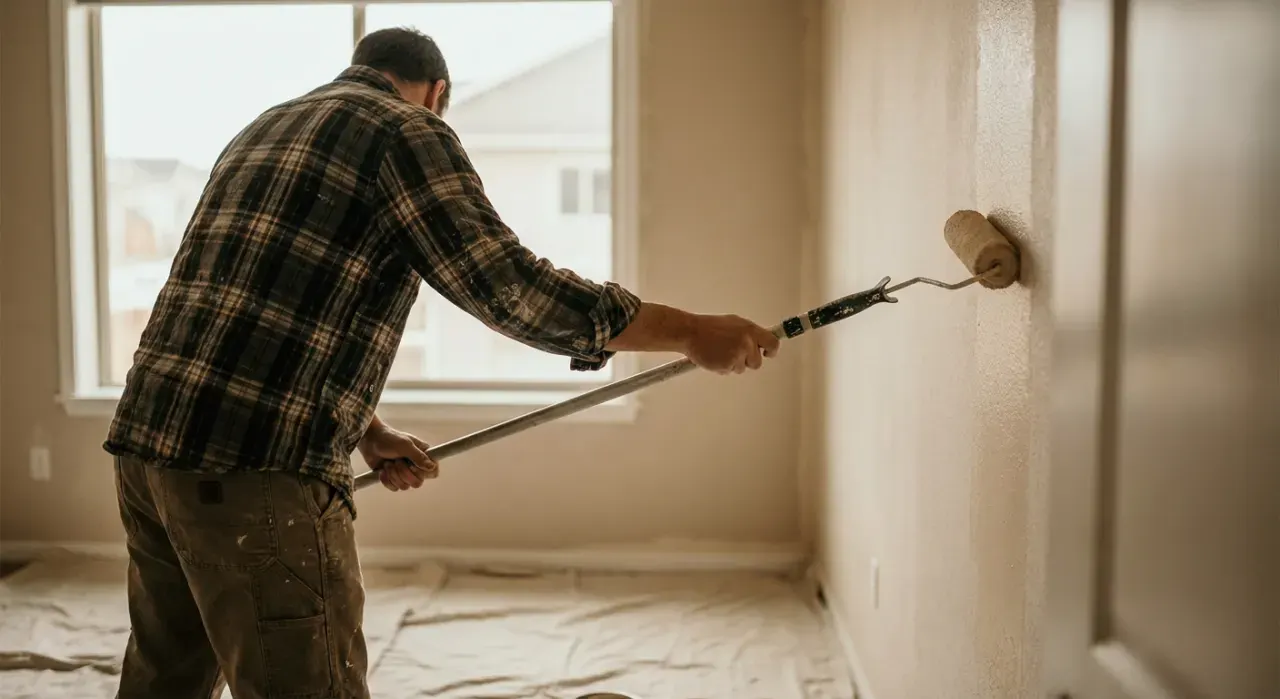
Paint reveals ridges rather than hiding them, so smooth them before you prime. Skim a thin layer of joint compound over the wallpaper seams, let it dry, and sand it flush — or at least sand the seam edges to feather the step down. For any spots of texture, the same skim-and-sand approach helps. Then choose a flat or matte finish, which scatters light and disguises small imperfections far better than eggshell or satin; the sheen differences are covered in eggshell versus satin. If the whole wall is textured wallpaper, no amount of skimming is practical and stripping is the right call.
What is the step-by-step?
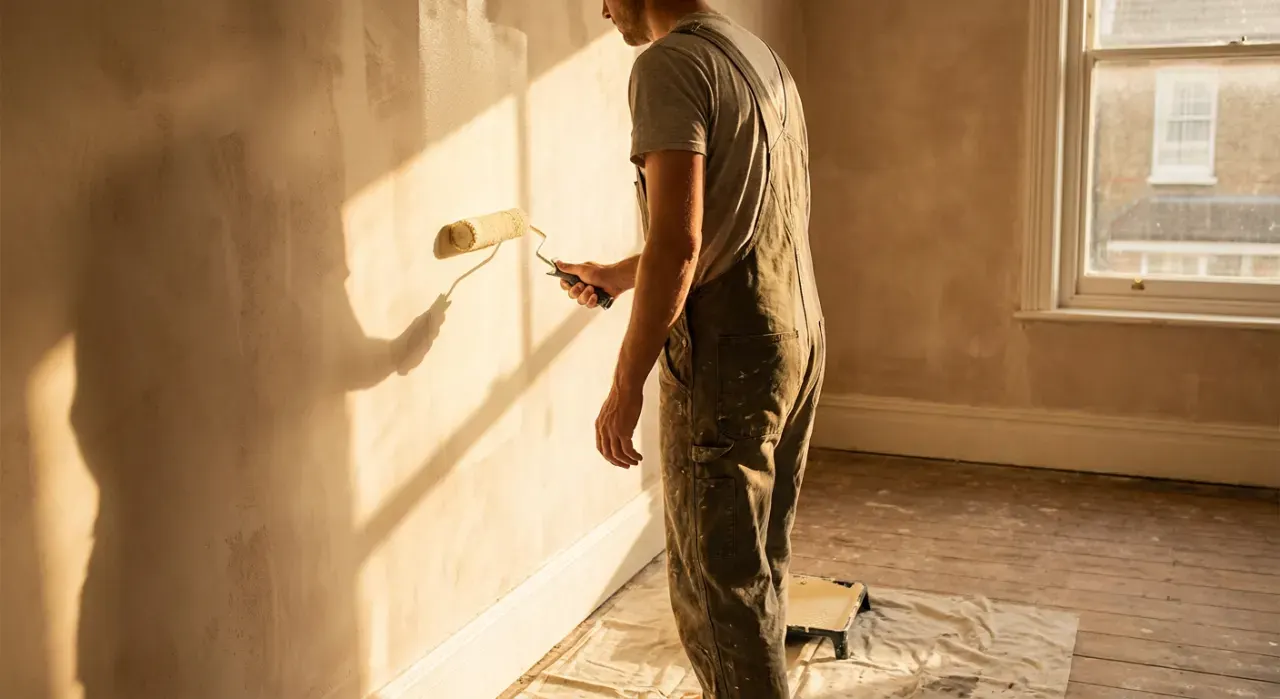
- Clean the wall with a damp — not wet — sponge and mild cleaner to remove grease and dust, then let it dry fully.
- Repair the seams. Glue down any small lifting edges, skim seams with joint compound, dry, and sand smooth.
- Prime with one coat of oil-based or shellac primer over the entire wall. Let it dry per the label.
- Caulk gaps at trim and corners if needed, once primed.
- Paint two coats of your finish, waiting the full recoat time between them — see waiting between coats.
One caution worth stating plainly: painting over wallpaper makes it much harder to strip later, because the paint layer resists the water and steam that would loosen the glue. Treat it as a semi-permanent decision, best reserved for paper that is genuinely sound and smooth. The right roller and primer make the job cleaner — see best paint rollers.
We never buy, test or physically handle the products we rank. Recommendations come from aggregated owner reviews, star ratings, review volume and expert consensus — see how we rank.
More from this hub: Paint & Walls · Best interior paint · Why paint peels · Eggshell vs satin · How we rank