 Garden


Affiliate Disclosure
Some links on this page are affiliate links. As an Amazon Associate, we earn from qualifying purchases — at no extra cost to you. We do not buy, test, or physically handle the products we cover; our rankings come from aggregated owner reviews, ratings and expert consensus. Commissions never change our verdicts. How we rank · full disclosure.
Both work. Pick picaridin for everyday use and DEET for the worst nights. At 20% strength picaridin protects for up to 12 hours against mosquitoes and ticks, on par with 25 to 30% DEET, and both appear on the CDC's list of effective actives in EPA-registered repellents. The tiebreakers are practical: picaridin is odorless, non-greasy and does not damage plastics, synthetics or fishing line, while DEET is cheaper, stocked everywhere and has decades more published data behind it.
If you want the shortlist rather than the chemistry, our best mosquito repellent guide ranks the specific bottles in both camps.
How do they compare head to head?
The two actives solve the same problem by slightly different means. DEET, developed for the U.S. Army in the 1940s and available to the public since 1957, is the most-studied repellent chemistry in existence. Picaridin, a synthetic modeled on a compound found in the pepper plant, has been used in Europe and Australia since the late 1990s and in the United States since 2005. Neither repels by killing; both interfere with a mosquito's ability to locate you.
| Factor | DEET | Picaridin |
|---|---|---|
| Typical strengths sold | 7% – 100% | 10% or 20% |
| Protection window (label) | ~2 hrs at 10%, up to 8 hrs at 25–30% | ~3–5 hrs at 10%, up to 12 hrs at 20% |
| Ticks | Effective | Effective |
| Odor | Distinct, often disliked | Near-odorless |
| Skin feel | Oily film | Dry, light |
| Damages plastics / synthetics | Yes | No |
| Cost per ounce | Lower | Higher |
| Availability | Every drugstore | Outdoor stores, online, larger pharmacies |
| Research record | Longest of any active | Shorter but consistently favorable |
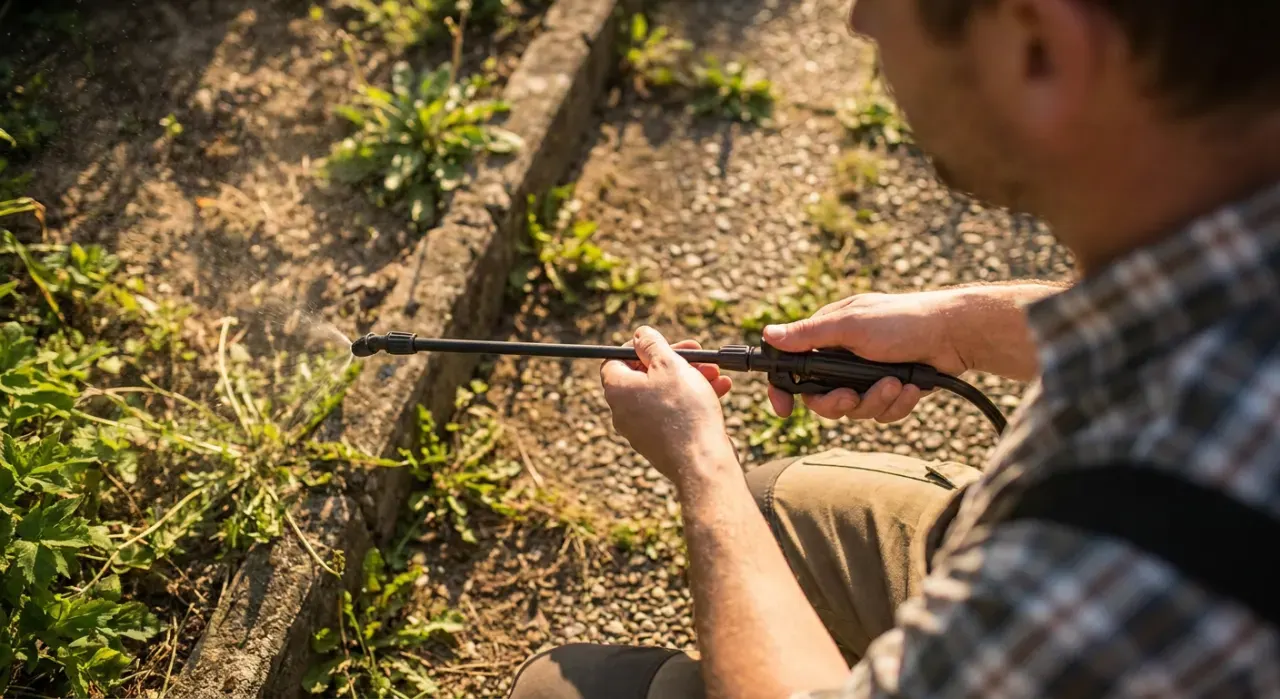
The plastic problem is the real dividing line
Ask anyone who fishes, paddles or hikes in technical fabric and this is the first thing they will raise. DEET behaves as a plasticizer: it softens and clouds polycarbonate and some other plastics on contact. In practice that means hazed sunglass lenses, a permanently fogged watch crystal, a tacky patch on a phone case, weakened monofilament fishing line, and stripped color on painted gear. It does not do this to your skin — it does it to your equipment, usually a while after you have forgotten you sprayed.
Picaridin has no such effect. For a lot of households that one difference outweighs everything else on the table, because it removes a category of small, avoidable annoyance from every summer. If your repellent lives in a tackle box or a camera bag, buy picaridin.
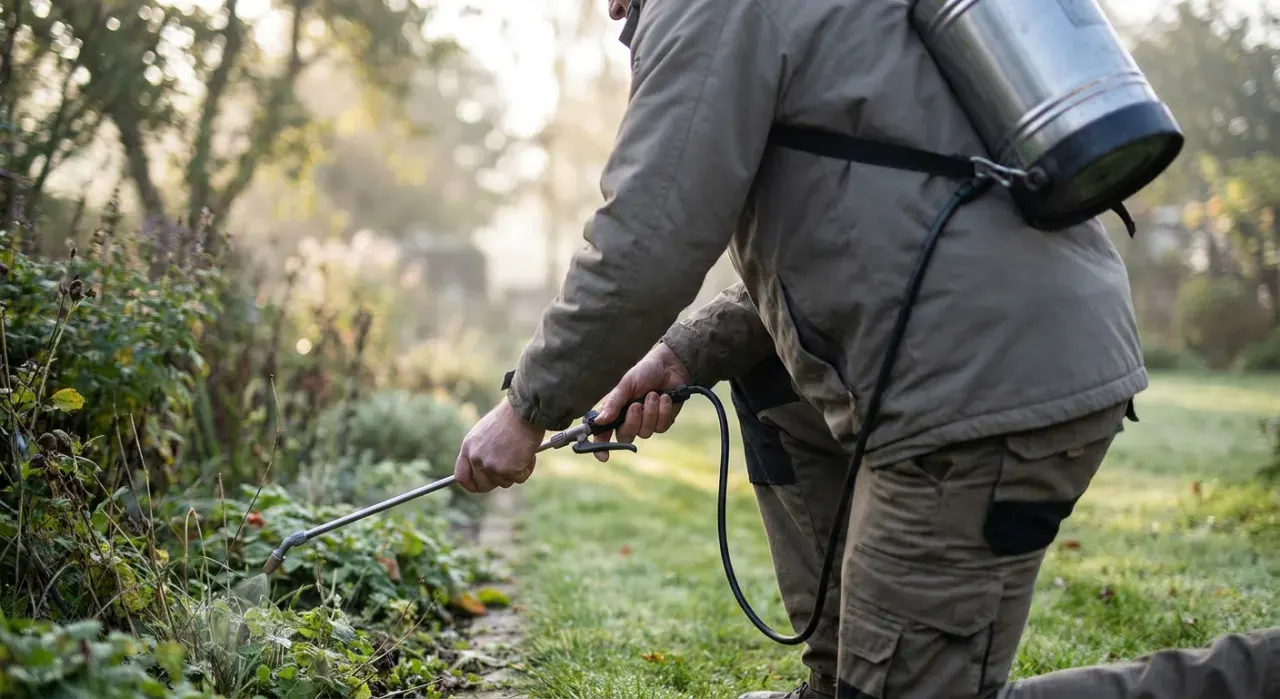
Is one safer than the other?
Neither has a safety record that should worry a normal user, and both are registered pesticides reviewed by the EPA. The EPA's position on DEET is that it does not present a health concern to the general population when used according to the label, and picaridin's regulatory record is similarly clean. Reported problems in both cases cluster around misuse: spraying under clothing, applying to broken skin, or spraying directly at the face.
Where there is a practical difference, it is comfort. Picaridin draws far fewer complaints about eye stinging and skin irritation, which matters most with children who rub their faces. For infants, neither active is used below two months of age; below that, mosquito netting over a carrier is the recommended approach. And note the contrast with the plant-based option: the CDC advises against oil of lemon eucalyptus and PMD for children under three, but sets no equivalent restriction on picaridin.
Whichever you choose, the label is the law. Under FIFRA, using a registered pesticide — and repellents are registered pesticides — in a manner inconsistent with its labeling is a federal violation. That includes strength, frequency, where on the body it may be applied, and age restrictions. The EPA's guidance on pesticide labels is explicit on the point.
Which should you buy for which situation?
| Situation | Better choice | Why |
|---|---|---|
| Everyday yard work, evening walks | 20% picaridin | All-day window, no smell, no gear damage |
| Fishing, boating, technical fabric | 20% picaridin | DEET degrades line, lenses and synthetics |
| Severe swarms, swamp edges, dusk in the woods | 25–30% DEET | The longest track record under extreme pressure |
| Kids old enough for repellent | Picaridin | Less irritation, no under-3 restriction |
| Tick country | Either, plus permethrin on clothing | Skin repellent alone is the weaker half of the plan |
| Cheapest workable option | DEET | Lower cost per ounce, sold everywhere |
| Sitting still on a patio | Neither — a zone repeller | Treats the air instead of your skin |

The two bottles worth buying
If you have read this far and just want the answer, these are the two that the owner-review consensus lands on in each chemistry.
- Picaridin: Sawyer Products SP543 Premium Insect Repellent, 20% picaridin pump spray (paid link) — the default recommendation, cheap for the chemistry and consistently well rated.
- DEET: OFF! Deep Woods 25% DEET aerosol (paid link) — the benchmark, stocked in every drugstore in America.
Both are affiliate links; buying through them earns us a small commission at no cost to you and never changes a ranking. We do not buy or wear the products we cover — see how we rank.
What neither one does
Neither active reduces the number of mosquitoes in your yard. A repellent hides you; it does not remove the population, and the population is what makes a backyard unusable. The single highest-return action is eliminating standing water, because a mosquito needs remarkably little of it to breed — a bottle cap's worth is enough for eggs. The CDC recommends a weekly pass to empty, scrub, cover or throw out anything holding water. Do that first, then treat the air on the patio, then put something on your skin.
Read next: how to get rid of mosquitoes in the yard · best tick repellent · what attracts mosquitoes · pest & weed control hub · how we rank.