 Garden


Affiliate Disclosure
Some links on this page are affiliate links. As an Amazon Associate, we earn from qualifying purchases — at no extra cost to you. We do not buy, test, or physically handle the products we cover; our rankings come from aggregated owner reviews, ratings and expert consensus. Commissions never change our verdicts. How we rank · full disclosure.
The short answer: to get rid of cabbage worms, spray the caterpillars with Bt (Bacillus thuringiensis), a naturally occurring bacterium that kills them within days and is harmless to people, pets, and beneficial insects, and handpick any you can find off the leaves. To stop them coming back, cover your brassicas with floating row cover from planting day so the white butterflies and moths cannot lay eggs on them. Scout the undersides of leaves regularly, follow the droppings to find the well-camouflaged caterpillars, and reapply Bt every 5 to 7 days and after rain.
Cabbage worms are the green caterpillars that riddle cabbage, broccoli, kale, cauliflower, Brussels sprouts, and other brassicas with ragged holes and bore into the heads. The term covers two look-alikes with the same fix: the imported cabbageworm (larva of the familiar white cabbage butterfly) and the cabbage looper (larva of a night moth), which loops like an inchworm. We do not test products first-hand; this guidance reflects horticultural and university-extension consensus, described in how we rank.
Confirm it is cabbage worms
The signs are distinctive on brassica crops:
- Large, ragged holes chewed through leaves, and tunneling into cabbage and broccoli heads.
- Velvety green caterpillars resting along leaf midribs and undersides — imported cabbageworms are green with faint yellow stripes; loopers arch into a loop as they crawl.
- Dark green droppings (frass) on lower leaves and in the heads — often the first thing you notice.
- White or mottled-brown butterflies and moths fluttering around the plants, laying eggs.
You do not need to distinguish the species; the University of Minnesota Extension and others note that Bt and cultural controls work on all the common brassica caterpillars. If the caterpillars are large, horned, and on tomatoes rather than brassicas, see how to get rid of tomato hornworms instead.

The life cycle you are interrupting
The adult butterflies and moths lay eggs — singly or in small clusters — on the leaves of brassica plants. The eggs hatch in about a week into small caterpillars that feed and grow for two to three weeks, then pupate, with several overlapping generations through the growing season. Because the adults are constantly re-laying eggs, brassicas face continuous pressure all season, which is why exclusion (row covers) is so valuable and why Bt has to be reapplied — you are dealing with wave after wave rather than one hatch.
Row covers: the best prevention
The most effective control is to stop the butterflies laying eggs at all. Floating row cover — a lightweight fabric laid over the plants and sealed at the edges with soil, boards, or pins — physically excludes the adults from the day you plant. Because brassicas do not need insect pollination, you can leave the cover on the whole season. Support it on hoops so it does not crush the plants, and check that no butterflies got trapped underneath. This single measure, applied from planting, can keep a brassica crop essentially worm-free without any spraying.

Bt: the go-to spray for cabbage worms
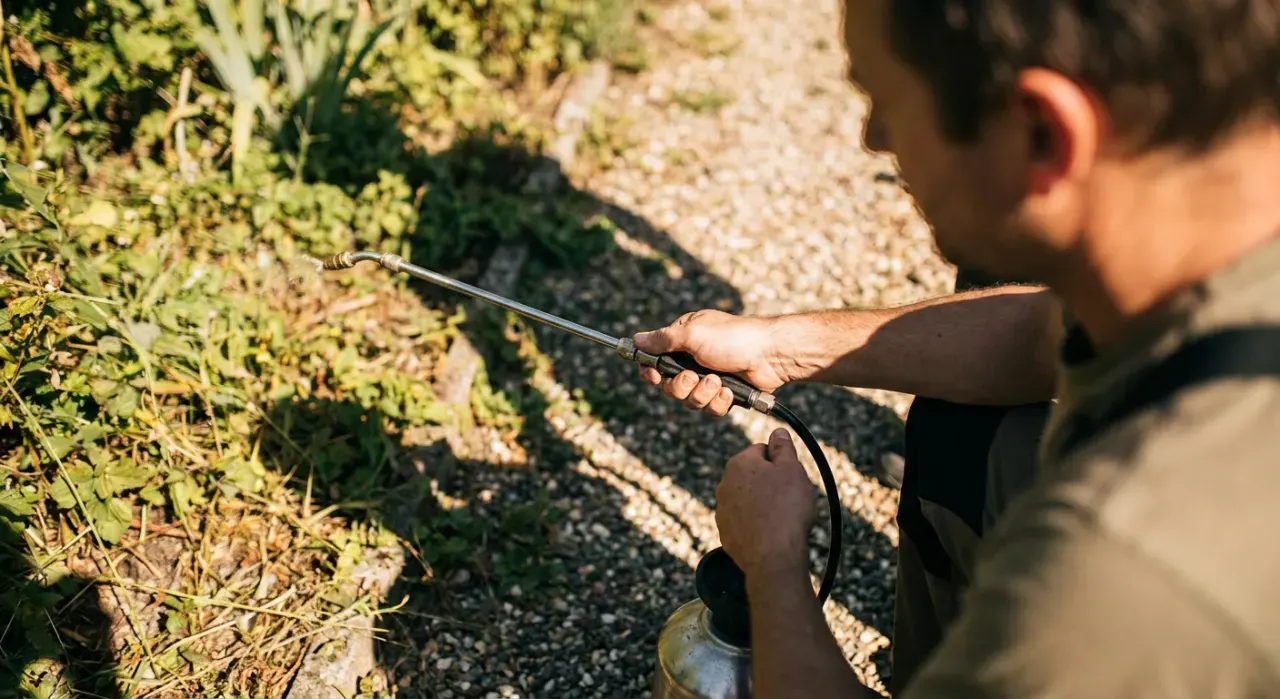
When caterpillars are already present, Bt is the standard organic control.
- Use Bt var. kurstaki, mixed per the label.
- Spray tops and undersides of the leaves, where caterpillars feed and rest.
- Target young caterpillars, which are far more susceptible than large ones.
- Reapply every 5 to 7 days and after rain, since Bt breaks down in sunlight and washes off.
Bt is selective — it affects only caterpillars that eat it and is considered safe for humans, pets, bees, and other beneficials, which is why it is a mainstay of organic vegetable growing. Spinosad is another effective, low-toxicity option; apply it in the evening to protect foraging bees. For broad-spectrum products used on serious infestations, see best yard insect killer, though for a food crop the selective options above are usually the better choice.
Handpicking and monitoring for cabbage worms
On a small planting, handpicking is quick and effective. Check every few days, turning leaves over and following the frass trail up to the caterpillar. Drop the worms into soapy water or feed them to chickens. Crushing the yellow eggs on leaf undersides as you find them prevents the next batch. Regular scouting is what keeps cabbage worms from ever building to damaging numbers, so make it a habit during the growing season.
Natural allies and companion tactics
Cabbage worms have natural enemies worth encouraging. Parasitic wasps (such as Cotesia and Trichogramma) attack the caterpillars and eggs, and paper wasps, birds, and predatory beetles all take a toll. Planting small-flowered nectar sources like sweet alyssum and dill supports these beneficials. Some gardeners interplant aromatic herbs and use decoy butterflies, though evidence for repellent companions is weak; rely on row covers, Bt, and beneficials for real control. Avoid broad-spectrum insecticides that wipe out the parasitic wasps keeping the pest in check.
Preventing cabbage worms next season
- Use row covers from planting day — the most dependable single measure.
- Scout the undersides of leaves for eggs and small caterpillars, and act early.
- Keep Bt on hand and apply at the first sign of feeding, reapplying on schedule.
- Rotate brassica crops and clean up spent plants, which harbor pupae.
- Support parasitic wasps and other beneficials with nectar plants and by avoiding harsh sprays.
With row covers up and Bt in reserve, brassicas stay clean and productive. For other vegetable-garden caterpillars and pests see how to get rid of cutworms and how to get rid of flea beetles, and browse the full pest and weed control hub.