 Garden
Affiliate Disclosure
Some links on this page are affiliate links. As an Amazon Associate, we earn from qualifying purchases — at no extra cost to you. We do not buy, test, or physically handle the products we cover; our rankings come from aggregated owner reviews, ratings and expert consensus. Commissions never change our verdicts. How we rank · full disclosure.
The short answer: to get rid of mealybugs, first dab every visible insect with a cotton swab soaked in 70 percent isopropyl (rubbing) alcohol, which kills them on contact by dissolving their waxy coating, then spray the entire plant — tops and undersides of leaves, stems, and every leaf joint — with insecticidal soap or neem oil. Repeat the whole-plant spray every 5 to 7 days for at least three to four weeks. The repetition is the part that actually works, because it kills each new generation as the eggs hatch. Isolate the plant from your others while you treat it.
Mealybugs are small, soft-bodied sap-sucking insects that hide under a white, cottony wax that makes a cluster look like tiny bits of lint or cotton wool tucked into leaf joints. They are among the most common houseplant pests and one of the most persistent, because that waxy shield protects them from many sprays and because they breed continuously indoors. We do not test products first-hand; our guidance reflects horticultural and university-extension consensus, explained in how we rank.
Confirm it is mealybugs
Correct identification matters, because the fix differs from, say, whiteflies or scale. Look for these signs:
- Cottony white masses in leaf axils (where the leaf meets the stem), on leaf undersides, and along stems. Individual insects are about 1/16 to 1/4 inch, oval, soft, and covered in white wax.
- Sticky honeydew on leaves and on surfaces below the plant — a clear, sticky residue that often turns into black sooty mold.
- Yellowing, curling, or stunted leaves and general decline as the insects drain sap.
- Ants traveling up and down the plant; ants farm mealybugs for their honeydew and protect them from predators.
The University of California Statewide IPM Program notes that mealybugs are especially problematic on houseplants and in greenhouses where warm, stable conditions let them breed year-round. If the waxy specks are hard, immobile, and dome-shaped rather than fluffy, you are likely dealing with scale instead — see how to get rid of scale insects.
The life cycle that makes them so stubborn
Understanding the cycle is what tells you why one spray never works. A female mealybug lays 300 to 600 eggs in a protective cottony sac, then dies. The eggs hatch in about 1 to 2 weeks into tiny mobile nymphs called crawlers, which are the stage most vulnerable to treatment and the stage that spreads to new plants. Crawlers settle, feed, and mature over roughly 6 to 10 weeks, and generations overlap so that at any moment you have eggs, crawlers, and adults present at once.
Because most contact sprays kill crawlers and adults but not the protected eggs, a single application leaves the next generation to hatch and rebuild the population. That is the entire reason the treatment schedule below runs for several weeks: you are outlasting the egg supply, not winning in one shot.
Step One: Isolate the Mealybug-Infested Plant
- Move the infested plant away from all other plants immediately. Mealybugs crawl and spread, and honeydew attracts ants that carry them farther.
- Prune out the worst. If whole stems or leaves are heavily encrusted, cut them off and bag them. Removing the densest colonies gives every later treatment a head start.
- Wipe down the pot and saucer, and check the rim and drainage holes, where mealybugs and egg sacs hide.
- Rinse the plant in the sink or shower with a firm spray of lukewarm water to knock off as many insects as possible before you treat.
Step two: spot-kill with rubbing alcohol
For light to moderate infestations on houseplants, 70 percent isopropyl alcohol is the go-to first strike. Dip a cotton swab or cotton ball and touch every visible mealybug and cottony mass; the alcohol dissolves the wax and kills the insect on contact, and you will see the white fluff collapse. Reach into every leaf axil and under every leaf. Alcohol evaporates quickly and is gentle on most sturdy foliage, but test one leaf first on thin-leaved or fuzzy plants, and never apply it to a plant sitting in direct sun. This step targets the insects you can see; it does not reach eggs, which is why the next step matters.
Step Three: Spray the Whole Plant for Mealybugs, Then Repeat
Whole-plant sprays reach the crawlers and adults you missed and, over repeated applications, break the egg cycle. Two well-established options:
| Treatment | How it works | How to use it |
|---|---|---|
| Insecticidal soap | Disrupts the insect cell membranes on contact; low toxicity | Spray to thoroughly wet all surfaces, especially undersides and joints; repeat every 5 to 7 days |
| Neem oil (or horticultural oil) | Smothers insects and disrupts feeding and development | Mix per label, coat the whole plant, repeat weekly; apply out of direct sun to avoid leaf burn |
| 70 percent alcohol spray (diluted) | Contact kill by dissolving wax | Some gardeners dilute alcohol into a light soap spray; always test on one leaf first |
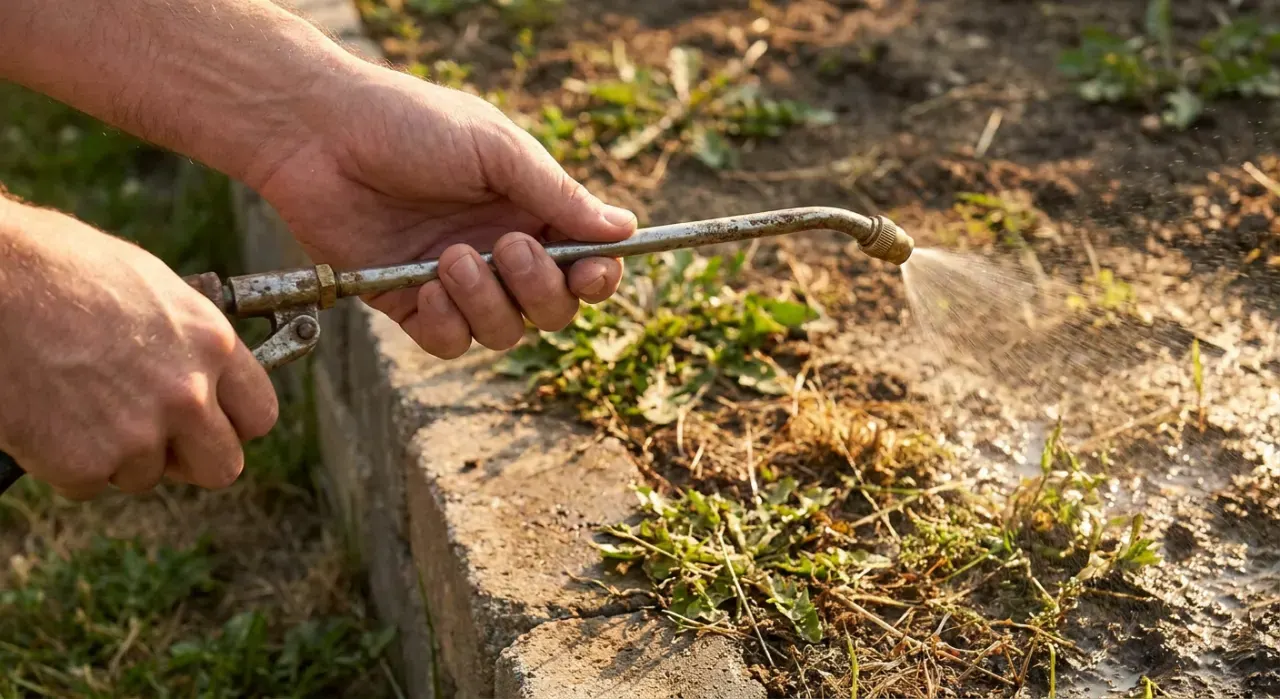
Whichever you choose, coverage is everything — mealybugs hide, so a hurried spray of the leaf tops does almost nothing. Wet the undersides, the stems, and every leaf joint until the plant is dripping. Then mark your calendar and do it again in 5 to 7 days, and keep going for at least three to four weeks after you last see a live insect. For persistent outdoor or ornamental infestations, a broad insecticide labeled for the pest is an option; our picks are in best yard insect killer.
Root mealybugs and heavy infestations
If a plant keeps declining despite clean foliage, unpot it and look at the roots. Root mealybugs appear as white, waxy specks on the roots and the inside of the pot, and no foliar spray will reach them. The reliable cure is to bare-root the plant, rinse every trace of soil off the roots, discard all the old mix, and repot into fresh soil in a clean or new pot. On a valuable plant, a soil drench with a systemic insecticide labeled for mealybugs adds insurance. Fresh potting mix is worth using for the repot; options are in best potting mix for houseplants.
Natural and biological controls
Outdoors and in greenhouses, biological control can carry the load. The mealybug destroyer (Cryptolaemus montrouzieri), a small lady beetle whose larvae look, ironically, like large mealybugs, is a commercially available predator that the University of California IPM program lists as an effective natural enemy. Lacewings and parasitic wasps also help. Controlling ants is part of natural control too, because ants actively protect mealybugs from these predators in exchange for honeydew. For plant-based approaches to related sap-suckers, see does dish soap kill aphids.
Preventing the Next Mealybug Outbreak
- Quarantine new plants for two weeks and inspect leaf joints and undersides before placing them near your collection. Most infestations arrive on a new plant.
- Inspect regularly. Check the vulnerable spots — leaf axils, undersides, new growth — every week or two so you catch a colony while it is small and a swab still handles it.
- Do not over-fertilize. Excess nitrogen pushes soft new growth that mealybugs favor.
- Control ants, which shuttle and shelter mealybugs.
- Wipe leaves occasionally; the physical disturbance and clean surface make the plant less hospitable.
Mealybugs are beatable, but only with patience — the schedule matters more than the product. For related pests see how to get rid of aphids and how to get rid of spider mites on plants, and browse the full pest and weed control hub.