 Garden

Affiliate Disclosure
Some links on this page are affiliate links. As an Amazon Associate, we earn from qualifying purchases — at no extra cost to you. We do not buy, test, or physically handle the products we cover; our rankings come from aggregated owner reviews, ratings and expert consensus. Commissions never change our verdicts. How we rank · full disclosure.
The short answer: to get rid of scale insects, scrape the bumps off with a fingernail, toothbrush, or an alcohol-dipped cotton swab, then spray the whole plant with horticultural oil or neem oil to smother the survivors, and repeat every one to two weeks for several weeks to kill each new batch of crawlers as it hatches. Isolate the plant while you treat it, prune out heavily encrusted stems, and control any ants, which farm and protect scale. The repetition is essential because the adult scale’s protective armor shrugs off most sprays — only the tiny mobile crawler stage is truly vulnerable.
Scale insects are small sap-suckers that look less like insects and more like raised bumps, blisters, or waxy scabs stuck to stems and leaf undersides. They come in two broad groups: armored scales, which have a hard separate cover, and soft scales, which have a waxy body and excrete sticky honeydew. Both weaken plants by draining sap. We do not test products first-hand; this guidance reflects horticultural and university-extension consensus, described in how we rank.
Confirm It Is Scale Insects
Scale is easy to overlook because it does not move and looks like part of the plant. Watch for:
- Small, immobile bumps — round, oval, or oyster-shaped — on stems, leaf undersides, and along leaf veins, in brown, tan, black, or white.
- Sticky honeydew and black sooty mold on leaves and surfaces below (soft scales only).
- Yellowing leaves, leaf drop, and dieback as feeding drains the plant.
- Ants traveling the plant, tending the scale for honeydew.
The University of California IPM program notes that scales are frequently mistaken for a disease or for a normal part of the bark because of their stationary, crusty appearance. If the bumps are fluffy and white rather than hard, you likely have mealybugs, a close relative — see how to get rid of mealybugs.
The crawler stage is the key
Scale control lives or dies on timing, and timing is about the crawler. Eggs hatch beneath or near the adult into tiny, mobile nymphs called crawlers, which walk (or drift on the wind) to a feeding site, insert their mouthparts, settle permanently, and begin forming their protective cover. Once covered, the adult is heavily shielded from contact sprays. The crawler, before it settles, is exposed and easy to kill. Because generations overlap and crawlers emerge over a period, no single spray catches them all, which is why the treatment schedule runs across several weeks — you are covering each successive wave of crawlers.
Step one: scrape and prune
- Isolate the plant from your others; scale spreads as crawlers.
- Prune out heavily encrusted stems and leaves and bag them — removing dense colonies gives every treatment a head start.
- Scrape off remaining bumps with a fingernail, a soft old toothbrush, or a cotton swab dipped in 70 percent rubbing alcohol, which also dissolves the wax and kills on contact.
- Wipe down leaves and stems to remove honeydew and sooty mold, which improves the plant’s health and helps you see remaining scale.
Step Two: Oil Sprays for Scale Insects, Then Repeat
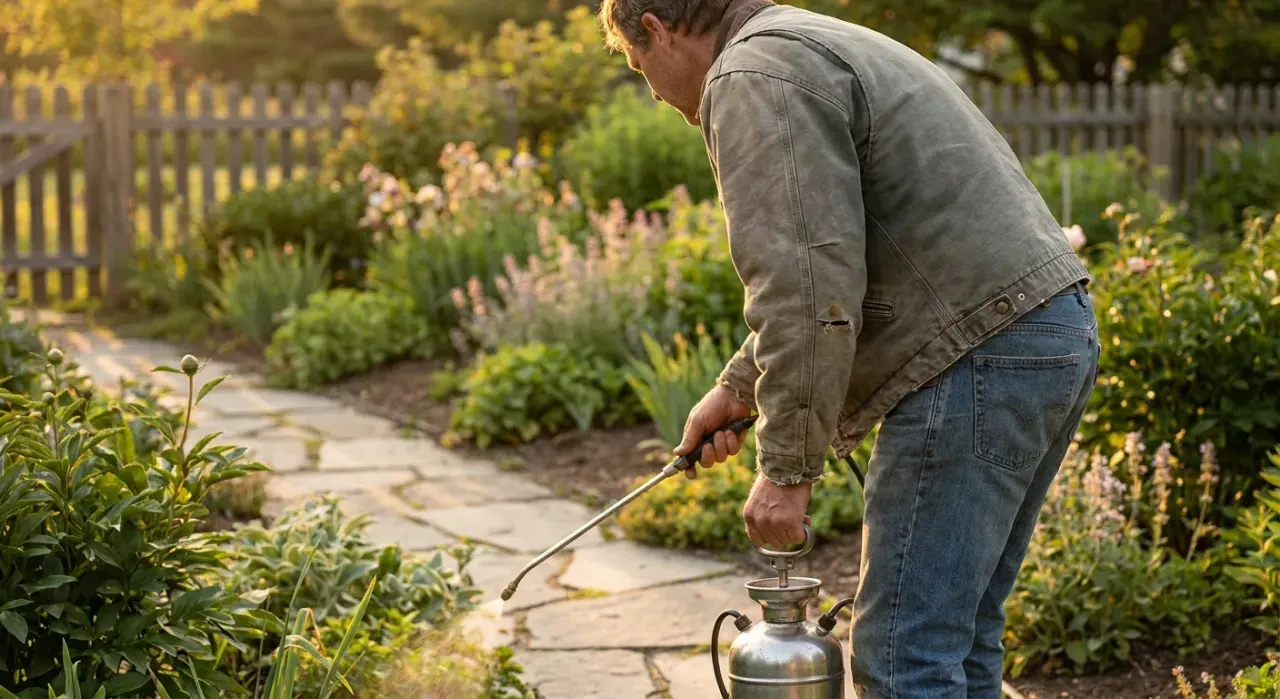
Oils are the backbone of scale control because they can penetrate the waxy covering and smother the insect, and they hit crawlers hard.
| Treatment | How it works | How to use it |
|---|---|---|
| Horticultural oil | Smothers scale and crawlers under a thin film | Coat the whole plant; repeat every 1 to 2 weeks; avoid heat and direct sun |
| Neem oil | Smothers, disrupts development, deters settling | Coat thoroughly; repeat weekly to fortnightly |
| Insecticidal soap | Contact kill of crawlers and soft scales | Best timed to crawler emergence; repeat |
| 70 percent alcohol swab | Contact kill and wax removal | Spot treatment for visible adults; pair with oil |
Coverage of stems and leaf undersides is essential, and so is repetition — treat every one to two weeks for several weeks to catch emerging crawlers. Timing sprays to crawler activity (often late spring to early summer outdoors) dramatically improves results. For persistent infestations on valued ornamentals, a systemic insecticide labeled for scale delivers control through the plant’s sap; for broad-spectrum garden products see best yard insect killer.
Deal with the ants
If ants are farming soft scale for honeydew, they will actively protect it from the lady beetles, parasitic wasps, and lacewings that would otherwise keep scale in check. Controlling the ants — with bait stations or a sticky barrier band around a trunk or stem — lets those natural enemies do their work and makes your sprays far more effective. This is one of the most overlooked steps in scale control, and on outdoor trees and shrubs it can be decisive.
Biological control outdoors
In gardens and landscapes, scale has many natural enemies. Lady beetles (including the specialized twice-stabbed lady beetle), parasitic wasps, and lacewings all attack scale, and on established trees these predators often hold scale below damaging levels on their own if you avoid broad-spectrum insecticides that kill them. Protecting beneficials and controlling ants is frequently a more durable strategy for outdoor scale than repeated spraying.
Preventing Scale Insects
- Quarantine and inspect new plants for two weeks, checking stems and leaf undersides — most indoor infestations arrive this way.
- Scout regularly so you catch scale while it is light and scraping still handles it.
- Keep plants healthy but not over-fertilized, since excess nitrogen and stressed plants both favor scale.
- Control ants to let natural enemies work.
- Prune and dispose of infested wood rather than leaving it as a reservoir.
Scale rewards patience and punishes a single spray. For its close relatives and other sap-suckers see how to get rid of aphids and how to get rid of whiteflies, and browse the full pest and weed control hub.