 Garden

Affiliate Disclosure
Some links on this page are affiliate links. As an Amazon Associate, we earn from qualifying purchases — at no extra cost to you. We do not buy, test, or physically handle the products we cover; our rankings come from aggregated owner reviews, ratings and expert consensus. Commissions never change our verdicts. How we rank · full disclosure.
The verdict. Spectracide Weed Stop For Lawns Plus Crabgrass Killer is a competent four-way broadleaf and crabgrass spray sold in the most expensive format there is. Its 4.0-star average is the lowest in this hub for a reason: the chemistry works, and the trigger sprayer, the coverage-per-gallon and the grass restrictions generate a steady stream of legitimate one-star reviews. Buy it for spot-treating a cool-season lawn. Skip it for whole-lawn work, and skip it entirely on St. Augustine or centipede.

Best for spot-treating broadleaf weeds and young crabgrass in a cool-season lawn
- Ready to use — no mixing, no separate sprayer
- Kills more than 470 listed weed types including crabgrass
- Four-way chemistry with quinclorac for grassy weeds
- Rainproof in a few hours once dry on the leaf
- Safe on most cool-season lawn grasses when used as labeled
Why buy it: the inclusion of quinclorac is the reason it handles crabgrass at all — most cheap broadleaf sprays simply do not touch grassy weeds.
What owners consistently praise
It handles crabgrass, which most cheap sprays do not. The presence of quinclorac alongside the standard broadleaf actives is the meaningful difference. A typical dollar-store weed spray kills dandelions and clover and leaves grassy weeds untouched; this one genuinely works on young crabgrass, and owners who bought it specifically for that report success when they sprayed early.
Speed of visible results. Twisting and curling within 24 to 48 hours is the most repeated positive. It is psychologically important — people spray, see something happen the next morning, and trust the product.
Zero preparation. No mixing, no measuring, no tank sprayer to buy, prime and rinse. For someone with a dozen dandelions and no intention of becoming a lawn hobbyist, that convenience is the entire value proposition and the reviews reflect it.
Breadth of the weed list. The label runs to hundreds of species, and the ones people actually have — dandelion, clover, chickweed, plantain, henbit, spurge, oxalis — are all on it. Owners rarely report a broadleaf weed that simply ignored it.
What owners actually complain about
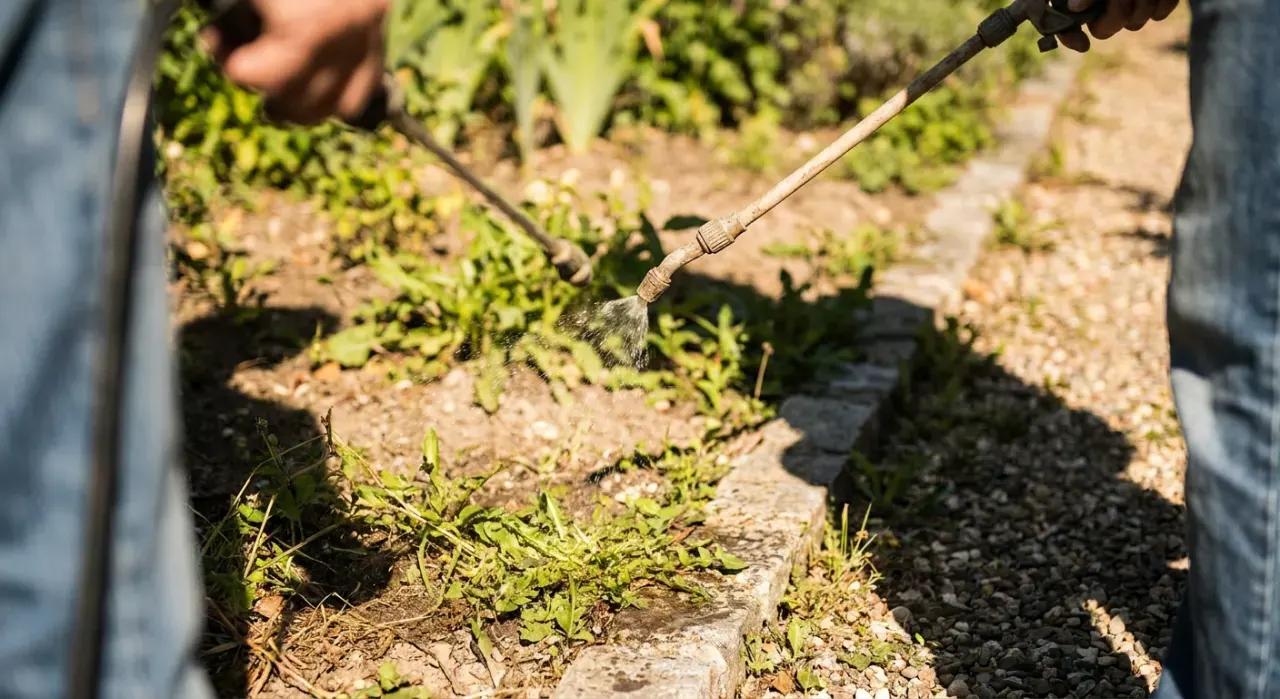
The sprayer is the single biggest source of one-star reviews. The trigger and wand assembly on gallon jugs draws consistent complaints: triggers that stiffen and fail partway through the jug, wands that leak at the joint and drip product onto shoes and lawn, and units that arrive already leaking after shipping. The chemistry is fine; the delivery mechanism is where the product loses its stars.
Coverage per gallon is small. A gallon sounds like a lot until you are walking a lawn. Owners routinely report emptying a jug on a fraction of the yard, then doing the math and realizing a concentrate would have treated ten times the area for the same money. Buying ready-to-use for whole-lawn work is the most expensive decision in this category.
Grass damage on the wrong turf or in the wrong weather. Southern lawn owners who sprayed this on St. Augustine or centipede report exactly what the label warns: dead patches. Cool-season owners who sprayed in a heat wave report yellowing. Both are avoidable and both are common, which tells you how often the label restrictions go unread.
Mature crabgrass survives. By late summer a crabgrass plant has tillered into a wide clump, and post-emergent control at that stage is unreliable at any label rate. Owners who wait until August are frequently disappointed. Crabgrass is a pre-emergent problem, solved in spring, not a July spray problem.
Repeat applications needed. Tough perennials — wild violet, ground ivy, nutsedge — often need a second or third treatment, and nutsedge in particular is not controlled by this chemistry at all. Owners expecting one pass to clear everything are disappointed by design.
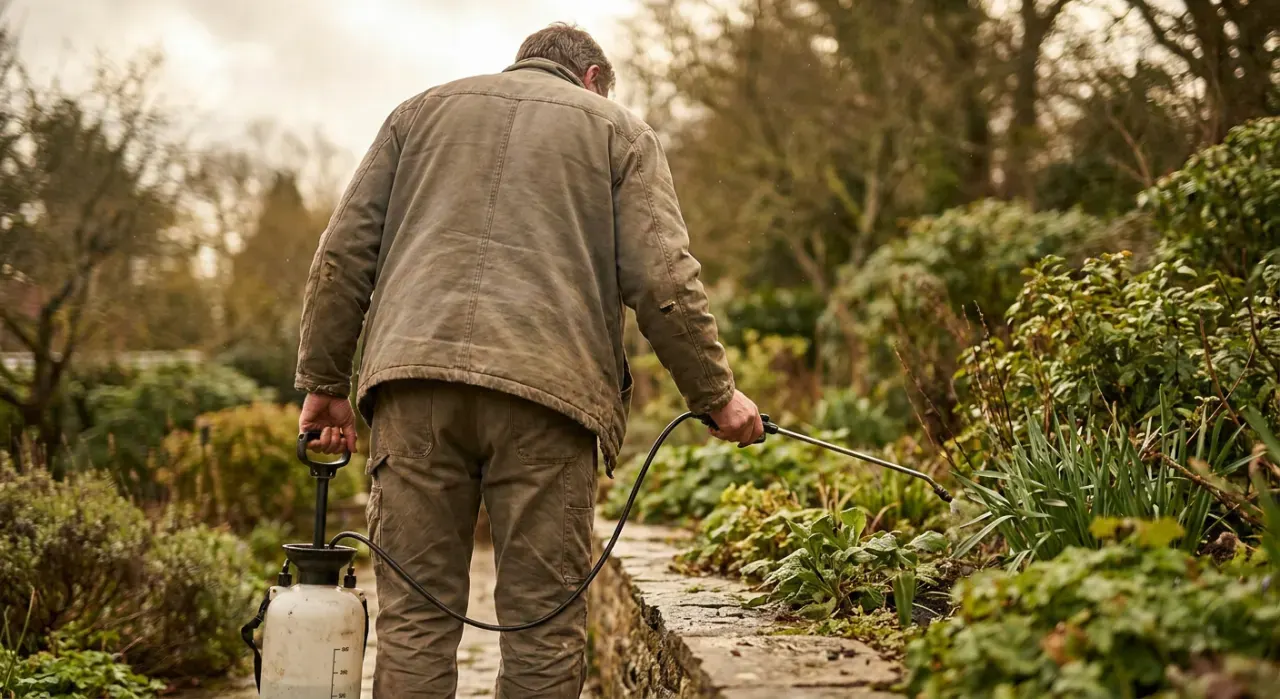
Off-target drift. These actives move on a breeze and will damage tomatoes, roses and ornamentals downwind, and volatilize in high heat. Several complaints about damaged garden beds trace to spraying on a windy afternoon.
How to get the most out of it
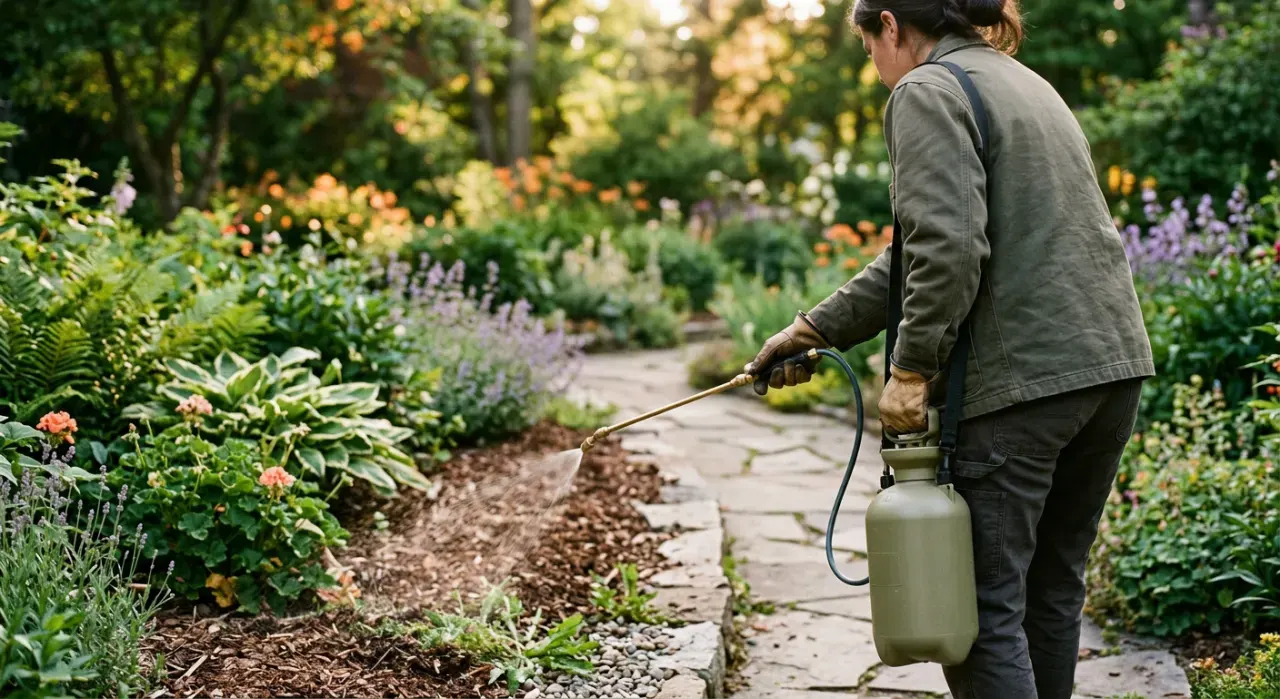
The gap between a five-star and a one-star outcome with this product is almost entirely application. Spray on a dry, calm morning with temperatures in the 60s or 70s Fahrenheit and no rain forecast for the rest of the day. Treat weeds while they are small and actively growing — spring and early fall, not the middle of a drought. Wet the leaf surface thoroughly without soaking it to the point of runoff, because the herbicide works through foliage and anything that reaches the soil is wasted. Do not mow for a few days either side: mowing first removes the leaf area the spray needs, and mowing after removes treated tissue before it has moved through the plant. Then wait. Broadleaf weeds take one to three weeks to die properly, and respraying an already-dying weed in week one is the most common way people waste half a jug.
Who it suits — and who should buy something else
Buy it if you have scattered broadleaf weeds and some young crabgrass in a cool-season lawn, you want to spray them this weekend, and you have no interest in owning a sprayer.
Buy something else if you are treating a whole lawn — a concentrate in a pump sprayer is dramatically cheaper per square foot, and the field is ranked in best weed killers for lawns. If your lawn is St. Augustine or centipede, you need the southern formula, not this one. If the real enemy is crabgrass, the answer is prevention: read when to apply pre-emergent and see best pre-emergent herbicides. And if you would rather not use synthetic chemistry at all, killing weeds without chemicals sets out what actually works.
Specifications
| Spec | Spectracide Weed Stop For Lawns Plus Crabgrass Killer |
|---|---|
| Form | Ready-to-use liquid, 1 gallon with wand |
| Chemistry | Four-way: broadleaf actives plus quinclorac for grassy weeds |
| Weeds listed | More than 470 types |
| Safe on | Most cool-season lawn grasses; check label for warm-season |
| Not for | St. Augustine, Floratam, centipede, dichondra, carpetgrass |
| Visible results | Typically 1 to 2 days, full kill 1 to 3 weeks |
| Rainproof | Within hours once dry on the leaf |
| Temperature limit | Avoid above roughly 85-90°F or on drought-stressed turf |
| Reseeding | Wait the label interval, commonly around 4 weeks |
| Best use | Spot treatment, not whole-lawn coverage |
How we reached this verdict
We never buy, apply or physically handle the products on this site. This assessment is built from the aggregated owner-review record — star distribution, the specific content of the one- and two-star reviews, and what owners report the following season — read against the EPA-registered label, the active ingredient profiles and land-grant extension guidance on post-emergent weed control. For herbicides we weight what the label actually permits, cost per treated square foot, how forgiving the application window is, and the realistic risk to desirable plants. Full method on how we rank.
More from this hub: Pest & Weed Control · Best weed killers for lawns · Preen Garden Weed Preventer review · Best temperature to spray weed killer · How we rank
Check price on Amazon → (paid link)