 Garden


Affiliate Disclosure
Some links on this page are affiliate links. As an Amazon Associate, we earn from qualifying purchases — at no extra cost to you. We do not buy, test, or physically handle the products we cover; our rankings come from aggregated owner reviews, ratings and expert consensus. Commissions never change our verdicts. How we rank · full disclosure.
It depends entirely on which product you have. Preventive grub control goes down before or during egg-laying — broadly late spring through midsummer, often June to mid-July in much of the US — because it needs to be in the soil when eggs hatch. Curative grub control treats larvae already feeding, in late summer to early fall, roughly August into September. The two are not interchangeable, and applying the wrong one at the wrong time is the main reason grub treatments fail. Many lawns do not need annual treatment at all.
Why does the right month depend on the product?
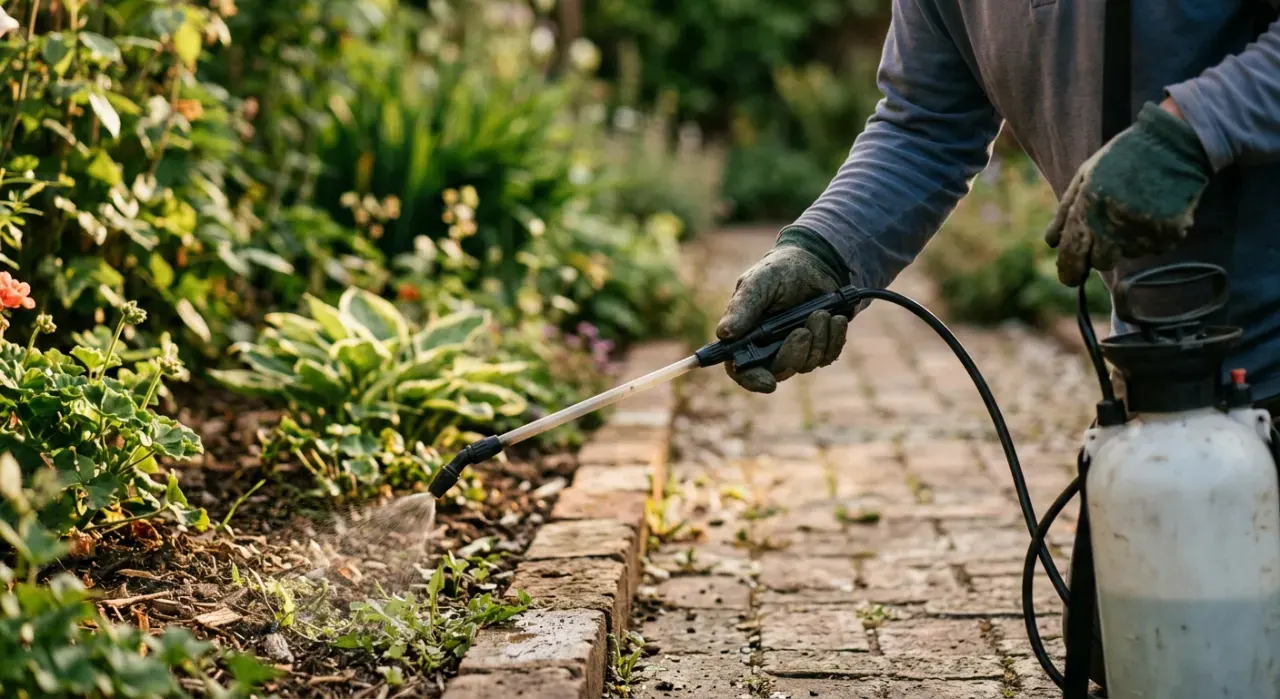
Grub control splits into two categories that work on different insects at different life stages. Preventive products contain long-lived actives — chlorantraniliprole, imidacloprid, clothianidin, thiamethoxam — that stay in the soil and kill the tiny, newly hatched larvae as they start feeding on roots. Because they target the youngest grubs, they have to be down before the eggs hatch. Curative products — trichlorfon, carbaryl — are fast-acting knockdown insecticides used on grubs that are already present and feeding. They work best on small larvae near the surface and lose their grip once grubs grow large or move deeper as the soil cools. So the calendar follows the chemistry.
What is the timing for each?
| Type | Actives | When to apply | Targets |
|---|---|---|---|
| Preventive | chlorantraniliprole, imidacloprid, clothianidin, thiamethoxam | Late spring to midsummer (before hatch) | Very young larvae |
| Curative | trichlorfon, carbaryl | Late summer to early fall | Grubs already feeding, small |
Regional differences are real — the further north you are, the later the hatch and the later everything shifts — so treat these as broad windows and confirm the exact dates with your state extension office, which tracks beetle flight and egg-laying locally.
What makes the difference between success and failure?
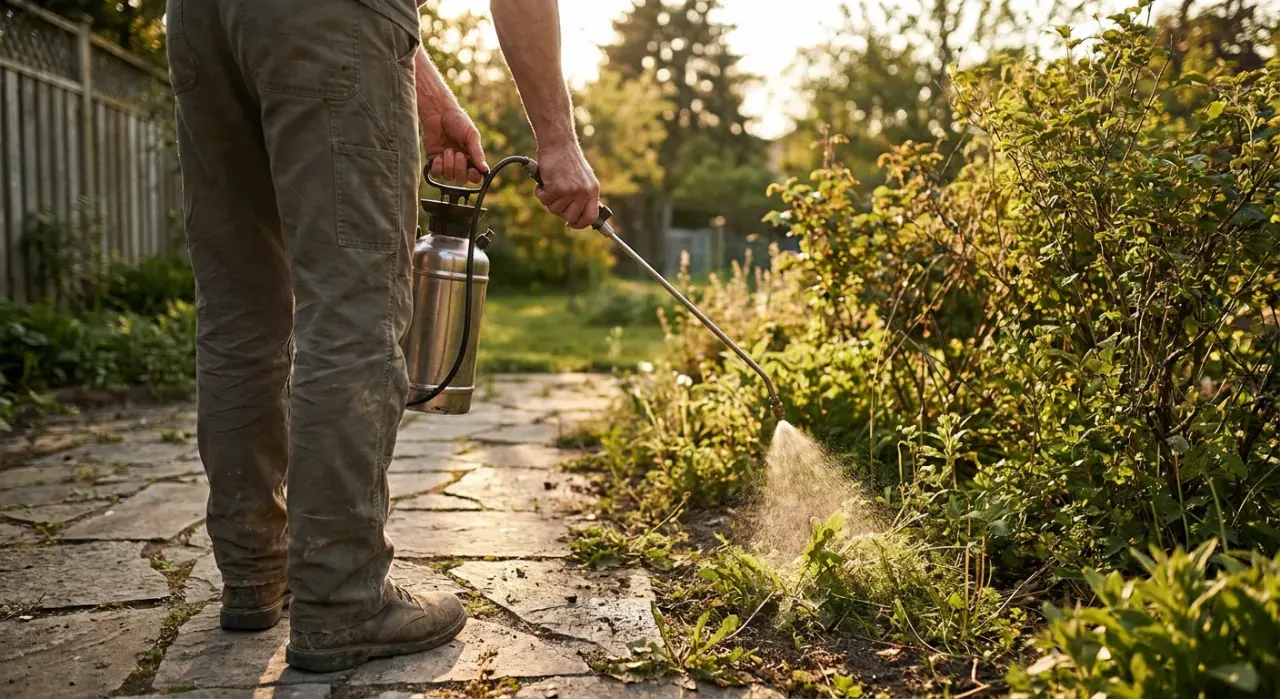
Two things beyond timing. First, chlorantraniliprole needs the earliest application of the preventive group because it translocates into the soil slowly and has to be in place well ahead of hatch. Second, and universal: every grub product must be watered in. Most labels call for about half an inch of irrigation immediately after application to carry the active down to the root zone where grubs feed. An unwatered application sits on the thatch and largely fails, and that — not the product — is often what people mistake for a bad batch.
Do you actually need to treat?
Often not. Preventive grub products are among the most over-applied lawn treatments in America, and a vigorous, well-watered lawn shrugs off a moderate grub load without visible damage. Rather than treating every year out of habit, monitor. In late summer, cut and peel back a square foot of sod and count the white C-shaped larvae; the commonly cited action threshold is around five to ten per square foot, and healthy turf tolerates the lower end easily. Treat only when the count and the lawn’s condition together justify it. That approach keeps insecticide out of the yard when it is not needed.
Where to go next
For the full diagnostic — the tug test, the square-foot count and what brown patches usually turn out to be — see how to get rid of grubs. To choose a product, best insect killer for yards ranks the options across grubs and other yard pests. If pets use the lawn, weed and pest product pet safety is worth a read. Everything sits under the pest and weed control hub.
We never buy, apply or physically handle the products we rank — recommendations come from aggregated owner reviews and expert consensus, and the method is on how we rank. Follow the product label and check your local extension service for regional timing.