 Garden
Affiliate Disclosure
Some links on this page are affiliate links. As an Amazon Associate, we earn from qualifying purchases — at no extra cost to you. We do not buy, test, or physically handle the products we cover; our rankings come from aggregated owner reviews, ratings and expert consensus. Commissions never change our verdicts. How we rank · full disclosure.
Bypass loppers cut like scissors — a sharp curved blade slices past a curved hook for a clean cut on living wood. Anvil loppers close a straight blade onto a flat plate, crushing through the branch, which suits dead, dry wood. Choose bypass for any live pruning where you want the plant to heal cleanly — this is what most gardeners need most of the time. Choose anvil for cutting deadwood and cleanup, where raw force matters and there is no living tissue to bruise.
What's the difference?
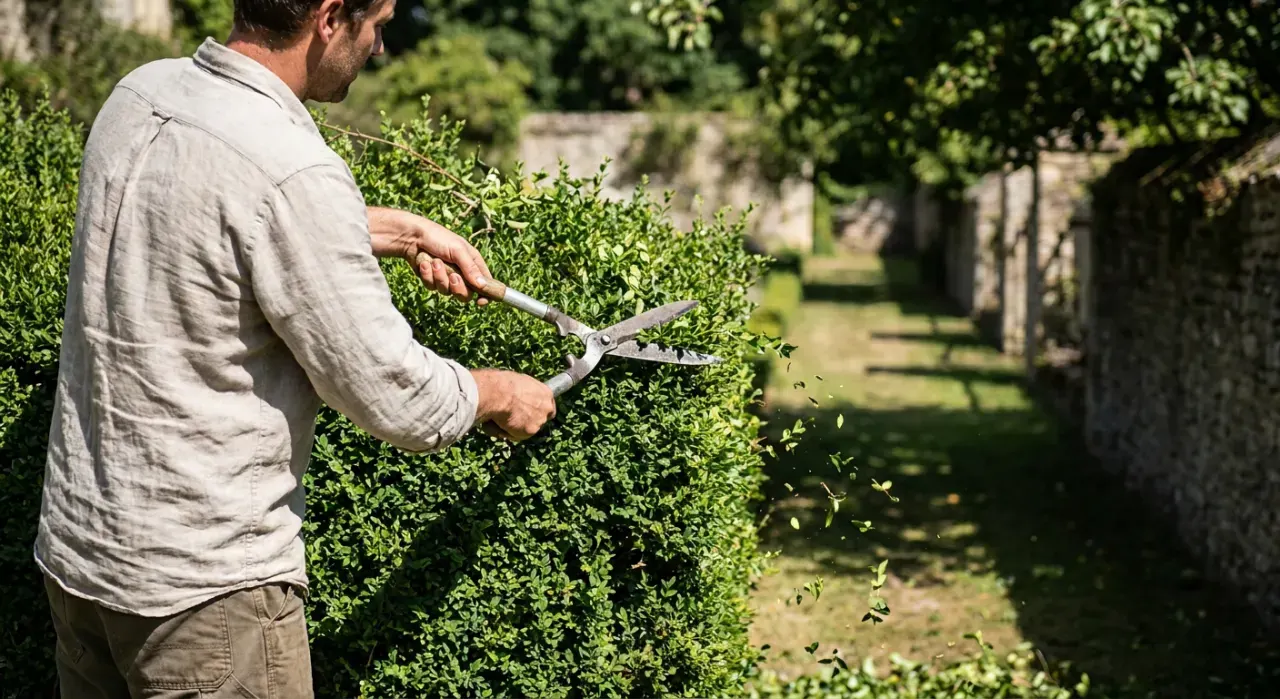
The difference is how the cut is made. Bypass loppers use two curved parts that pass each other like shears — the sharpened blade sweeps past a supporting hook, slicing the stem cleanly. Anvil loppers use one straight blade that comes down onto a flat anvil, so the wood is pinched and crushed until it severs. That mechanical difference decides everything: bypass gives a smooth, precise cut that living plants recover from, while anvil trades cut quality for crushing power that shines on hard deadwood but bruises anything green.
Bypass vs anvil loppers at a glance
| Bypass | Anvil | |
|---|---|---|
| Cutting action | Blade slices past a hook (scissor) | Blade crushes onto a flat anvil |
| Cut quality | Clean, precise | Crushing, can be ragged |
| Best on | Live green wood | Dead, dry wood |
| Effect on plant | Heals quickly, seals well | Bruises live stems |
| Reach into growth | Good — cut close to the stem | Blunter — harder to get close |
| Force on hard deadwood | Moderate | High |
| Sharpening | Bevel edge only | Both sides of the blade |
| Best for | Everyday live pruning | Deadwood, cleanup, tough old wood |
Which is better for pruning live plants?
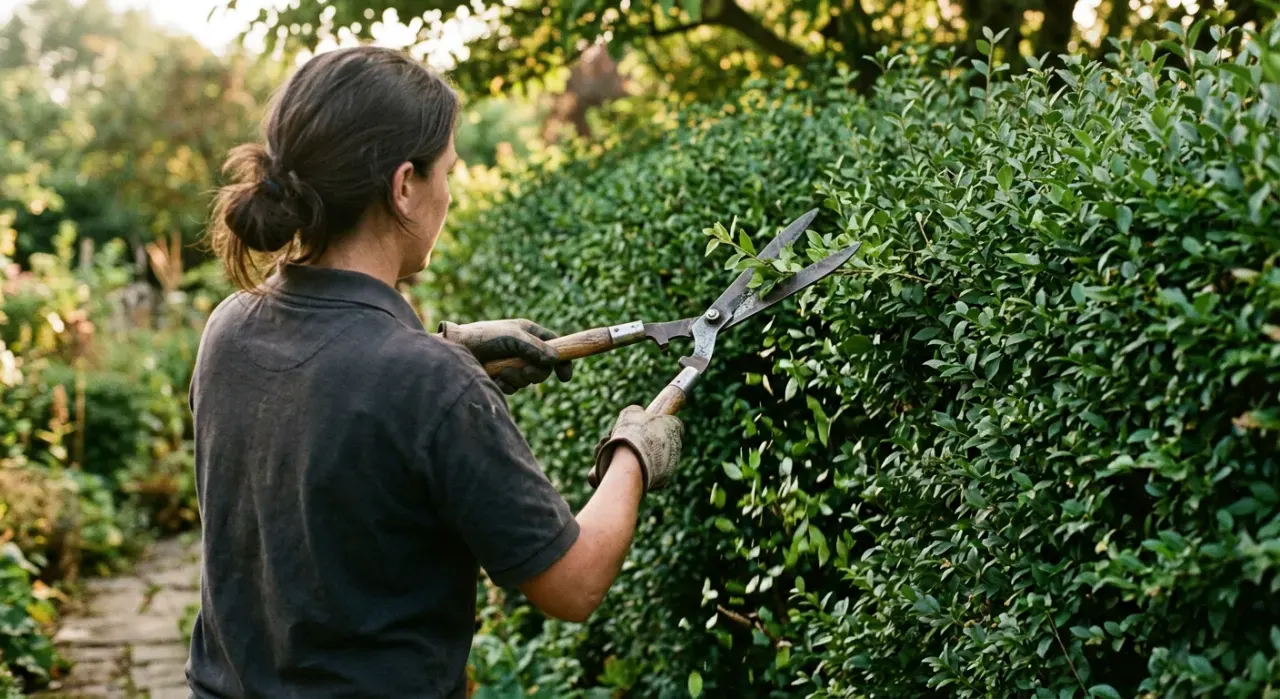
Bypass, and it is the tool most gardeners should reach for most of the time. Slicing cleanly through a living stem leaves a smooth wound that seals over quickly and does not tear the bark, which protects the plant from disease and helps it recover. It also lets you cut close to a bud or branch collar without mashing the surrounding tissue. An anvil lopper on the same green branch crushes and bruises it, leaving a ragged, slow-healing cut. For roses, shrubs, fruit trees and anything you want to thrive after the cut, bypass is the right choice. See our best loppers roundup for the models the owner-review consensus supports.
When does anvil win?
On dead, dry and hard wood. Once a branch is no longer living, there is no tissue to bruise, and the anvil's crushing action powers through tough old wood with less effort than a bypass blade, which can struggle or bind on dense deadwood. Anvil loppers are also handy for chopping prunings down for disposal, where cut quality is irrelevant. Many gardeners keep both types: bypass for all the live pruning and an anvil pair for deadwood and cleanup. Just remember that whatever the mechanism, once a branch tops roughly 1.5 to 2 inches you should move to a pruning saw rather than forcing the loppers.
Which should you buy?
Buy bypass loppers if you can own only one pair — they handle the everyday live pruning that makes up most garden work, and they keep your plants healthy with clean cuts. Add anvil loppers if you regularly clear deadwood or want a dedicated tool for tough, dry branches and cutting up debris. Whichever you choose, cutting capacity and a sharp blade matter more than the badge on the handle, and anything beyond the rating belongs to a saw. Our picks come from aggregated owner reviews and expert consensus rather than first-hand testing — see how we rank.
Where to go next
Compare specific models in our best loppers roundup, and for branches too thick for loppers see best pruning saws. Related reading: heading vs thinning cuts and common pruning mistakes. The same bypass-versus-anvil logic applies to hand pruners: bypass vs anvil pruners. All under the pruning, trimming and hedges hub.