 Garden

Affiliate Disclosure
Some links on this page are affiliate links. As an Amazon Associate, we earn from qualifying purchases — at no extra cost to you. We do not buy, test, or physically handle the products we cover; our rankings come from aggregated owner reviews, ratings and expert consensus. Commissions never change our verdicts. How we rank · full disclosure.
The short answer: prune most fruit trees in late winter to early spring — generally February through early April in the U.S., with March a common sweet spot — while the tree is still dormant but the coldest weather has passed and before the buds break. Dormant pruning lets you see the tree's structure clearly, lowers disease risk, and directs the spring surge of energy into the branches you keep. Exact timing shifts with your climate: colder regions prune later, milder regions can start earlier.
Stone fruits are the main exception and are often pruned in summer instead. We do not grow test orchards; our tool rankings come from aggregated owner reviews and expert consensus, described in how we rank. The full seasonal guide is at the pruning and hedges hub.
What month by climate zone?
Latitude and USDA zone move the window by a month or more. The goal is the same everywhere: prune after the risk of severe cold but before spring growth begins.
| Climate | USDA zones | Prune |
|---|---|---|
| Mild / southern | 7 to 9 | January to February |
| Moderate | 5 to 6 | February to March |
| Cold / northern | 3 to 4 | Late March to April |
The reliable cue in any zone is bud swell: prune before the buds visibly fatten and open. Pruning a few weeks before the average last frost is generally safe, while pruning in the depth of midwinter cold risks damage at the cuts.
Why is dormant late-winter pruning best?
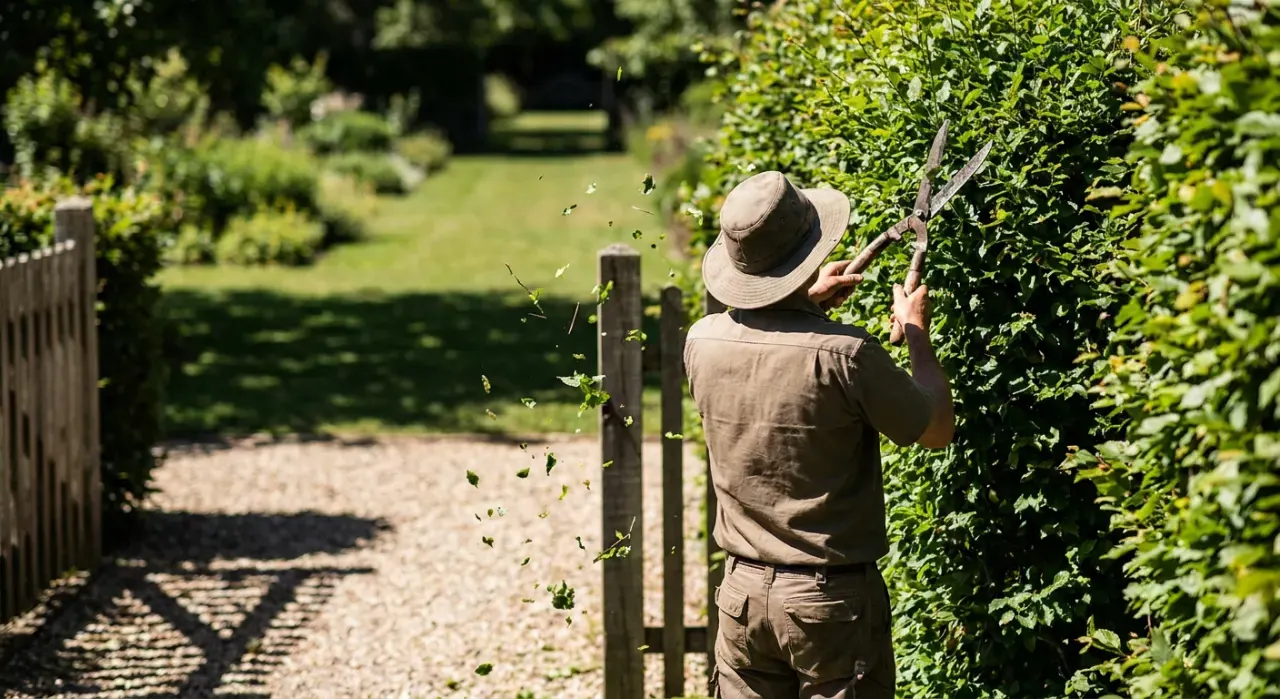
Pruning while the tree is leafless and dormant has three advantages that extension orchard programs consistently cite. You can read the branch structure without leaves in the way, making it easy to see crossing, crowded and weak wood. Disease and insect pressure is at its lowest in cold weather, so open cuts are less likely to be infected than in the growing season. And because the tree's energy is stored in the roots and trunk over winter, that reserve pushes strong new growth into the branches you leave when spring arrives. Dormant pruning is therefore invigorating, which is what you want when shaping a young tree — the technique carries over from how to prune shrubs.
Which fruit trees are pruned differently?
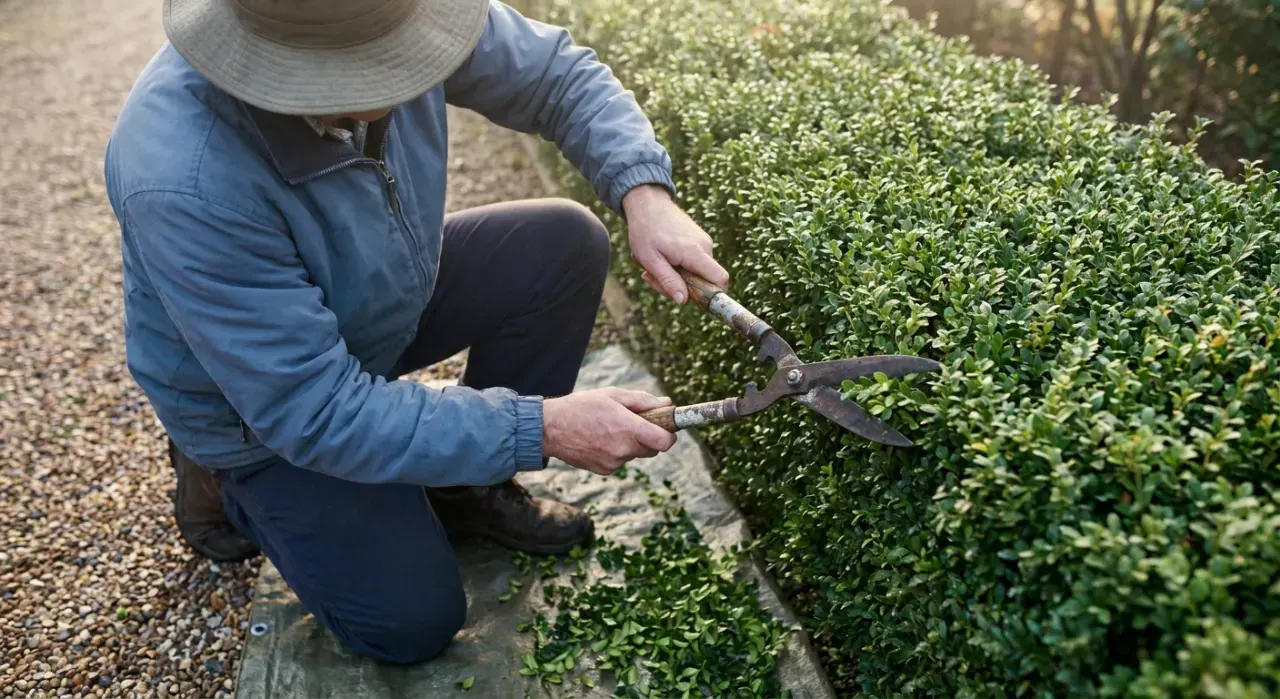
Stone fruits break the late-winter rule. Cherries, plums, apricots and peaches are prone to silver leaf and bacterial canker, fungal and bacterial diseases that spread in cool, wet conditions, so many growers prune them in summer or early fall when the weather is dry and infection risk is lower. Apples, pears and quince follow the standard late-winter dormant timing. Whatever the type, a light summer touch-up — removing vertical water sprouts and thinning the canopy for light — helps fruit ripen without triggering the heavy regrowth a big summer cut would cause. That is the difference between growth-slowing and growth-stimulating cuts explained in heading vs thinning cuts.
What should you avoid?
- Fall pruning for pome fruits — wounds heal slowly and invite winter damage.
- Pruning in deep midwinter cold right before a hard freeze.
- Pruning stone fruit in wet weather, which spreads canker and silver leaf.
- Late-spring cuts after growth starts, which waste energy and can cut the crop.
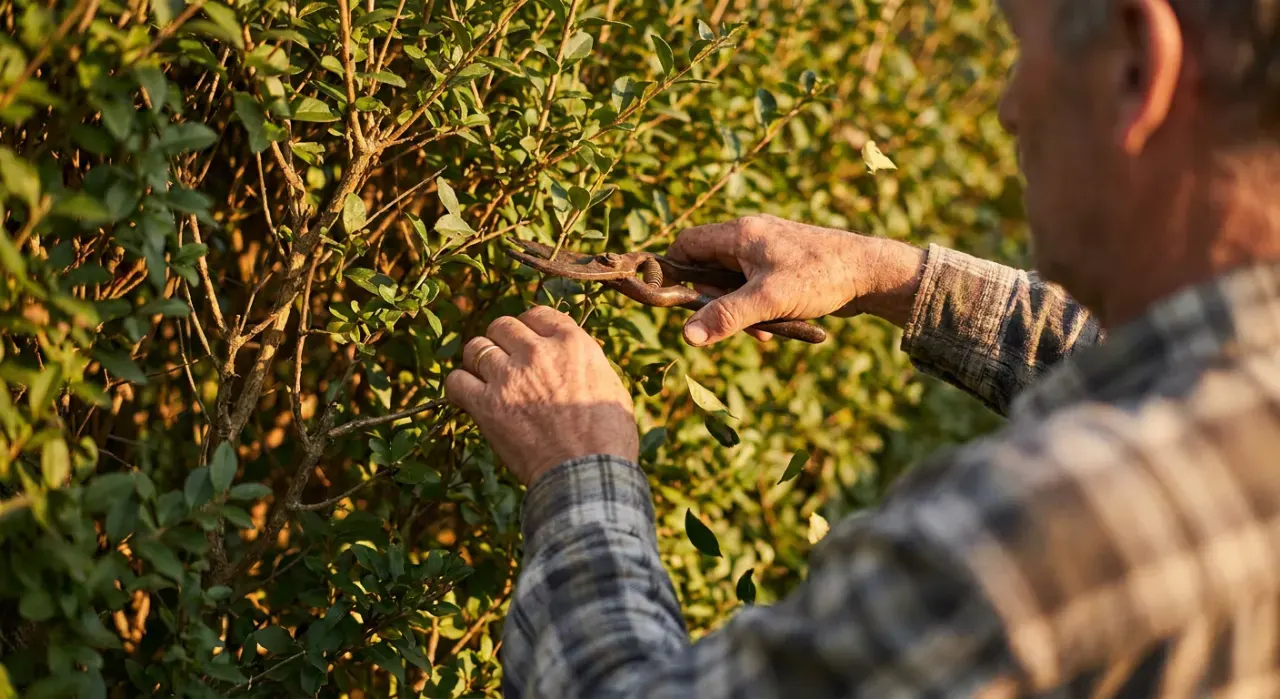
- Dull or dirty blades — sharpen and clean tools between trees, as covered in common pruning mistakes.
For most home orchards the plan is simple: prune apples and pears in late winter, prune stone fruits in dry summer weather, and always cut before the buds break. Related questions: when not to prune roses, when to prune hydrangeas, and the right saws in best pruning saws and best pole saws.